Choosing a high performance AI server manufacturer is crucial for businesses today. The global AI server market was valued at approximately $4.5 billion in 2022 and is projected to exceed $20 billion by 2028. This rapid growth underlines the importance of selecting a reliable and efficient server provider. High performance AI servers are essential for processing vast datasets efficiently and supporting intricate machine learning models.
When evaluating manufacturers, consider their expertise and track record. Long-standing companies often have the experience needed to navigate the complexities of AI technology. A recent report from Gartner suggests that organizations that invest in high-quality AI infrastructure experience a 40% reduction in model training times. Therefore, partnering with a reputable manufacturer can significantly enhance operational efficiency and innovation.
It's important to assess various aspects before making a decision. Look into customer reviews, technical support, and warranty services. Many companies fall short in these areas, which can lead to unexpected challenges. Balancing cost with performance is a common struggle. A thorough examination of potential manufacturers will yield a more informed choice in this evolving landscape.
Identifying Key Specifications for AI Servers
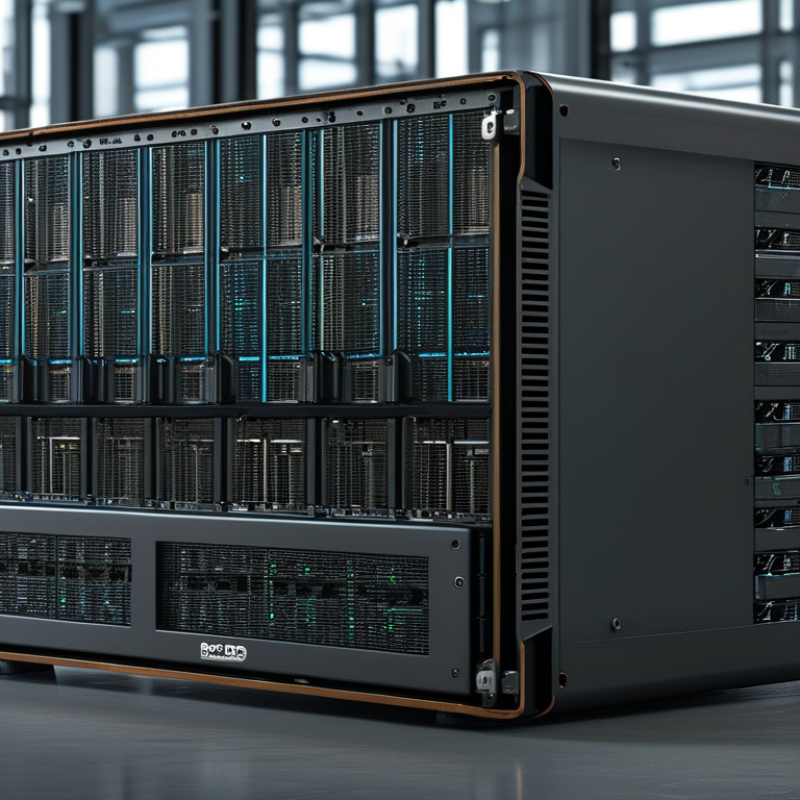
When selecting an AI server, focusing on key specifications is vital. These specifications determine performance, scalability, and efficiency. Start by evaluating the GPU capabilities. High-performance GPUs are crucial for AI workloads. They accelerate deep learning tasks and enhance data processing speed. Look for servers that support the latest GPU architectures. This is essential for maximizing performance.
Next, consider the CPU specifications. AI servers often need powerful CPUs to handle multiple instructions simultaneously. A multi-core processor can improve parallel processing capabilities. RAM is another critical element. Insufficient memory can bottleneck AI applications. Aim for at least 32GB of RAM, but more is better for larger datasets.
Storage solutions matter too. Solid-state drives (SSDs) provide faster access to data, which is vital for AI applications. Evaluate the server's storage capacity and expansion options. This ensures you can scale as your needs grow. Connectivity features should not be overlooked. High bandwidth and low latency connections are essential for data transfers in real-time applications. Each component plays a role in the overall performance, and careful consideration will lead to a more efficient server setup.
How to Choose a High Performance AI Server Manufacturer? - Identifying Key Specifications for AI Servers
| Specification |
Description |
Importance |
Example Values |
| CPU |
Central processing unit performance |
Critical for data processing speed |
16-64 cores |
| GPU |
Graphics processing unit capabilities |
Essential for deep learning tasks |
NVIDIA A100, V100 |
| RAM |
Memory for data handling |
Higher RAM facilitates larger datasets |
128-512 GB |
| Storage Type |
Type of storage used |
Impacts data retrieval speed |
NVMe SSD, SAS SSD |
| Network Interface |
Speed of network connectivity |
Crucial for cloud computing |
10 GbE, 25 GbE |
| Power Supply |
Efficiency and reliability of power supply |
Ensures stable performance |
Redundant configurations |
Evaluating Manufacturer Experience and Reputation
When selecting a high-performance AI server manufacturer, evaluating their experience is crucial. Research shows that companies with over a decade in the industry are often more reliable. According to a recent industry report, manufacturers with extensive experience account for 75% of successful AI deployments. Experience translates to knowledge in optimizing hardware and software configurations for AI workloads.
Reputation plays a significant role in choosing a manufacturer. A strong reputation can indicate reliability and quality. Feedback from clients and third-party reviews can reveal a manufacturer's consistency in delivering solutions. Data from the IT services market indicates that organizations favor manufacturers with a positive track record, noting that 68% prioritize vendor reputation during decision-making. However, biases exist; not all well-reviewed manufacturers may meet specific needs. It's vital to consider niche expertise.
The landscape is ever-changing. New players emerge, providing innovative solutions that experienced manufacturers might overlook. The balance between established expertise and fresh perspectives is essential. Potential buyers should also examine partnerships and collaborations the manufacturers maintain. These can reflect their capability to adapt and evolve with technology trends.
Comparing Performance Metrics and Benchmark Results
When selecting a high-performance AI server manufacturer, performance metrics matter greatly. Key factors include processing speed, memory capacity, and storage solutions. Benchmark results from reputable sources provide insights into these areas. They help you identify servers that can handle extensive AI workloads effectively.
Look at how the servers perform under stress tests. This information is crucial. Many manufacturers share these metrics, but the transparency of their testing methods varies. Some might inflate numbers for marketing, which raises questions about reliability. Real-world performance coupled with user feedback can offer a more accurate picture.
Additionally, consider energy efficiency and thermal management. An efficient server can reduce operational costs and extend hardware lifespan. Examine cooling systems and energy consumption data. Alternative metrics like price-to-performance ratio also aid in making an informed decision. Identify the strengths and weaknesses of different servers to find the right balance for your needs.
Performance Comparison of High-Performance AI Servers
Assessing Customer Support and Warranty Options
When evaluating AI server manufacturers, customer support and warranty options are crucial factors. A high-performance AI server operates under complex conditions. Issues may arise that require immediate attention. According to a recent industry report, 72% of IT managers rank customer support as a top priority when choosing a vendor. This indicates the need for responsive assistance.
A robust warranty also reflects the manufacturer’s confidence in their product. A survey showed that 65% of companies prefer warranties of at least three years. During this period, hardware failures can occur. Understanding the warranty terms can prevent unexpected costs.
Additionally, evaluate the support channels available. Some manufacturers offer only email support, which may strain response times. In contrast, those providing 24/7 phone support often perform better. Consider these aspects critically, as they truly influence your operational efficiency.
Another point to consider is localized support. If your organization is global, having support in different regions can be vital. Language barriers can lead to miscommunication. Therefore, opting for manufacturers that offer multilingual support can enhance overall satisfaction. However, support alone cannot ensure a smooth experience. Frequent updates and proactive communication are equally important. Striking the right balance between support services and product reliability could make the difference in your AI projects.
Exploring Customization and Scalability Features
When selecting a high-performance AI server manufacturer, customization and scalability features are crucial. Customization allows businesses to tailor their servers to meet specific needs. This can include hardware selection, cooling options, and software configurations. A well-rounded solution caters to various workloads and applications. Customization can enhance efficiency and performance, making the server an integral part of the AI ecosystem.
Scalability, on the other hand, ensures that the server can grow with the organization. As data demands increase, a scalable solution should easily adapt. This means supporting additional processors, memory, and storage. A manufacturer that excels in scalability can save costs in the long run. However, it’s essential to examine whether proposed scalability meets real-world application needs.
It’s also vital to assess whether the manufacturer provides ongoing support. Reliable customer service can mitigate future challenges. Sometimes, companies choose based on flashy specifications without understanding long-term implications. Reflecting on these aspects can lead to smarter decision-making. Balancing customization and scalability while ensuring support creates a holistic approach in choosing the right AI server manufacturer.
FAQS
A strong reputation indicates reliability and quality. Many organizations prioritize vendor reputation when selecting a manufacturer.
Not necessarily. Bias can affect reviews, and specialized needs may not align with a manufacturer’s strengths.
Key metrics include processing speed, memory capacity, and storage solutions, which are vital for handling AI workloads.
It reveals how servers handle demanding scenarios. Transparency in testing methods affects the reliability of performance claims.
Efficient servers can lower costs and extend lifespan. Evaluating cooling systems and energy consumption is important.
Benchmark results provide insights into server performance. They help compare different models effectively.
Not always. New manufacturers may offer innovative solutions that established ones overlook. Balance is key.
Look for a mix of real-world performance and user feedback. Identify strengths and weaknesses in your options.
Partnerships can indicate a manufacturer's ability to adapt to technology trends. They may reveal innovative capabilities.
Conclusion
When selecting a high performance AI server manufacturer, it is essential to first identify the key specifications that meet your specific AI computing needs, such as GPU capabilities and memory requirements. Evaluating the manufacturer's experience and reputation can offer insights into their reliability and quality, while comparing performance metrics and benchmark results ensures you are choosing a server that delivers optimal processing power.
Additionally, assessing customer support and warranty options is crucial, as responsive support can save significant time and resources in the long run. Lastly, exploring customization and scalability features enables you to adapt the AI server to future demands, ensuring long-term viability and performance. By considering these factors, you can make an informed decision when selecting a high performance AI server manufacturer that aligns with your organizational goals.

 Nexus AI Server