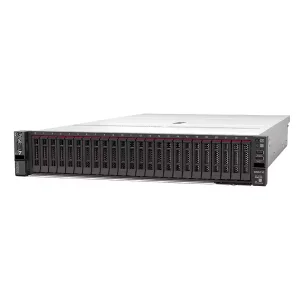
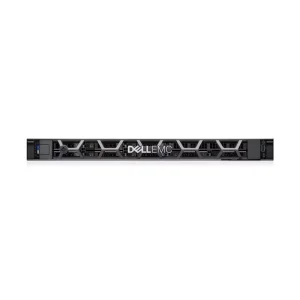
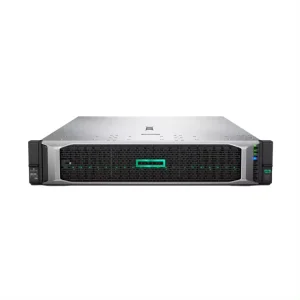
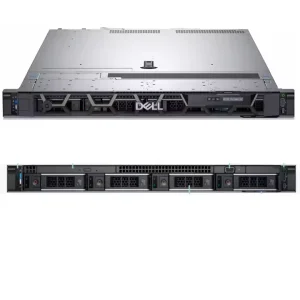
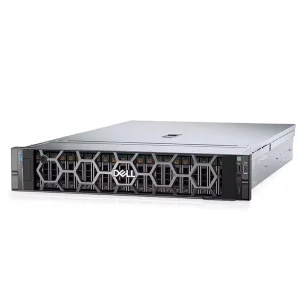
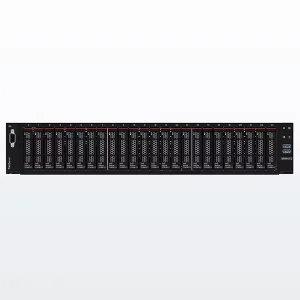
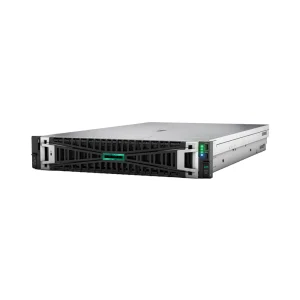
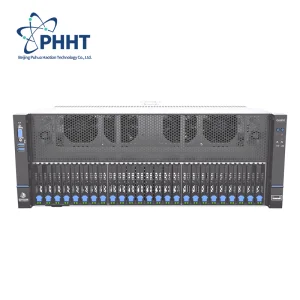
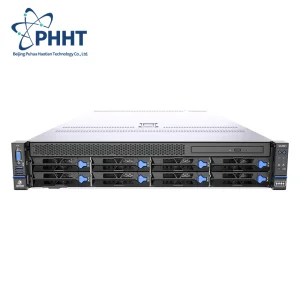
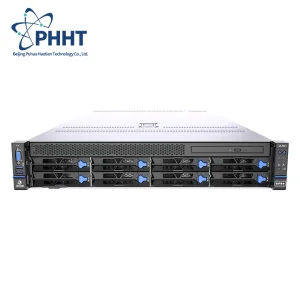
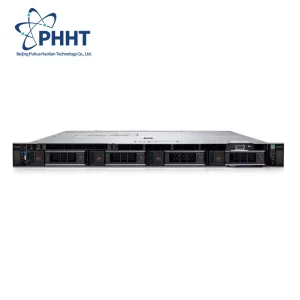
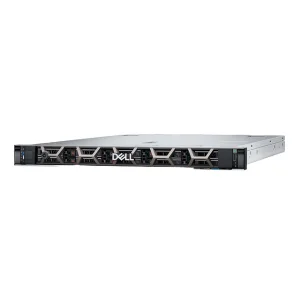
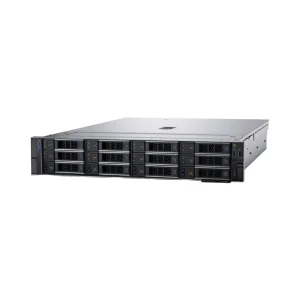
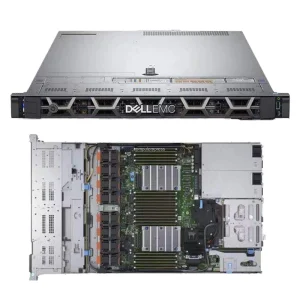
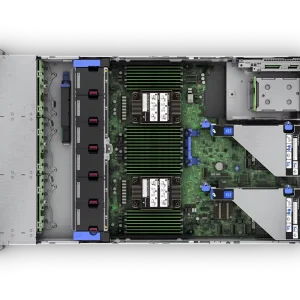
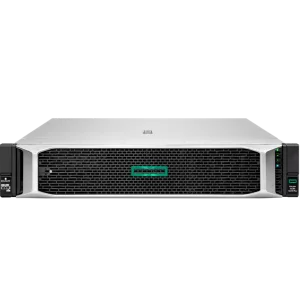
High-performance computational infrastructure for AI training, deep learning virtualization, and scalable data center storage.
In the era of hyper-scale computing, the global enterprise landscape is experiencing a foundational paradigm shift. The integration of large language models (LLMs)—such as the emerging DeepSeek optimization models, generative artificial intelligence, complex virtualization architectures (like VMware and Proxmox VE), and distributed big data databases—demands hardware platforms capable of unprecedented data processing capacity and low latency. Standard computing architectures are no longer sufficient; enterprise-level rack servers optimized for massive scalability, high-density NVMe storage interfaces, and high-tdp GPU host boards have become the bedrock of modernized digital economies.
Modern rack servers (ranging from space-efficient 1U and 2U nodes up to high-expansion 4U structures) are designed to maximize compute density per rack unit. System integrators and global IT procurement managers must balance thermal dissipation parameters against processing headroom. With processors such as the 4th/5th Generation Intel® Xeon® Scalable family and the AMD EPYC™ 9004 series pushing TDP boundaries past 350W, modern chassis design requires meticulous planning. Airflows must be optimized through advanced structural baffles, and redundant Hot-Swap high-efficiency fans must adapt to dynamic workloads dynamically.
Furthermore, the transition from PCIe 4.0 to PCIe 5.0 interfaces doubles the data transfer lanes' bandwidth, allowing GPU accelerators to communicate with memory pools and high-speed storage without interconnect bottlenecking. When deploying enterprise systems for heavy data workloads—such as high-concurrency database queries, virtualization clusters, or deep learning inference nodes—integrated storage configurations with support for NVMe, SAS, and SATA backplanes offer the ultimate hybrid flexibility to bridge traditional archival needs with ultra-fast cache systems.
As one of the world's most robust electronics and structural component ecosystems, China's server manufacturing hub (centered in Shenzhen and Dongguan) provides unparalleled value to international buyers. Choosing an experienced Chinese rack server factory and exporter guarantees access to a vertically integrated supply chain, lowering procurement costs while maintaining strict manufacturing standards.
Unlike rigid off-the-shelf brand suppliers, Chinese factories specialize in custom-on-demand services. This includes custom hardware flashing (custom BIOS/IPMI firmware logo settings), unique storage backplane designs (supporting specific SAS/SATA/NVMe drive bay ratios), and specialized server chassis brackets designed to fit unique non-standard server cabinets.
By leveraging regional economies of scale, component sourcing pipelines, and domestic chip partnerships (such as Hygon Dhyana CPUs, local memory components, and domestic PCIe accelerators), buyers secure massive discounts on bulk quantities, enabling high ROI for enterprise rollouts.
Reputable manufacturing facilities implement 100% inspection rates on all output. Raw material traceability protocols ensure every capacitor, IC component, and chassis power distribution unit complies with CE, FCC, and RoHS guidelines, eliminating field failures prior to international logistics transit.
This local manufacturing capability bridges the gap between high-overhead Western tier-1 brands and budget-focused organizations. When procurement managers choose high-quality refurbished or customized OEM servers (like optimized systems featuring Intel Xeon or AMD EPYC setups), they gain top-tier computing power, certified components, and local engineering expertise at a fraction of the cost.
For enterprise architects planning systems with a 5-to-10-year operational lifecycle, keeping track of emerging hardware trends is vital. Modern server builds must prioritize thermal and power optimization, advanced networking throughput, and GPU compute capabilities:
Modern rack-mount infrastructure is deployed across a wide range of industry sectors, each requiring unique system configurations to optimize costs and meet operational demands:
High-density 1U and 2U dual-socket servers, configured with extensive RAM capacity (up to 4TB DDR5) and dual-port 10GbE/256GbE network interface cards (NICs), provide optimal virtual machine density for modern hypervisor environments.
Specialized GPU servers housing multi-card GPUs (such as RTX 4090 configurations or high-bandwidth enterprise GPUs) support low-latency local execution of large language models, image processing pipelines, and data analytics.
2U or 4U rackmount servers featuring hot-swappable drive bays (supporting up to 24 LFF drives or 2.5-inch SAS/SATA drives) act as reliable network-attached storage nodes for database backups and data retention compliance.
By matching specific server chassis sizes (1U, 2U, 4U) with specialized hardware options (like Intel Xeon Scalable processors, AMD EPYC CPUs, or regional domestic processor chips such as Hygon), global businesses can build cost-effective computing fleets tailored to their exact workload demands.
Importing rack servers from Chinese factories requires careful attention to technical compatibility, quality verification, and shipping procedures to ensure a smooth procurement process:
Established in 2003, our production facility features over two decades of experience in high-performance computing design, custom OEM integration, and global exporting. We provide highly specialized, custom-built hardware solutions for brand businesses, engineers, wholesale buyers, and custom enterprise deployments.
Our facility features specialized testing zones and custom hardware integration bays to ensure all exported servers meet international regulatory standards:
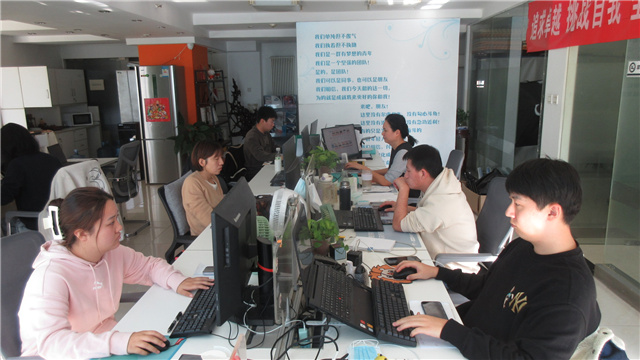
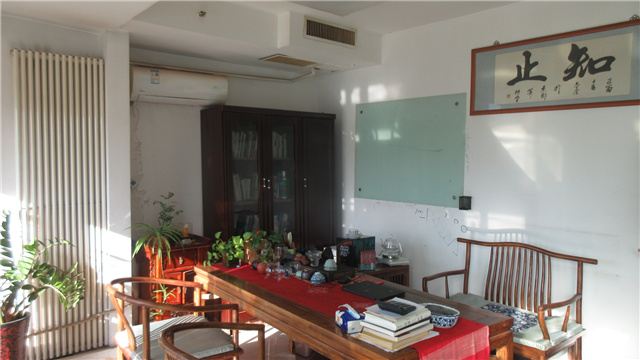
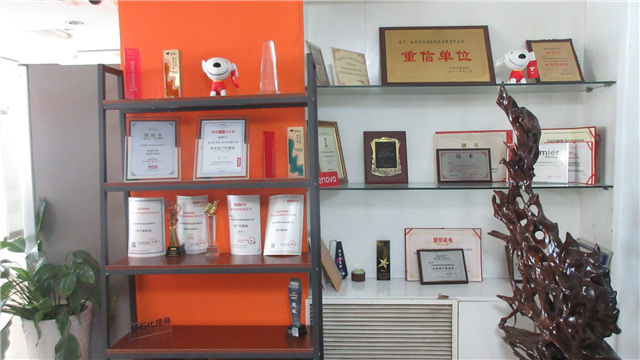
Reliable data center infrastructure, hybrid NAS storage nodes, and custom-on-demand computing setups.
 Nexus AI Server