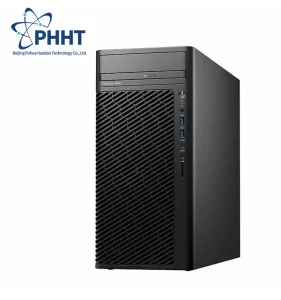
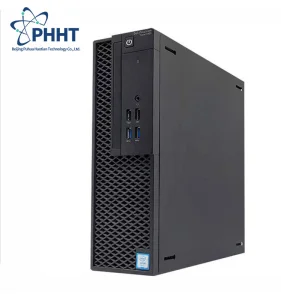
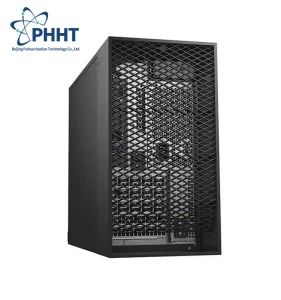
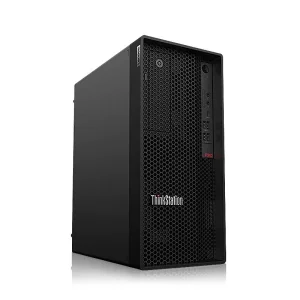
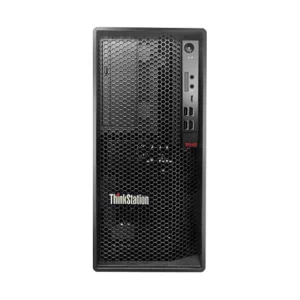
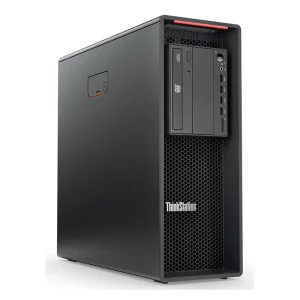
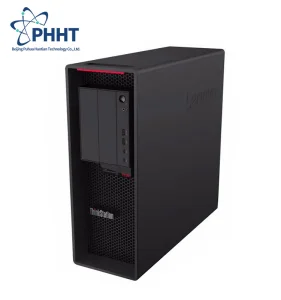
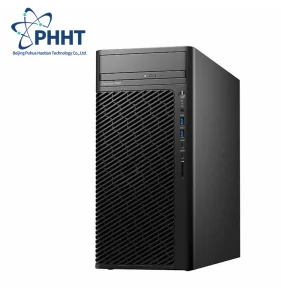
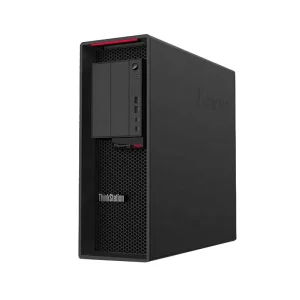
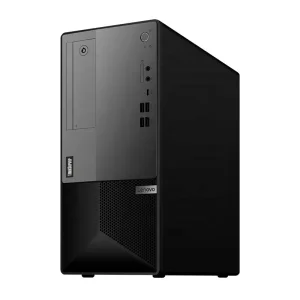
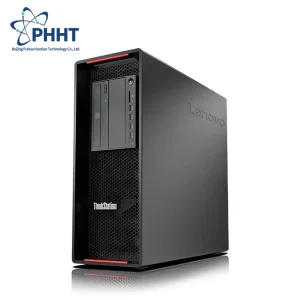
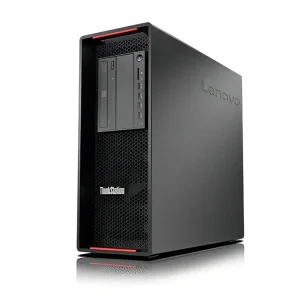
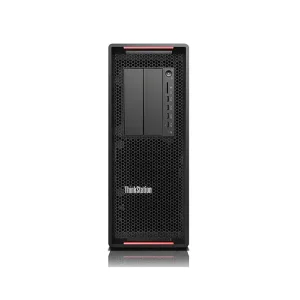
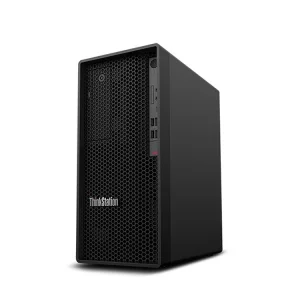
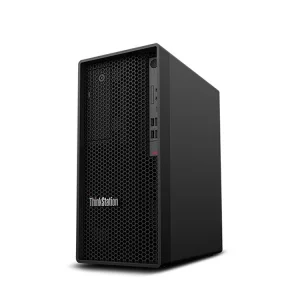
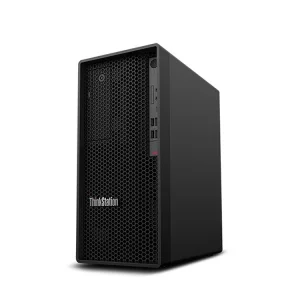
Explore our foundational range of customized towers and system designs optimized for compute density, system stability, and thermal efficiency.
In the contemporary digital economy, high-performance workstations are no longer simple office utilities; they are computational pillars powering complex workflows, generative artificial intelligence modeling, and intricate architectural designs. Strategic purchasing agents and Chief Technology Officers (CTOs) must dissect workstation hardware architecture parameters to guarantee maximum operational efficiency and long-term cost benefits. Modern workstation design principles emphasize robust system stability under prolonged stress, ECC (Error-Correcting Code) memory verification, multiple GPU expansion options, and reliable heat dissipation mechanisms.
Underlying Value & Information Gain: For enterprise IT infrastructure, raw CPU clock speed is secondary to sustaining computational workloads without thermal throttling. Professional workstations differ from commercial desktop PCs through thermal margin engineering, multi-channel memory support, and ISV (Independent Software Vendor) hardware certifications. When selecting a manufacturing partner, corporate buyers must analyze the MTBF (Mean Time Between Failures) metrics and component traceability protocols.
While consumer-grade desktop computers are built for burst-type workloads, professional enterprise workstations are architected to maintain 100% computational utilization for consecutive days or weeks. This reliability is built upon premium physical infrastructure, including multi-phase VRMs (Voltage Regulator Modules), military-grade solid capacitors, and thick PCB tracing layers. The utilization of Intel® Xeon® and AMD Ryzen™ Threadripper™ processors provides enterprise clients with vast arrays of PCIe lanes, allowing for simultaneous high-speed NVMe storage arrays, professional network interface cards, and multi-GPU arrays without data bottlenecking.
Support for multi-core Xeon and Threadripper configurations designed for sustained workloads and multi-threading rendering engines.
Vast array of high-bandwidth PCIe Gen4/Gen5 lanes to link high-speed NVMe storage cards and multiple GPUs without bottlenecks.
Pre-validated compatibility with industry-standard professional programs including Autodesk, SolidWorks, and Adobe Suite.
A persistent problem in heavy computational workloads is thermal throttling—the automated downclocking of the central processing unit to protect itself from excessive heat. As an experienced workstation manufacturer, we focus heavily on fluid dynamic simulations to construct optimized airflow paths. Large-diameter copper heat pipes, aluminum fin arrays with high-density spacing, and custom-tuned fan curves ensure that processors run at maximum boost frequencies without elevating workspace noise to disruptive decibel ranges.
Workstations serve as custom-tailored systems engineered to handle highly specialized software stacks. Different fields demand distinct system balance structures. For instance, deep learning neural networks require massive GPU VRAM allocation and high memory throughput, whereas computer-aided structural design (CAD) programs prioritize single-core IPC (instructions per cycle) performance metrics. Below, we showcase several manufacturing, assembly, and testing scenes from our modern assembly lines, highlighting our rigorous QA process.
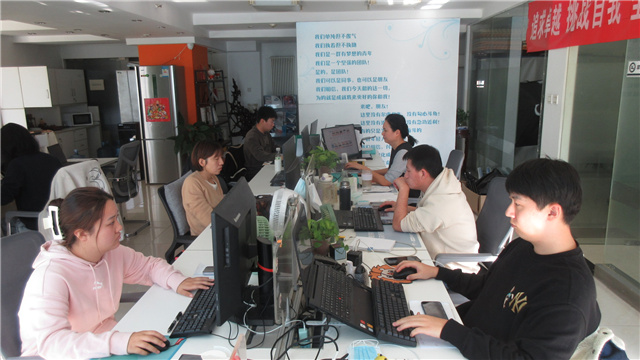
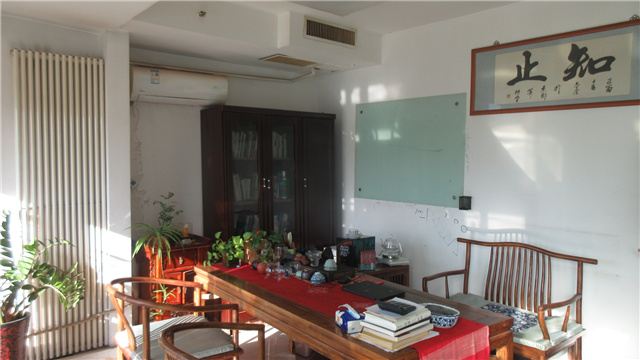
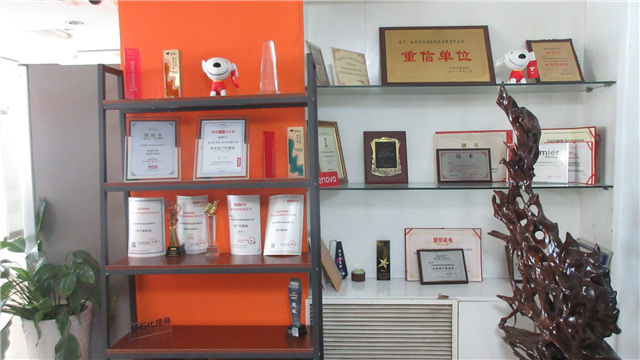
Machine learning models demand parallel data ingestion and vast matrices calculations. Our customized workstation lines (such as the Lenovo P920 customized for Deep Learning) are constructed with power architectures that handle multiple dual-slot Tensor-core GPUs. High-efficiency power supply units (PSUs) rated at 80-Plus Titanium are used to provide clean, ripple-free power to the hardware, reducing potential system drift and hardware wear during extensive tensor calculations.
In structural modeling, architectural engineering, and finite element analysis (FEA), computational accuracy is crucial. Standard PCs lack the ECC memory capabilities required to correct bit-flip errors, which can corrupt complex computational files and cause massive structural rendering faults. By utilizing specialized motherboard chipsets, our systems guarantee raw material calculation precision, allowing engineering firms to simulate complex stresses without interruption.
Our operational capabilities are built upon a solid background of 21 years of industry experience. Unlike general system integrators, we deploy full-cycle hardware optimization protocols. Every unit produced undergoes a comprehensive 100% inspection process, covering physical burn-in testing, RAM diagnostics, and structural interface verification before global dispatch.
To comply with high-level military and corporate compliance standards, our manufacturing facilities enforce strict raw material traceability (Raw Materials Traceability: Yes). Additionally, our engineering division offers dynamic customization services including sample processing, graphical layout design, and bespoke configuration builds. This flexibility enables us to customize computing units for clients across our main operational regions, including North America, Eastern Europe, and the domestic market.
The technology curve for high-performance computing is accelerating. As workstations evolve to support local Large Language Model (LLM) execution, hardware designs are transitioning toward hybrid processing architectures. We are optimizing our upcoming systems to integrate next-generation high-speed data buses and improved cooling technologies.
Select from our targeted inventory of professional platforms built to deliver robust rendering, modeling, and deep learning compute performance.
Review comprehensive answers to common structural, procurement, and technical design questions faced by enterprise infrastructure managers.
 Nexus AI Server