Reliable, scalable, and optimized computing platforms configured to match diverse corporate, creative, and administrative workflows.
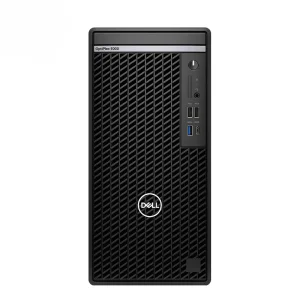
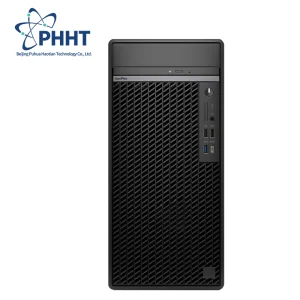
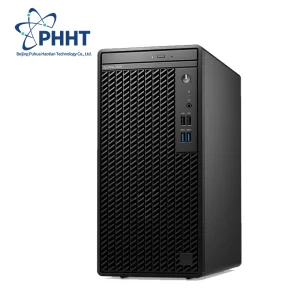
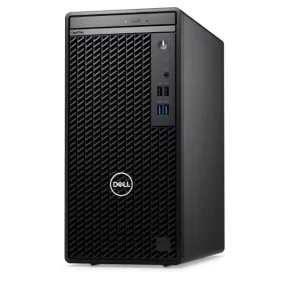
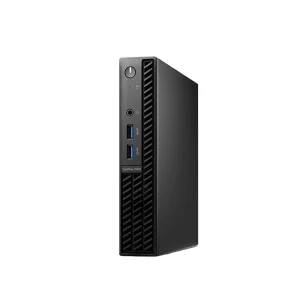
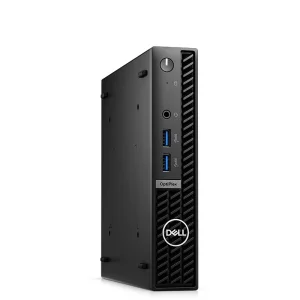
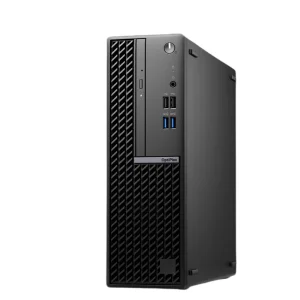
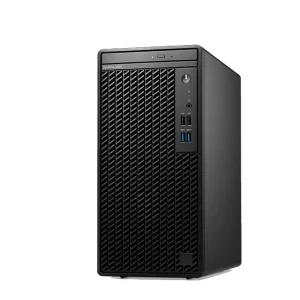
In an era dominated by hyper-converged infrastructures and hybrid workforce deployments, the role of enterprise desktops has evolved from simple workstation terminals into complex hubs of localized computing power. Organizations worldwide are recognizing that local client computing cannot be completely offloaded to the cloud without suffering from latency bottlenecks, bandwidth consumption, and security concerns. From corporate boardrooms in North America to heavy industrial manufacturing lines in Eastern Europe, desktops remain the primary vehicle for daily data processing, local virtualization, and high-fidelity rendering.
A key structural shift in global desktop architecture is the divergence between ultra-compact form factors and highly scalable mid-tower configurations. Traditional enterprise workflows, which primarily consist of web-based SaaS tasks, administrative operations, and data-entry portals, are increasingly transitioning to Mini PCs or Micro Form Factor (MFF) designs. These systems consume less physical space, consume significantly less power, and are easier to cycle out during physical facility upgrades. Conversely, engineering clusters, financial analytical hubs, and edge automation systems continue to require robust Mid-Tower (MT) configurations. These MT systems offer the thermal overhead, expansion slots, and power delivery units (PDUs) required to host multi-gigabit networking cards, hardware accelerators, and expansive NVMe SSD arrays.
Furthermore, global supply dynamics have forced enterprise procurement directors to prioritize lifecycle stability and component compatibility over mere raw performance numbers. A high performance system that suffers a motherboard chip revisions mid-deployment can wreak havoc on IT departments managing master images. Consequently, dealing with a structured factory that guarantees component consistency over a defined multi-year lifecycle has emerged as a cornerstone requirement for modern corporate IT strategy.
Procuring desktops on a global scale demands a holistic framework that goes far beyond initial purchase prices. When procurement managers and CIOs evaluate computing hardware, they construct complex matrixes assessing Total Cost of Ownership (TCO), Mean Time Between Failures (MTBF), hardware-level security, and vendor agility. As standard desktop life cycles are expected to span 4 to 6 years, stability in the configuration path is critical to prevent driver fragmentation and complex patch management cycles.
Hardware-level security, including Trusted Platform Module (TPM) 2.0 integration, chassis intrusion detection, and BIOS-level protections, is mandatory to meet stringent modern cybersecurity standards.
To reduce software deployment costs, corporate buyers require factories to deliver identical motherboards, chipsets, and network controllers across multi-thousand unit batches.
Offices and specialized cleanrooms demand ultra-quiet operation under load. Efficient airflow paths and smart fan curves extend component lifespan while maintaining employee productivity.
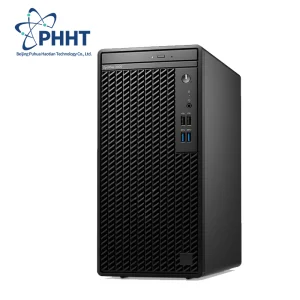
To cater to these rigorous criteria, enterprise desktops such as the OptiPlex 7010 and 7020 systems utilize Intel Stable IT Platform Program (SIPP) compliant components. This program ensures that the silicon architecture remains unaltered for at least 15 months, allowing enterprise IT administrators to deploy uniform system images without experiencing hardware-induced deployment failures.
The production of enterprise computing platforms has moved far past manual assembly benches. Modern desktop manufacturing facilities in China utilize Factory 4.0 methodologies, integrating automated optical inspection (AOI), automated functional testing, and intelligent MES (Manufacturing Execution Systems) to manage complex material bills of lading. With over 21 years of manufacturing expertise, our production facilities represent the peak of this technological development.
One of the primary advantages of our localized industrial cluster is supply chain integration. The physical proximity to major passive component suppliers, PCB fabricators, and custom chassis tooling shops enables a response speed that remote manufacturing hubs simply cannot replicate. If custom expansion cards or distinct brackets are needed for an industrial client, our 3 graduate R&D engineers can produce working prototypes within a fraction of standard lead times.
In addition to quick-turn capabilities, quality assurance remains the absolute foundation of our operations. The traceability of raw materials ensures that every component—from capacitors and VRMs to solid-state controller chips—can be tracked back to its original production lot. This mitigates the risk of counterfeit parts entering the supply pipeline, protecting the performance and stability of our end-user deployments.
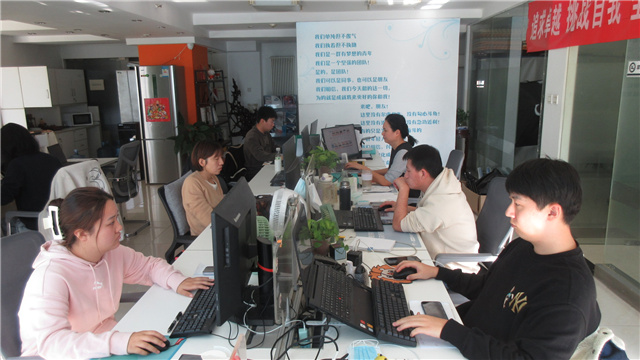
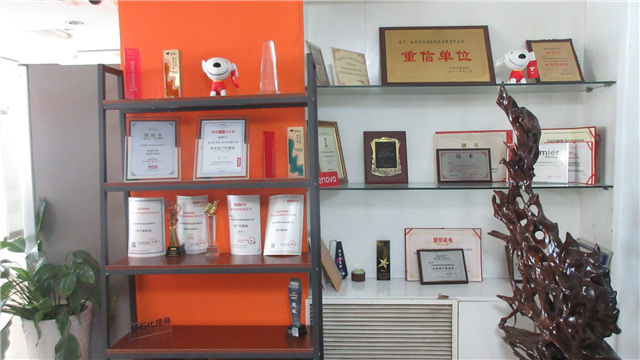
Operating with complete transparency, verified quality systems, and deep industry integration since 2003.
2003-07-10
21 Years Experience
100% Inspection Run
Global (US, EE, Domestic)
Our facility operations maintain a steady output flow and strict compliance checks on all products. With an export footprint spanning North America (15%), Eastern Europe (20%), and a robust domestic presence (50%), our products conform to multiple localized certification standards. Our team of R&D engineers holds graduate degrees, specializing in custom motherboard board layouts, thermal simulation modeling, and custom enclosure engineering. We support wide-ranging client requirements including sample processing, graphic processing, and customized on-demand desktop builds.
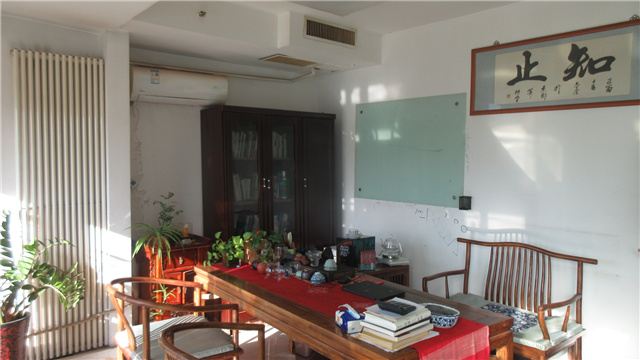
Modern computing demands cannot be satisfied by generic "one-size-fits-all" desktops. Different industrial verticals require distinct adaptations of form factors, power targets, and structural support. Below are the key scenarios where custom desktop configurations deliver optimal operational efficiency.
Deploying energy-efficient micro computers, such as the OptiPlex 3000MFF, behind monitors or underneath desks. This configuration maximizes office workspace while reducing corporate electrical grid overheads.
Using barebone tower desktops with legacy port configuration (such as Serial RS232, multiple LAN ports, or custom PCI interfaces) to control mechanical fabrication lines and factory sensors.
Configuring powerful MT hosts with multi-core Intel Core i7/i9 or dedicated GPU clusters to handle demanding visualization tasks, mechanical CAD operations, and spatial rendering workloads.
By targeting these specific domains, our manufacturing process adapts dynamic system builds directly at the assembly line stage. For example, systems intended for cleanroom or clinical environments receive custom sealed-bezel dust filtration configurations, while systems bound for logistics warehouses are equipped with highly robust industrial power supplies resistant to line fluctuations.
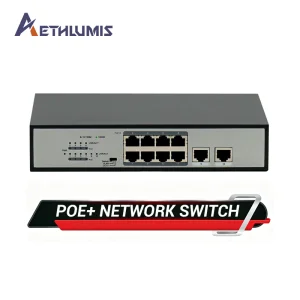
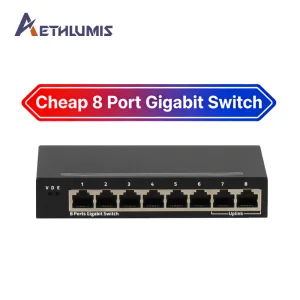
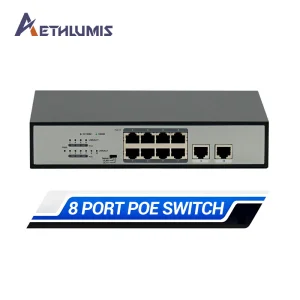
The border separating high-performance workstations, local network switches, and rackmount enterprise servers has become increasingly blurred. In high-efficiency office deployments, networking hardware works in tandem with computing endpoints to ensure seamless data flows. For instance, incorporating a Gigabit PoE Switch with VLAN isolation within a desktop computing grid allows localized IoT, IP phones, and client workstations to operate off a consolidated power-delivery backbone, reducing overall structural wiring costs.
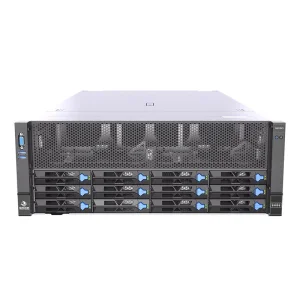
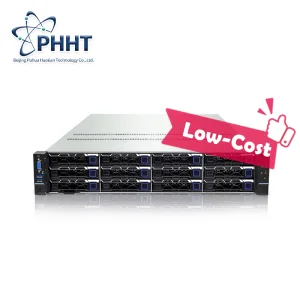
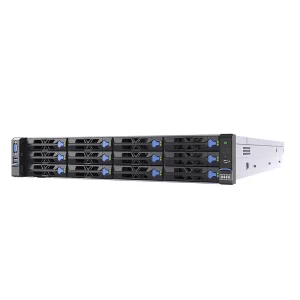
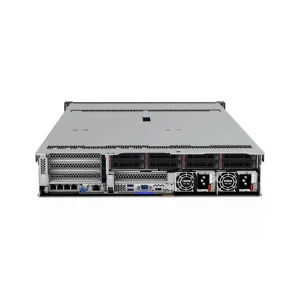
Similarly, for organizations handling localized AI training or running high-density database backbones, the integration of GPU-ready rack servers alongside developer workstations is highly common. Developing models on a local desktop like the OptiPlex 7020 and pushing model configurations to a local GPU Server allows developers to bypass expensive public cloud transfer and storage tariffs. Our comprehensive production capacity covers the entire equipment spectrum: from office computers to high-performance multi-socket AMD EPYC servers, and advanced PoE networks. This diverse integration capacity positions us as a critical industrial partner for complete IT infrastructure deployments.
Clear answers regarding OEM customizations, manufacturing capacity, quality control procedures, and purchasing logistics.
Integrate your computing environments with barebone systems, high-capacity rackmount servers, and managed PoE network hubs.
 Nexus AI Server