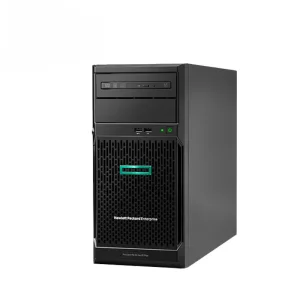
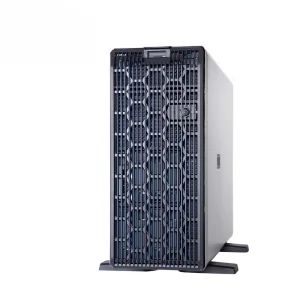
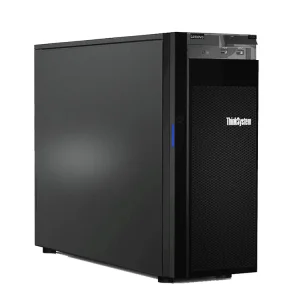
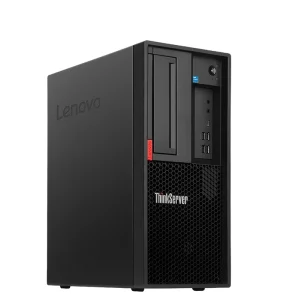
In an era dominated by hyper-scale cloud computing and centralized data centers, the demand for local, resilient, and highly secure computing power has never been greater. Tower servers stand as the backbone of decentralized IT infrastructure, providing enterprises, research laboratories, and branch offices with rack-level computational density without the associated infrastructure overhead. For organization heads, purchasing managers, and chief technology officers, choosing a tower server configuration is not merely a hardware acquisition—it is a strategic decision that affects operational agility, data sovereignty, and overall Total Cost of Ownership (TCO).
Unlike rackmount servers that demand specialized cooling, dedicated server cabinets, and structural acoustics, modern tower servers operate seamlessly in typical office environments. They deliver whisper-quiet operations, plug-and-play power compatibility, and unmatched internal storage and GPU expansion capacity. Whether deployed for local ERP host systems, machine learning training models, or secure NAS nodes, the modern tower server bridges the gap between local control and high-performance cloud equivalence.
Global business infrastructure requires targeted computational architectures. A one-size-fits-all approach inevitably leads to resource bottlenecks or costly over-provisioning. As a premier Tower Server Supplier and Exporter, we specialize in delivering tailored configurations that align with major vertical industries:
Medical imaging, patient record management, and localized diagnostics require absolute data privacy and instantaneous retrieval. By combining high-bandwidth storage with high-speed processors (such as the Intel Xeon W or Intel Core 14th Gen systems), hospital clinics run real-time analytics locally, fulfilling regional data governance regulations like HIPAA and GDPR.
Modern smart factories utilize bionic patrol systems, IoT hubs, and automated optical inspections. Tower workstations configured with localized GPU acceleration act as the primary edge node, processing vast streams of machine data with minimal latency, avoiding the bandwidth costs and latency penalties of cloud-only systems.
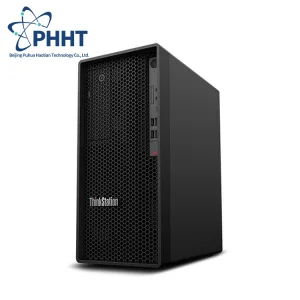
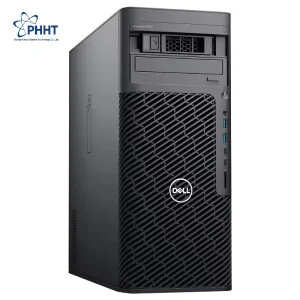
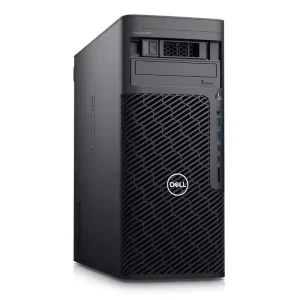
3D rendering, engineering modeling (CAD/CAM), and high-definition video editing demand sustained single-thread CPU performance coupled with robust multi-GPU capabilities. Dedicated tower workstations, like the T5860 and Precision 3680 series, provide engineers and content creators with the computational horsepower required to accelerate production cycles.
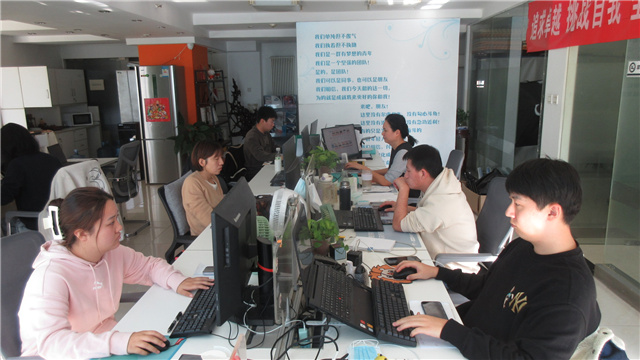
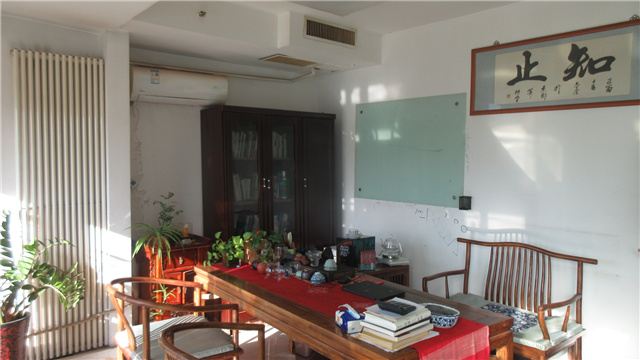
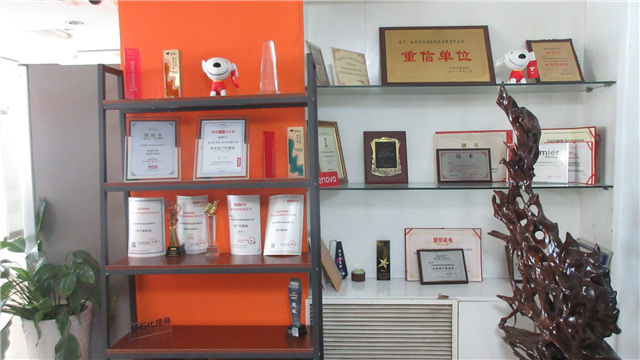
Our enterprise-grade server frameworks are constructed with meticulous attention to detail. View our verified assembly, cooling, and diagnostic validation processes below:
Sourcing hardware on a global scale involves navigating multifaceted supply chains, trade tariffs, warranty structures, and lifecycle support. Procurement teams must look beyond initial acquisition costs to analyze the total cost of ownership (TCO) over a 3-to-5-year operational lifecycle. Key metrics including electrical efficiency, thermal overhead, rack space replacement values, and component failure rates play a critical role in strategic budgeting.
Tower servers represent a highly efficient alternative to traditional rack infrastructure for remote offices. They eliminate the need for costly HVAC upgrades, dedicated server rooms, and rack deployment contracts. When procuring tower hardware, organizations benefit from flexible expansion options: a business can initial purchase a tower containing a single CPU and basic storage array, and then scale memory, add GPU modules, and expand storage capacity as local processing demands grow.
| Deployment Metric | Traditional Rack Server | Enterprise Tower Server | Primary Business Advantage |
|---|---|---|---|
| Acoustic Footprint | High (55dB - 75dB) | Whisper Quiet (< 35dB) | Integrates directly into standard office workspaces without noise pollution. |
| Infrastructure Requirement | Dedicated rack cabinet, structured cooling | Standard electrical outlet, ambient air | Saves thousands in specialized server room HVAC and power setups. |
| PCIe & Storage Expansion | Restricted by 1U/2U chassis heights | Extensive (Up to 8+ LFF drives / multiple GPUs) | Allows massive storage arrays and multiple accelerators in a single machine. |
| Deployment Mobility | Fixed in data center environments | Highly mobile, standalone chassis | Ideal for temporary sites, construction offices, and edge stations. |
Our reputation as a premier exporter is built upon a 21-year legacy of manufacturing excellence. From initial component selection to final system verification, our processes ensure reliable long-term operations.
Customization Services: Custom-on-demand architectural tailoring, sample processing, graphics processing, and multi-OEM configurations. Our supply-chain networks span key global markets including Eastern Europe (20%) and North America (15%), servicing brand business entities, system integrators, municipal engineering departments, and wholesale distributors.
The architecture of tower systems is undergoing a rapid evolution. Driven by the computational demands of localized generative AI, neural network inference, and big-data virtualization, tower systems are incorporating cutting-edge technologies that were once exclusive to high-density data centers.
Our engineering roadmap focuses on three main developments:
Doubling data throughput rates allows next-generation storage devices and GPU accelerators to communicate with CPUs at unprecedented speeds, eliminating bottlenecks during large database reads and AI model training sessions.
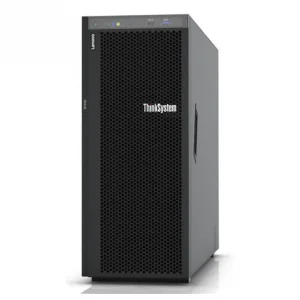
Integrating specialized tensor cores and neural processing units directly onto our system boards ensures that localized workstations, such as the ST258 V2 and T550 series, can process complex AI operations at the edge with lower thermal loads.
By pairing low-dB performance fans with liquid cooling loops, our tower servers dissipate heat from high-wattage CPUs (such as the Intel Xeon Scalable series) while maintaining quiet operation in standard workspaces.
Our enterprise-grade servers are built for continuous operations under heavy workloads. To ensure reliable performance, we maintain a strict Quality Control framework:
Comprehensive verification and tracking of all silicon, storage controllers, and power modules back to primary verified manufacturers.
Quality checks integrated into every stage of production, monitored by our engineering teams to prevent errors before final assembly.
Every tower server undergoes 24 to 72 hours of intensive diagnostic testing at full system load to verify hardware stability before dispatch.
Systems are built to meet international emissions, electromagnetic compatibility, and safety standards, ensuring smooth integration into local operations.
Find quick answers to common questions about configuring, acquiring, and deploying tower servers and workstations:
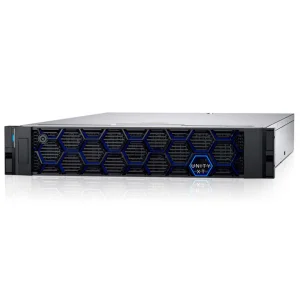

 Nexus AI Server