Premium processing components, hardware accelerators, and high-performance server configurations currently optimized for AI deployment.

In the contemporary technology landscape, Graphic Processing Units (GPUs) and General-Purpose GPUs (GPGPUs) have shifted from peripheral display adapters to the foundational computational substrate of the modern global economy. This paradigm shift has altered procurement, manufacturing, and export regulations. Modern high-density computer models—such as large language models (LLMs), automated spatial processing networks, and deep neural simulation platforms—demand massive parallel execution pipelines. Silicon design frameworks, specifically 7nm lithography and smaller fabrication process nodes, have become critical infrastructure elements for national development and enterprise scaling alike.
Global enterprise procurement policies are adapting to this shift. While traditional data center purchasing models relied heavily on CPU-centric architectures, the modern architecture prioritizes parallel math-coprocessors. The emergence of open-source frameworks like DeepSeek, combined with specialized enterprise AI models, has created a global GPU supply gap. Enterprises must secure hardware capable of handling variable workloads, from lightweight inference to massive multi-parameter foundation model training.
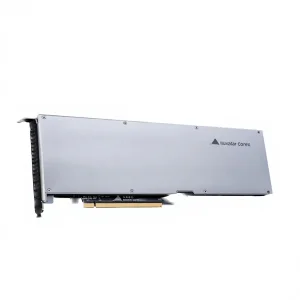
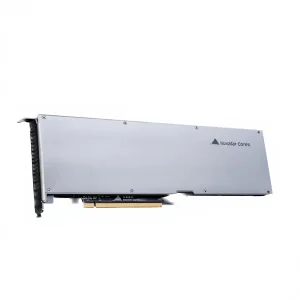
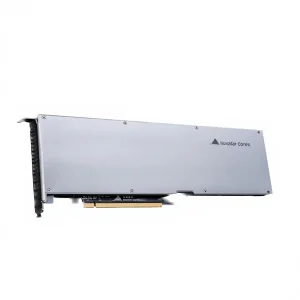
Maximizing computational operations per second (TOPS) in restricted thermal envelopes is the primary focus of modern hardware design. Devices like the TG150 deliver 320 TOPS of mixed-precision computing power, providing high performance for complex model iterations.
Deploying specialized compiler toolchains enables optimized translation layers for TensorFlow, PyTorch, and ONNX pipelines. This ensures low-latency execution across heterogeneous processor nodes.
AI workloads generate high amounts of heat. Optimizing the thermal dissipation interface from system board to heat pipe guarantees long-term stability under heavy workloads.
Enterprise infrastructure scaling is a multi-dimensional challenge. System architects must consider power, cooling, network fabric overhead, storage throughput, and hardware compliance. When integrating modern AI accelerators (such as the Tiangai 150 GPGPU) into enterprise clusters, the design of the surrounding system is just as critical as the silicon itself.
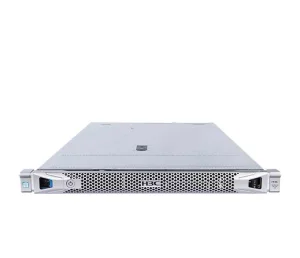
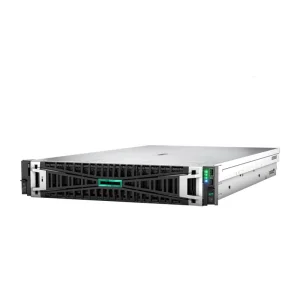
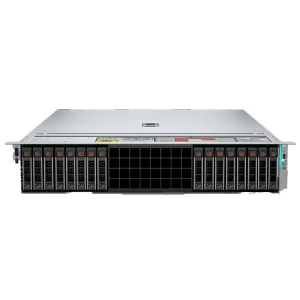
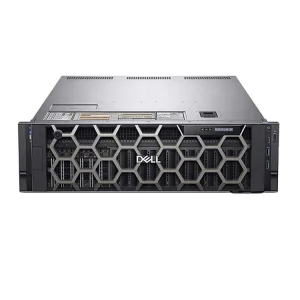
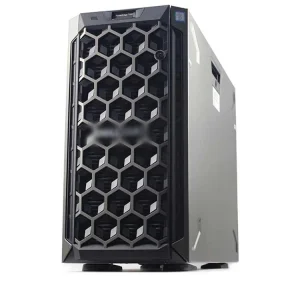
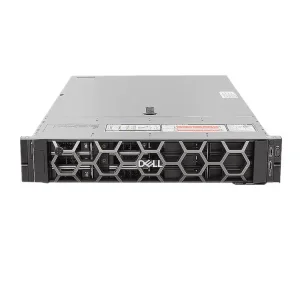
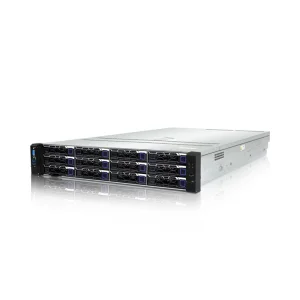
Typical infrastructure configurations utilize 1U, 2U, or 4U rack servers to balance computing density with thermal dissipation capabilities. For example, standard 1U platforms provide high compute density per rack unit but face tight thermal constraints, limiting them to lower-power accelerators. In contrast, 2U and 4U chassis configurations support multi-GPU setups, offering the necessary thermal space and PCIe lanes for complex model processing.
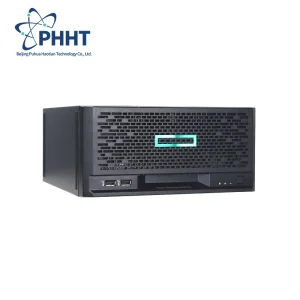
Engineered for low-latency edge inference and density-optimized static loads. Suitable for high-density enterprise deployments with standard rack setups.
Provides a balance of cooling capacity and expansion potential. Supports multiple PCIe 4.0 accelerator units alongside high-performance enterprise storage controllers.
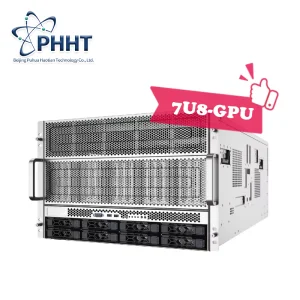
Designed for deep learning training workloads. Accommodates high-wattage hardware accelerators and complex liquid cooling manifolds.
Crucial for managing node-to-node communications. High bandwidth prevents bottlenecks in distributed training clusters.
A look at the quality control, research capabilities, and supply chain logistics supporting global computing hardware distribution.
| Company Registration | 2003-07-10 |
|---|---|
| Industry Experience | 21 Years |
| Export Experience | 2 Years |
| Floor Space | 120 ㎡ |
| Key Markets | Domestic (50%), Eastern Europe (20%), North America (15%) |
| Traceability | Yes (Raw materials tracked) |
| Quality Control | Inspection of all products (100% QA) |
| R&D Team | 3 Graduate Engineers |
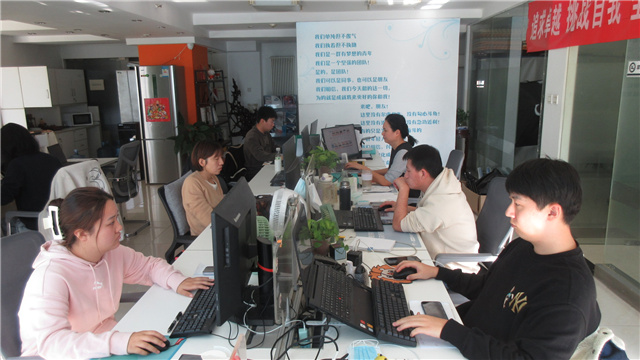
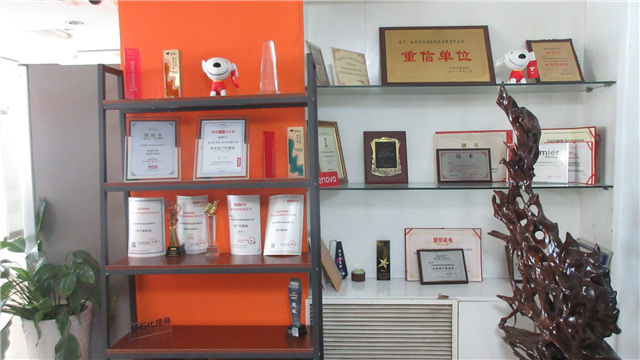
Founded in 2003, our operation has spent over two decades navigating the evolution of high-performance computing hardware. Our production workflow focuses on reliability, and we implement strict testing protocols for all exported components. This includes comprehensive diagnostic testing under simulated high-load conditions for every GPU accelerator, network switch, and server node in our inventory.
Our quality assurance process includes tracing raw materials, helping us maintain compliance with strict export and import regulations across major global markets. With a team of three graduate research and development engineers, we offer customization services, including sample processing and tailored configuration design. This helps ensure that the hardware integrates smoothly into your existing data center architecture.
A common mistake in building AI compute clusters is focusing solely on raw processing power while overlooking networking bandwidth. High-performance computing nodes require rapid data transmission between nodes. Without low-latency networking, even the fastest GPUs will experience bottlenecks as they wait for model weights to sync across the cluster.
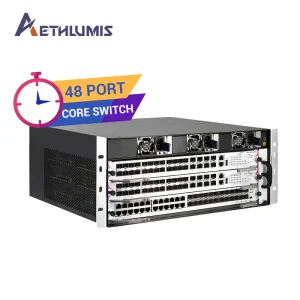
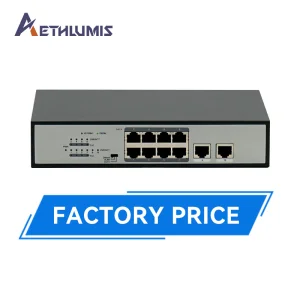
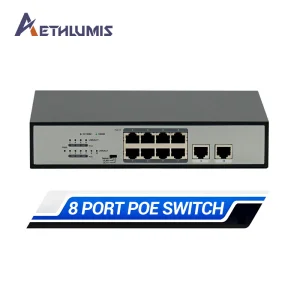
For small to medium deployments, PoE switches simplify installation by providing power and network connectivity over a single cable, which is useful for edge monitoring setups. For larger data centers, high-capacity Layer 3 managed core switches supporting protocols like OSPF, BGP, and MPLS are essential. These switches manage the high data traffic required for parallel processing, keeping your GPU clusters running efficiently.
Deploying high-speed switches with capacities up to 1.47Tbps provides the bandwidth necessary to prevent congestion in cluster networks.
Power over Ethernet (PoE) solutions supply up to 120W per unit, simplifying setup for edge nodes and surveillance setups.
Using 6KV surge protection safeguards expensive backend compute hardware from electrical faults and static discharge.
Answers to common technical questions regarding GPGPU integration, network architecture, and custom hardware setups.
High-density servers, switches, and specialized computing nodes for enterprise and datacenter installations.
 Nexus AI Server