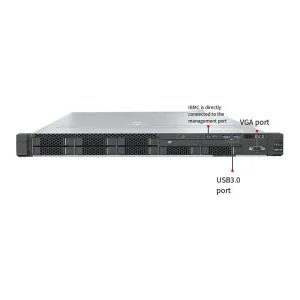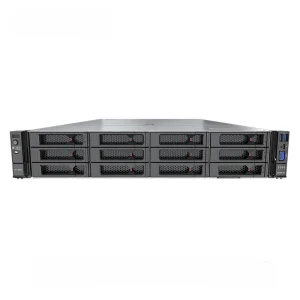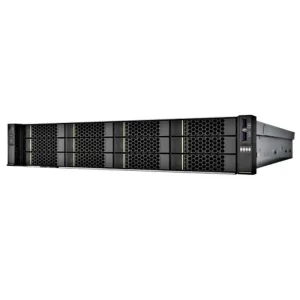
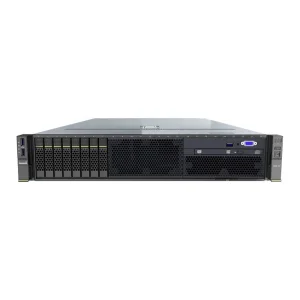
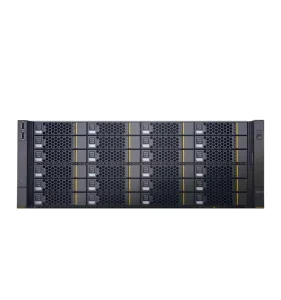
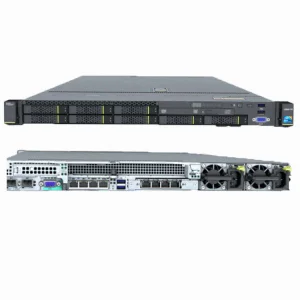
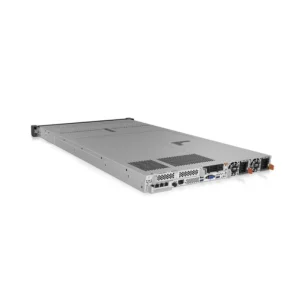
In the high-stakes arena of modern data operations, enterprise rack servers form the foundational compute fabric of local systems, global networks, and automated workflows. Established in 2003, our factory acts as a high-precision integration environment and custom deployment base. Over the past 21 years, our specialized engineers have developed, tested, and shipped server platforms designed to keep pace with changing performance standards, thermal limits, and processing densities.
"Our systematic approach combines raw-material validation with line-by-line inspection protocols, ensuring that every 1U, 2U, or 4U rack server leaves our facility fully prepared for mission-critical deployments under strict SLA guidelines."
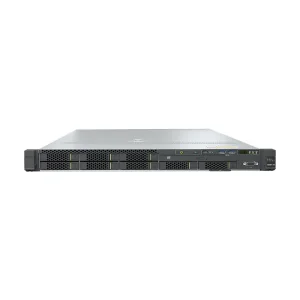
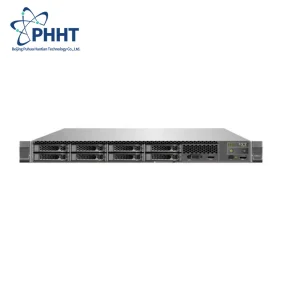
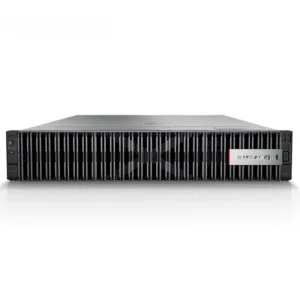
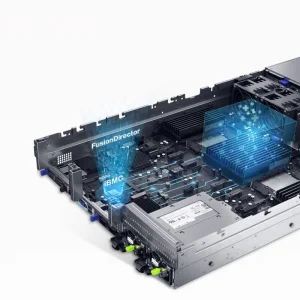
Modern data centers demand more than raw clock speeds. The shift toward containerized microservices, distributed relational databases, real-time telemetry processing, and large-scale AI training/inference has changed what we expect from rack-mount hardware. High-efficiency architectures like the FusionServer and Hyperfusion Series are built directly to meet these compute challenges. They combine processing power with low thermal signatures and efficient resource management.
Support for 2-socket and 4-socket setups in 1U and 2U formats, offering up to 60 cores per processor with Intel Xeon Scalable and AMD EPYC architectures.
Integrated Dynamic Energy Management Technology (DEMT) reduces operational costs by automatically dialing back voltage according to real-time workload demands.
Silicon Root-of-Trust, TPM 2.0 microcontrollers, and real-time firmware verification protect systems against pre-boot alterations and physical attacks.
To design an effective data infrastructure, you need to understand how the generation limits match up with workload requirements. In our integration labs, we categorize servers across three generations, each configured for specific cost and performance requirements:
| Server Generation | Processor Type Supported | Memory & PCIe Standards | Core Applications & Workloads | Typical PUE Profiles |
|---|---|---|---|---|
| FusionServer V5 (e.g., 2288H V5, 2488H V5, 5288 V5) |
Intel Xeon Scalable (1st/2nd Gen) | DDR4 LRDIMM, PCIe Gen3 x16 slots | General virtualization, legacy databases, file caching, mini data centers. | 1.30 - 1.45 PUE |
| Hyperfusion V6 (e.g., 1288H V6, 2288H V6) |
Intel Xeon Scalable (3rd Gen / Ice Lake) | DDR4 (3200 MT/s), PCIe Gen4 NVMe | HPC, multi-tenant cloud systems, fast NVMe-over-Fabrics storage arrays. | 1.20 - 1.30 PUE |
| FusionServer V7 (e.g., 1288H V7, 2288H V7) |
Intel Xeon (4th/5th Gen) / AMD EPYC Zen4 | DDR5 (4800+ MT/s), PCIe Gen5, CXL 1.1 | Machine learning inference, big data pipelines, high-density transactional databases. | 1.10 - 1.20 PUE (Liquid Cool Support) |
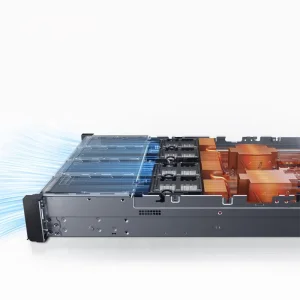
As a specialized manufacturer, our factory focuses on structural durability and thermal layout. These design features are critical for maintaining system availability over a standard five-year operational cycle:
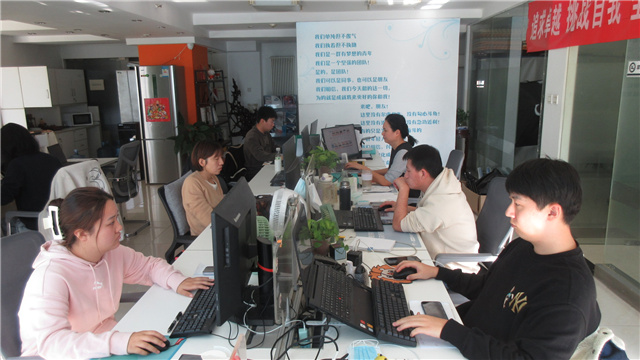
Our integration lines are laid out to protect sensitive electronics. We control ESD levels, regulate humidity, and track every component from arrival to final burn-in testing. These steps ensure that all hardware runs reliably after deployment.
We trace every memory chip, storage controller, and capacitor to its manufacturer. This makes it easy to quickly identify and replace any faulty batches.
Every server runs 24 to 72 hours of stress testing at high workloads. This checks memory performance, storage speeds, and thermal stability before packaging.
Our R&D team configures custom BIOS settings, security levels, and IPMI management options to fit your local network setup.
We build tailored rack rails, custom outer bezels, and modified chassis dimensions to match unique system limits or standard cabinet spaces.
In retail systems, transit controls, and health information platforms, hardware downtime can stop business operations entirely. The FusionServer 2288H V7 platform is designed with hardware configurations to support active-active hot standby nodes:
Edge locations, remote branch offices, and industrial complexes often lack dedicated, climate-controlled server rooms. In these environments, the FusionServer 5288 V5 acts as a highly efficient compact computing hub:
With smart sensors, production monitoring, and security cameras processing massive amounts of data, sending raw video to a remote cloud is no longer practical. Modern servers handle this workload at the point of collection:
 Nexus AI Server