Choosing the right GPU server supplier can be a challenging task. With so many options available, it's easy to feel overwhelmed. A reliable supplier should meet your specific requirements and provide high-quality performance. Consider their expertise in GPU technology and past customer success.
Look for suppliers known for their industry reputation. Assess their ability to offer customized solutions that align with your projects. It’s crucial to gauge their support and service. You need a partner who is responsive and knowledgeable.
Many factors influence your choice, like pricing and warranty. However, don't solely focus on cost. A cheaper option might not offer the best performance. Reflect on your long-term needs and the supplier's reliability. Your choice today shapes your future workload efficiency. Select wisely, as the right GPU server supplier can significantly impact your success.
Understanding Your GPU Server Requirements
When selecting a GPU server supplier, understanding your specific requirements is crucial. A recent report indicated that the global GPU server market is projected to reach $70 billion by 2026. This growth reflects increasing demand in AI, deep learning, and data analytics. Yet, these requirements differ significantly across sectors. Whether for education, healthcare, or finance, your needs will determine the specifications that matter most.
Consider the number of GPU cores, memory capacity, and thermal management when assessing potential suppliers. For example, AI training tasks might require GPUs with high core counts and substantial VRAM. In contrast, graphics rendering could prioritize faster clock speeds and cooling solutions. Many users overlook these details, leading to performance bottlenecks.
Evaluate the supplier's expertise in your sector. Are they familiar with your workloads? Their previous projects can provide insight. Check for testimonials or case studies that align with your needs. A responsive support team is equally essential. Downtime can be costly, making reliable customer service vital. Choose a supplier who understands not just technology, but your unique challenges.
Evaluating the Reputation of Potential Suppliers
Evaluating the reputation of potential GPU server suppliers is crucial for making an informed decision. Start by researching online reviews and testimonials. Look for impartial feedback from users. Forums and tech communities often provide real-world experiences, which can reveal the reliability of a supplier. Be wary of overly positive reviews—they may be biased.
Engage with current and past clients of the potential suppliers. Their insights can offer valuable perspectives on support and service quality. Ask specific questions about performance, uptime, and any issues faced. A supplier willing to share experiences from their client base reflects confidence in their offerings.
Tips: Verify the supplier’s history in the market. Longevity can indicate stability and reliability. Compare the responses from different suppliers. If someone hesitates when discussing challenges, it might raise a red flag. Always ensure they are transparent about their technology and support. A good supplier should not only sell you a product but also be committed to your ongoing needs.
Comparing Pricing and Performance Options
When evaluating GPU server suppliers, pricing and performance are crucial factors. Different suppliers offer varied pricing structures based on the hardware they provide. Some focus on premium components while others prioritize cost-efficiency. It's essential to analyze what these platforms promise against their pricing. A lower price might indicate less reliable performance or outdated hardware. Balancing cost and performance can be tricky.
Performance metrics are not standardized across all suppliers, which adds to the complexity. Some may offer impressive benchmarks, but real-world use can tell a different story. Assessing actual user reviews and case studies can help. It's wise to consider the specific requirements for your applications. For example, deep learning tasks may need more GPU power than gaming applications.
Additionally, consider the total cost of ownership. Hidden fees and maintenance costs can add up. Sometimes, upfront savings lead to disappointing long-term performance. Ensure you account for support and warranty as part of your decision. Reflecting on these aspects can clarify your choice. Making an informed decision is not just about getting the best specs but ensuring the server meets your needs reliably.
Assessing Support and Maintenance Services
When selecting a GPU server supplier, assessing support and maintenance services is critical. A reliable supplier should offer comprehensive support. This includes 24/7 technical assistance, timely software updates, and proactive monitoring. Look for companies with a proven track record in customer service. You want a partner who is responsive to your needs, and who understands your technical challenges.
It’s also important to evaluate their maintenance offerings. Regular hardware checks can prevent issues before they arise. Ask about their maintenance schedules and the expertise of their technicians. Be wary of suppliers who lack transparent processes. Ensure they provide clear documentation on procedures. Look for reviews or testimonials that reflect their commitment to maintenance. A strong partnership with a supplier can enhance your operational efficiency and minimize downtime.
Consider how the supplier’s support aligns with your specific needs. They must understand the unique demands of your GPU workload. Reflect on any past experiences with other suppliers. Did they meet your expectations in terms of support? A thoughtful selection process can lead to a more efficient, reliable service. Ultimately, finding the right fit requires careful consideration.
Investigating Customization and Scalability Features
When choosing a GPU server supplier, customization is crucial. Businesses have unique demands. A supplier should offer tailored solutions that align with your project's requirements. Look for options that allow modifications to hardware and software configurations. Such flexibility can significantly enhance performance and efficiency.
Scalability is equally important. As your business grows, your server needs may change. A reliable supplier will provide options to easily scale up resources. This adaptability can save costs and time in the long run. Check if they offer cloud integration or modular server designs, which can facilitate growth without a complete overhaul.
Tips: Always request detail on customization options. Understand the limitations of available features. Make sure to assess server performance during peak loads. Your needs might evolve, so ensure scalability options are clearly defined. Consider conducting a trial period to evaluate if they meet your needs effectively. Such reflections can prevent future complications.
FAQS
: Assess specific requirements like GPU cores, memory capacity, and cooling solutions. This varies by application.
Very important. Their understanding of your workloads can influence the success of your projects.
Reviews offer real-world insights. Look for impartial feedback from users in forums and tech communities.
Inquire about performance, uptime, and any challenges faced. Their experiences can guide your decision.
Pricing structures differ significantly. Some may prioritize premium components, while others focus on cost-efficiency.
Hidden fees and maintenance costs can affect long-term performance. Upfront savings might not always be beneficial.
Benchmarks may not reflect real-world performance. User reviews and case studies provide better context.
Check their history and market longevity. Hesitations in discussing challenges can be a warning sign.
Downtime can be costly. Good support ensures timely solutions to issues that may arise.
Ensure they are open about technology and support. A good supplier commits to your ongoing needs.
Conclusion
When choosing the best GPU server supplier for your needs, it is essential to start by understanding your specific GPU server requirements. This involves determining the computational power, memory, and storage that your applications demand. Once you have a clear understanding of your needs, evaluating the reputation of potential suppliers becomes crucial. Look for suppliers with proven track records, positive customer feedback, and industry recognition.
In addition to reputation, comparing pricing and performance options helps ensure you find a cost-effective solution that doesn’t compromise on capability. It’s also important to assess the support and maintenance services offered by the supplier, as reliable support can significantly affect your server's uptime and performance. Finally, investigate the customization and scalability features of the GPU server supplier, ensuring that the solutions they offer can grow and adapt with your changing needs. By carefully considering these factors, you can make an informed choice that aligns with your project requirements.
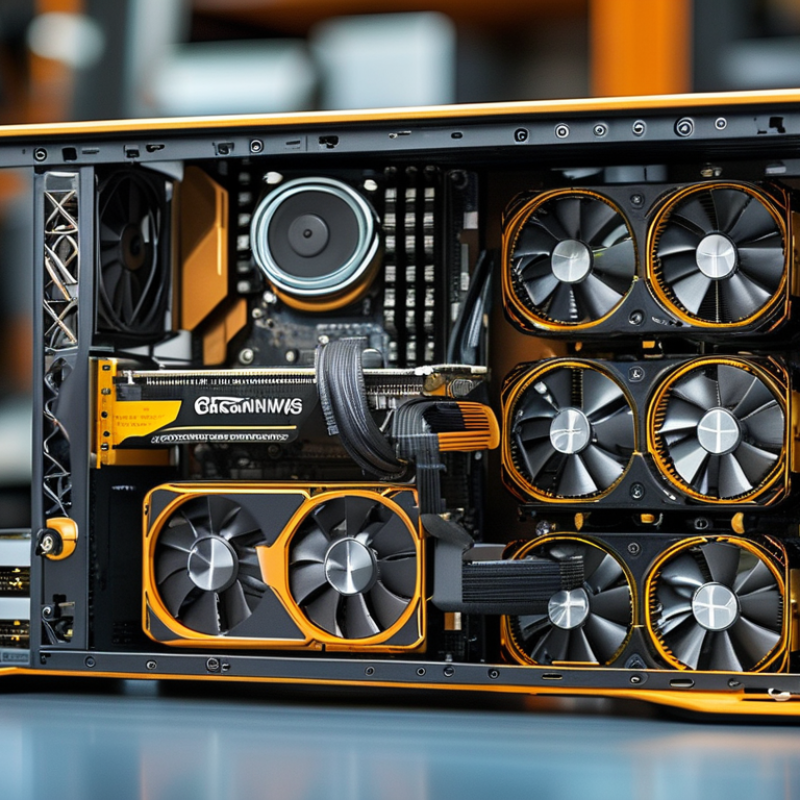

 Nexus AI Server