In recent years, the industrial AI server manufacturer landscape in China has evolved rapidly. These companies leverage advanced technology to meet growing market demands. They provide critical solutions for industries seeking automation and efficiency.
China's industrial AI server manufacturers are not just tech providers. They are key players in the global AI ecosystem. These firms focus on reducing costs and improving performance, but challenges remain. The competition is fierce, and continuous innovation is essential for survival.
While many manufacturers present impressive capabilities, not all maintain high standards of reliability. The quest for advancements can sometimes overshadow quality. Industry stakeholders must reflect on their partnerships carefully. Trusting an industrial AI server manufacturer is crucial for long-term success.
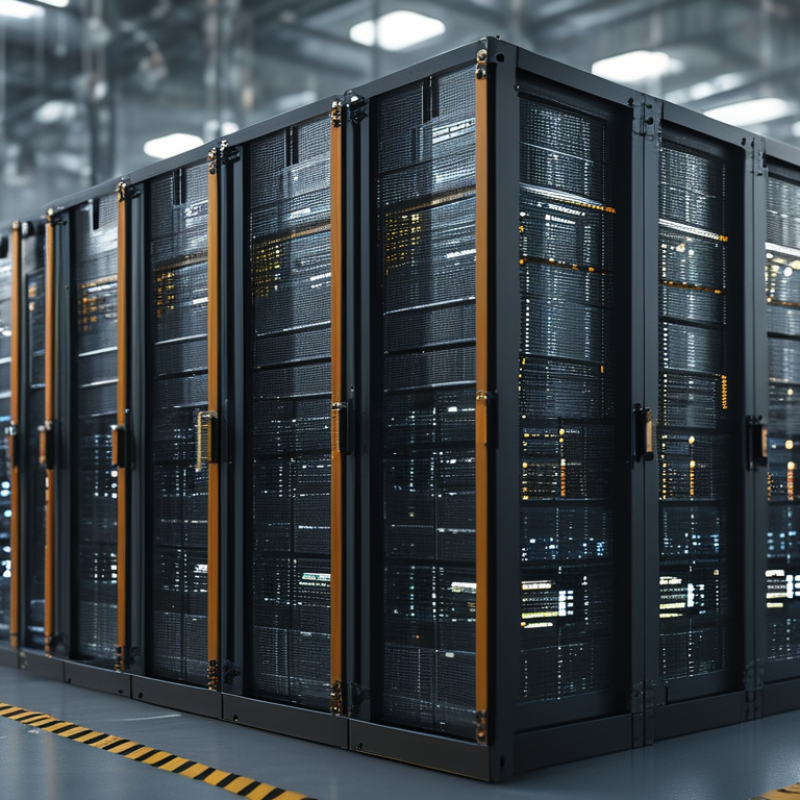
Industrial AI servers play a vital role in China's technological landscape. They support various sectors, from manufacturing to transportation. These servers leverage machine learning and big data analytics. This enhances efficiency and productivity across industries. According to a recent report by McKinsey, companies using AI technologies can boost their productivity by up to 40% over the next decade. This illustrates the transformative power of AI in industrial applications.
The importance of these servers lies in their ability to process vast amounts of data in real-time. This capability is essential for predictive maintenance and quality control. China’s industrial sector is rapidly adopting AI solutions, creating a surge in demand for robust AI server infrastructure. The global market for AI servers is expected to reach $30 billion by 2026, with significant contributions from the Chinese market. Companies are investing heavily in AI to stay competitive.
Considering the current pace of AI integration, businesses must evaluate their infrastructure. Not all servers are built with the same specifications. It’s crucial to assess processing power, scalability, and energy efficiency. Investing in the right hardware is not merely about performance; it impacts long-term operational sustainability. As industries evolve, the need for reliable AI servers will only grow, pushing companies to adapt swiftly to maintain their edge.
This chart illustrates the projected growth of industrial AI servers in China over the next few years, showcasing the increasing importance of AI technologies in various industrial sectors. The vertical axis represents the market size in billion yuan, while the horizontal axis depicts the years from 2023 to 2027.
China is rapidly emerging as a leader in the industrial AI server market. The surge in AI adoption across various sectors is driving this growth. According to a recent industry report, the market for industrial AI servers in China is expected to reach approximately $15 billion by 2025. This figure underscores the increasing reliance on machine learning and data analytics within manufacturing processes.
Leading manufacturers in the sector are focusing on developing scalable and efficient solutions. These companies are investing heavily in research and development to refine their technologies. Enhanced processing power and energy efficiency are becoming key selling points. The competition is tough, and while many companies are excelling, some still struggle with integrating AI effectively into existing infrastructures.
Data security and ethical considerations are also critical aspects that are often overlooked. As AI systems become more prevalent, the potential for data breaches increases. It's vital for manufacturers to implement robust security measures. Failure to address these issues can lead to significant setbacks and loss of trust in AI solutions. Balancing innovation with responsibility remains a challenge for many players in the industrial AI server landscape.
When selecting industrial AI servers, several key features warrant close attention. Processing power is essential for handling large datasets and complex algorithms. A server with robust CPUs and GPUs can significantly enhance AI model training and inference speeds. Moreover, consider the memory capacity and bandwidth. Adequate RAM and high-speed storage options are vital for seamless data processing and quick access.
Another important aspect is scalability. As businesses grow, their data needs evolve. A server should accommodate future expansions without requiring a full replacement. Flexibility in deployment options—whether on-premises or in the cloud—also adds value. It's crucial to evaluate the server's interoperability with existing systems, as smooth integration can save time and resources.
Security features should not be overlooked. With the rise of cyber threats, data protection becomes imperative. Reliable servers offer advanced encryption and access controls. It's essential to reflect on these aspects and choose a solution that meets current and future requirements while maintaining strong security protocols.
The landscape of AI server technology in China is evolving rapidly. Manufacturers are embracing innovations to meet the growing demands of industries. One trend is the shift towards energy-efficient servers. This approach helps reduce operational costs and environmental impact. Companies are exploring tailored hardware solutions for AI applications, allowing for specialized processing capabilities.
Another notable innovation is the integration of cloud computing with AI servers. This combination enables real-time data processing and analysis. Businesses can leverage these technologies for enhanced decision-making. However, not all companies adapt quickly. Some struggle with the transition, highlighting a need for continuous learning and investment in research and development.
Furthermore, there is an increasing focus on security in AI server technology. As organizations deploy more AI-driven solutions, vulnerabilities also rise. Manufacturers must prioritize robust cybersecurity measures. Balancing performance with security poses challenges. Some companies may overlook this critical aspect in pursuit of speed and efficiency. This ongoing evolution reflects the complexities of the market, driving manufacturers to innovate continually.
Chinese manufacturers face significant challenges in the artificial intelligence server industry. The rapid pace of technological advancement creates a constant pressure to innovate. Companies must invest heavily in research and development to remain competitive. Yet, many struggle to keep up with the latest innovations due to limited resources. This gap can hinder their ability to produce cutting-edge products.
In addition, the supply chain issues pose serious obstacles. Availability of high-quality components can be unpredictable. Fluctuations in prices can disrupt manufacturing schedules. Moreover, talent shortages are another pressing concern. The industry requires skilled engineers and technicians, but attracting top talent remains a challenge. Many manufacturers find it hard to offer competitive salaries and benefits compared to global giants.
Lastly, navigating regulatory requirements adds to the complexity. Compliance with domestic and international standards is not straightforward. Manufacturers often need to balance innovation with adhering to evolving policies. These dynamics force companies to constantly reassess their strategies. They must reflect on their operations to address weaknesses and capitalize on opportunities.
I server market in China?
Efficient solutions enhance processing power and energy efficiency, which are crucial for successful AI integration.
Key features include processing power, memory capacity, scalability, and security measures to protect data.
Scalability allows a server to expand with business needs without requiring a full replacement, saving costs.
As cyber threats increase, robust security measures like encryption are vital to prevent data breaches.
Yes, some companies struggle to transition, indicating a need for ongoing learning and investment in R&D.
Many are developing energy-efficient servers to lower operational costs and reduce environmental impact.
Cloud computing enables real-time data processing, enhancing decision-making but requires careful integration.
It’s challenging; some prioritize speed over safety, which can lead to vulnerabilities.
They must consider current needs, future scalability, and implement strong security protocols for data protection.
The article titled "Top Industrial AI Server Manufacturers in China Explained?" provides a comprehensive overview of the significance of industrial AI servers in China's rapidly evolving technological landscape. It highlights the key players in the market, discussing the leading industrial AI server manufacturers and their contributions to advancing AI applications in various industries.
Moreover, the article delves into the essential features that these servers must possess to meet the demands of modern enterprises, as well as the latest market trends and innovations shaping the AI server technology landscape. Despite the positive growth trajectory, Chinese manufacturers face challenges such as intense competition and the need for continuous innovation to maintain their competitive edge. Overall, the discussion emphasizes the critical role industrial AI server manufacturers play in supporting the growth of AI technologies in China.

Nexus AI Server