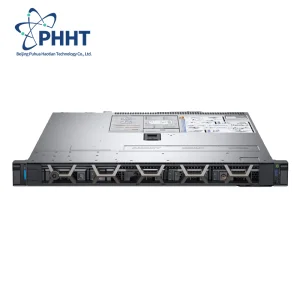
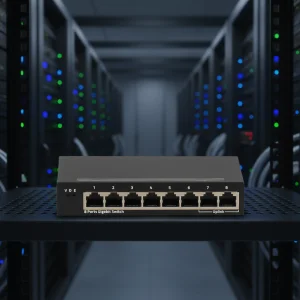
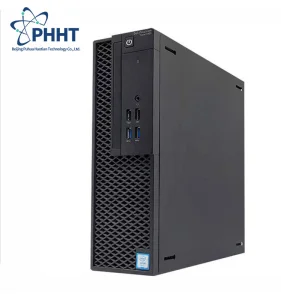
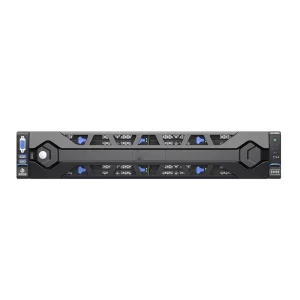
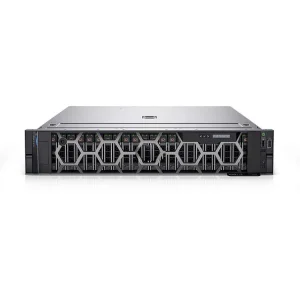
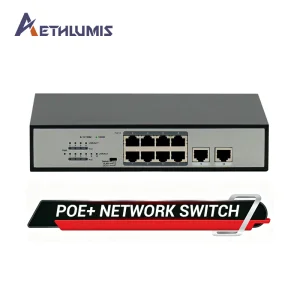
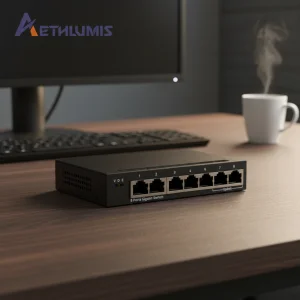
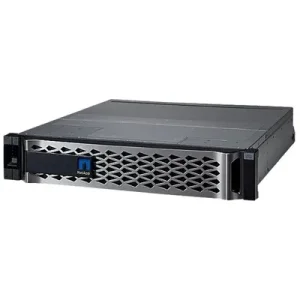
Industrial-grade servers and gigabit networks providing the high-throughput, low-latency foundation required for Augmented Reality rendering pipelines, spatial database storage, and AI processing nodes.
The emergence of Industrial Augmented Reality (IAR) and Spatial Computing represents one of the most profound shifts in human-machine interface design since the smartphone. However, the hardware requirements for rendering interactive 3D digital twins, calculating real-time Simutaneous Localization and Mapping (SLAM), and streaming volumetric data streams require an exceptionally complex computing backbone. This whitepaper analyzes the engineering demands of CE Certified Augmented Reality manufacturers, factory ecosystems, and the underlying cloud/edge rendering infrastructure that powers them.
To understand why a CE certification is imperative for AR computing infrastructure, we must look at where these devices are deployed. Unlike consumer VR headsets, industrial AR devices operate in environments with high electromagnetic noise, variable operating temperatures, and critical safety hazards. The CE Mark (Conformité Européenne) acts as a mandatory conformity certificate verifying that the physical hardware conforms to strict health, safety, and environmental protection standards in the European Economic Area (EEA), especially focusing on electromagnetic compatibility (EMC Directive 2014/30/EU) and low voltage hardware safety.
Globally, industrial enterprise adoption of AR technologies has transitioned from pilot projects to full production environments. According to market intelligence reports, the industrial AR hardware sector is projected to maintain a compound annual growth rate (CAGR) of over 35% through the next decade. Modern manufacturing complexes are leveraging AR for interactive maintenance procedures, remote engineering support, spatial sequence routing, and dynamic operator safety protocols.
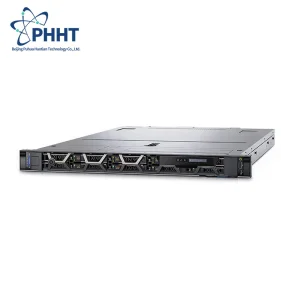
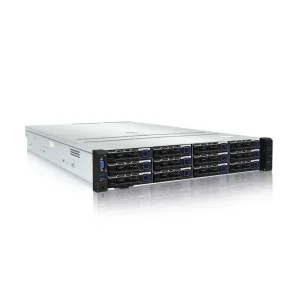
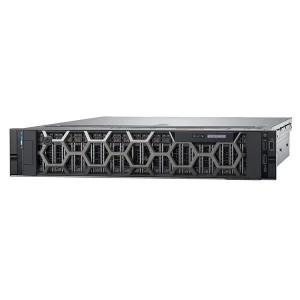
At the heart of this physical deployment is the edge server architecture. Because a standard standalone AR device has limited thermal headroom and battery capacity, the intensive graphics rendering operations must be offloaded to local servers. Systems like the Edge Cloud Parallel Processing Server and high-density 1U/2U rack servers handle real-time rendering calculations and spatial mapping streams. These compute nodes dynamically stream the resulting high-frame-rate frames to the local network hubs, which distribute the payload via low-latency Gigabit PoE network switches to localized 5G/Wi-Fi access points.
Analyzing key phases of infrastructure deployment that enable high-precision industrial AR over the next decade.
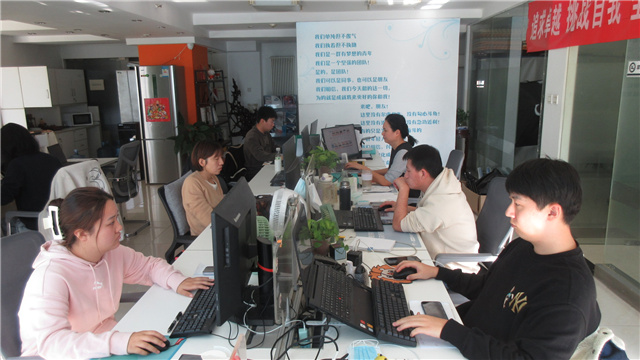
A manufacturer's underlying production capabilities dictate the reliability of high-availability enterprise hardware. With over 21 years of experience in system integration, our custom design workflows support full ODM requirements—ranging from raw materials traceability to final functional inspection tests. Below is the verified profile detailing our engineering background:
| Profile Specification Parameter | Verified Operational Value |
|---|---|
| Company Registration Date | 2003-07-10 (Over 21 years of engineering footprint) |
| Floor Space (㎡) | 120 Square meters (High-density assembly facilities) |
| Main Markets Distributed | Domestic Market (50%), Eastern Europe (20%), North America (15%) |
| Accepted Languages | English (Technical documentation & support) |
| Quality Control Measures | Conducted on all production lines; Traceability of raw materials verified |
| Inspectors & R&D Personnel | 1 dedicated QA/QC inspector, 3 Graduate level R&D Engineers |
| Client Segment Coverage | Brand business, Retailer, Systems Engineer, Wholesaler, Manufacturer |
Our core capability lies in delivering complete solutions. Our design cycle handles mechanical, electrical, and systems engineering integration. By validating all components against the CE compliance framework, we assure that our network hubs and rendering clusters maintain standard safety limits for long-duration operation.
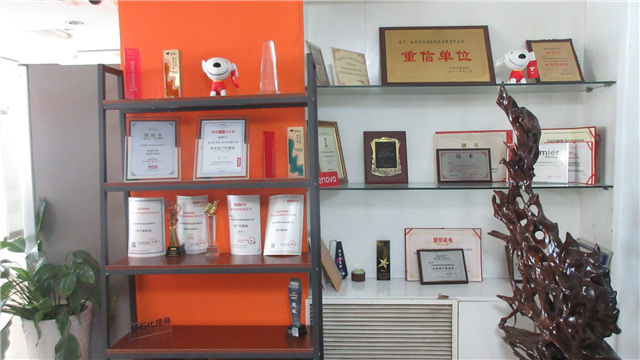
CE compliance is not a single certification badge but rather a complex system of standards that a manufacturer must target during initial hardware design. For spatial computing infrastructures, several specific directives must be met:
1. Electromagnetic Compatibility (EMC Directive 2014/30/EU): Industrial environments contain complex machinery that produces high radio frequency noise. All network hardware and edge computing nodes must be shielded dynamically. They must not emit electromagnetic radiation that could interfere with local production robots, and they must have a high level of intrinsic immunity to external electrostatic discharges (ESD) and power line surges.
2. Low Voltage Directive (LVD 2014/35/EU): This directive applies to all equipment with a voltage rating of between 50 and 1000 V AC and 75 and 1500 V DC. It regulates physical safety, ensuring that power supplies, internal wiring, and rack designs are structurally isolated to prevent risk of electrical shock or fire hazards.
3. RoHS Compliance (Directive 2011/65/EU): Ensuring that electronic systems do not use hazardous chemicals during manufacture. This restriction applies to all printed circuit board trace finishes, components, and solders to prevent the accumulation of toxic substances in industrial assembly areas.
Providing technical answers for infrastructure administrators planning spatial computing deployments.
A comprehensive suite of networking switches, high-density server configurations, and system-level manufacturing equipment supporting complete workflow reliability.
 Nexus AI Server