In an era where digital operations form the backbone of global commerce, unplanned downtime has transitioned from a minor operational bottleneck to a catastrophic business risk. According to industry analyses, a single hour of critical infrastructure downtime can cost enterprise organizations upwards of $300,000, with specialized transaction environments sustaining damage orders of magnitude greater. Modern Disaster Recovery (DR) methodologies have evolved past simple weekly tape backups. Today's environments mandate real-time, active-active data replication, zero-RTO (Recovery Time Objective) virtualization clusters, and dynamic failover routing systems.
At the core of these software-defined disaster recovery platforms lies a foundation of highly specialized, fault-tolerant physical hardware. Enterprises cannot achieve high availability without robust compute, switching, and storage structures that can absorb load spikes and maintain throughput under failover conditions. As organizations audit their hardware pipelines, China's manufacturing sector has emerged as the premier source of custom, high-reliability server frameworks, networking appliances, and storage sub-assemblies. Leveraging state-of-the-art manufacturing hubs, high-grade Quality Assurance systems, and deep vertical integration, Chinese DR hardware suppliers provide the reliable processing foundations needed to keep global businesses running during unforeseen disruptions.
Disaster recovery planning traditionally gauges performance on two primary metrics: Recovery Point Objective (RPO) and Recovery Time Objective (RTO). RPO defines the maximum age of data that must be recovered from backup storage for normal operations to resume, while RTO defines the maximum tolerable duration of downtime before service restoration. Tightening these metrics from hours to sub-seconds requires specialized hardware interventions:
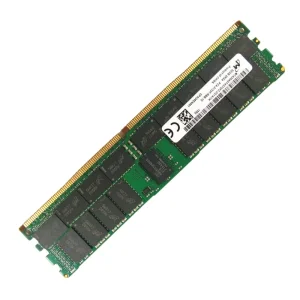
To minimize RPO, storage configurations must support continuous data protection (CDP). This demands massive memory pipelines capable of caching high-frequency transaction logs before flushing them to NVMe arrays. Servers must be equipped with enterprise-grade, low-latency, and error-correcting system memory, such as DDR4/DDR5 ECC RDIMMs, to ensure data replication paths remain free of bit-flip corruption.
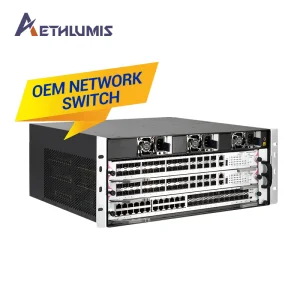
To minimize RTO, the network fabric must instantly redirect traffic to backup clusters. This transition is mediated by Layer 3 core switches capable of processing high-volume routing tables (using OSPF, BGP, and MPLS protocol stacks) with multi-terabit switching capacities. Standard network interfaces fail under the burst loads of sudden failovers; hence, enterprise environments require stackable switches with redundant power systems and high-throughput backplanes to maintain continuity.
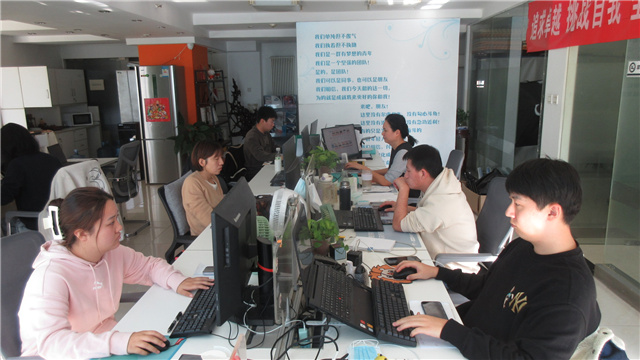
Procuring disaster recovery hardware demands strict verification of manufacturing processes, material tracing, and system testing. The integration of high-density computing components requires a verified manufacturing framework. The following data presents the verified capabilities of our production facilities, highlighting over two decades of technical expertise.
Enterprise IT purchasing managers face a complex balancing act: acquiring high-performance equipment with strict fault tolerances while controlling capital expenditures (CAPEX). China's industrial ecosystem offers a compelling solution through several distinct manufacturing advantages:
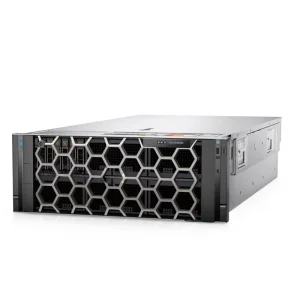
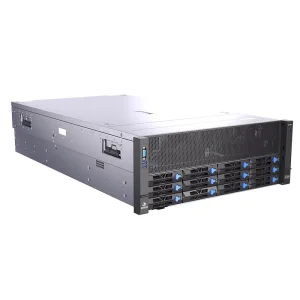
The manufacturing corridors of Guangdong, Jiangsu, and Zhejiang house the highest density of component suppliers in the world. From bare PCB fabrication and semiconductor packaging to sheet-metal chassis stamping and power supply manufacturing, every step of the server build cycle occurs within tight geographic clusters. This proximity reduces transit times for sub-assemblies and isolates the supply chain from global logistics delays. When configuring complex servers (such as a 4U GPU rack server for AI workloads), Chinese factories can quickly source, assemble, and validate components—including storage backplanes, memory modules, and specialized cooling blocks—more rapidly than regional competitors.
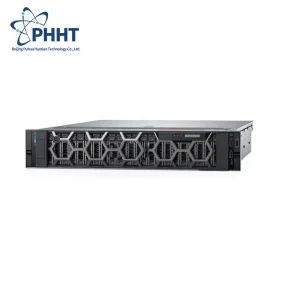
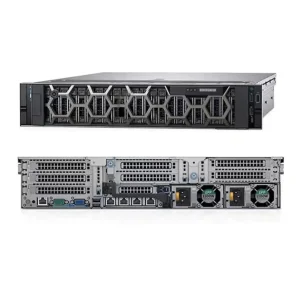
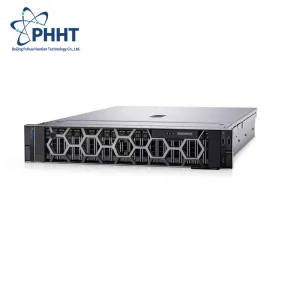
Off-the-shelf hardware rarely aligns perfectly with customized enterprise virtualization architectures. Chinese suppliers specialize in BTO (Built-to-Order) and CTO (Configured-to-Order) services, allowing clients to dictate the exact hardware mix needed for their recovery environments. Whether you require a used, cost-effective virtualization hub (such as the PowerEdge R740XD) optimized with extra flash tiers, or an high-performance AMD EPYC platform paired with dual redundant power supplies and custom L3 switches, Chinese engineers can tailor the configuration at the BIOS, firmware, and physical level.
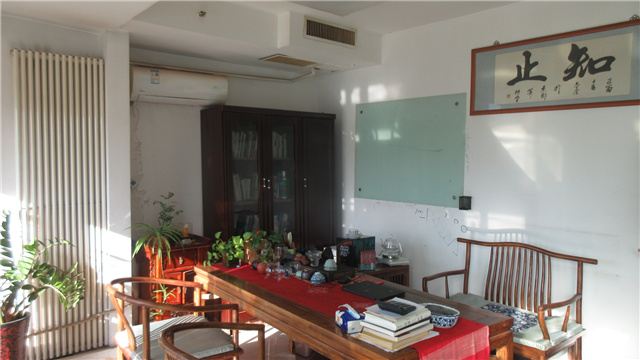
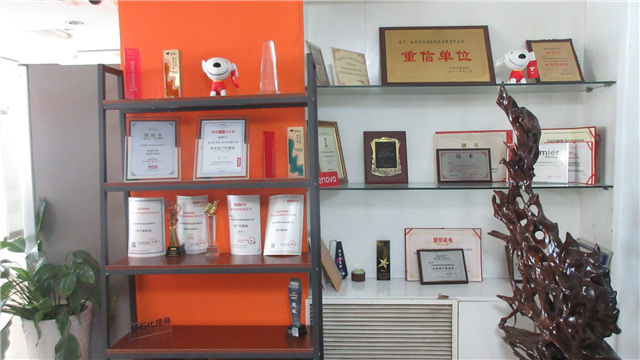
Modern enterprise buyers require transparent, auditable quality control pipelines. Chinese manufacturers have responded by implementing detailed quality standards. For instance, our facility mandates 100% inspection of all products before packaging and dispatch. By maintaining complete traceability of raw materials, we ensure that every capacitor, memory die, and fiber-optic transceiver meets international specifications. This prevents infant-mortality failures in field-deployed equipment, giving enterprise buyers confidence that their failover nodes will initialize reliably during emergencies.
Building a resilient disaster recovery site requires selecting hardware that matches the workloads of the primary data center. An mismatched architecture will bottleneck operations, increase latency, and potentially crash during database sync cycles. Below is an engineering overview of key hardware classes:
During a disaster recovery event, networking equipment must handle sudden, massive shifts in traffic. Managed L3 switches act as traffic directors, routing data between primary sites, collocated replication targets, and cloud repositories. A key performance metric is backplane switching capacity, which can reach up to 1.47Tbps with forwarding rates exceeding 1100Mpps.
Features like stackability allow multiple switch chassis to operate as a single virtual system, simplifying management and providing built-in link redundancy. Dynamic routing support for OSPF (Open Shortest Path First) and BGP (Border Gateway Protocol) ensures that if a primary network path fails, routing tables automatically update to route traffic to the backup site within milliseconds.
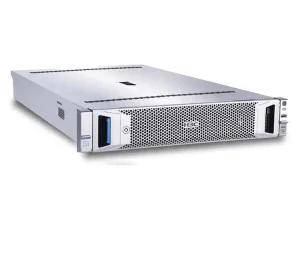
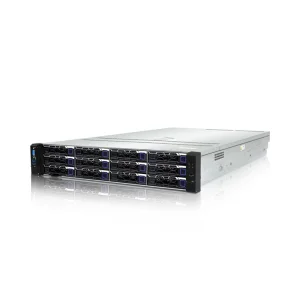
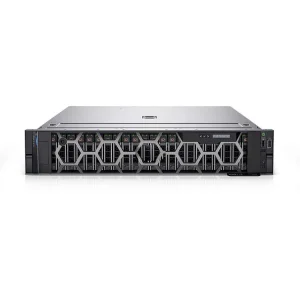
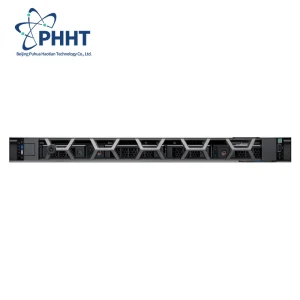
A disaster recovery site must handle the processing demands of your production systems. Rack servers designed for virtualization (such as 1U and 2U Dual Xeon or AMD EPYC platforms) provide high compute density per rack unit. High-density designs allow organizations to pack more CPU cores and memory channels into smaller physical footprints, lowering colocation hosting costs.
Furthermore, the rise of AI and machine learning workloads has made GPU-capable servers (supporting enterprise GPUs like the RTX 4080/4090 or dedicated accelerator cards) critical for modern recovery plans. During a failover, these servers ensure that both standard applications and AI-driven data pipelines, predictive models, and customer-facing intelligence suites remain online.
Database replication is highly sensitive to memory corruption. ECC (Error-Correcting Code) RDIMMs detect and correct single-bit memory errors on the fly. Without ECC memory, a single bit-flip can corrupt database indexes during replication, rendering the backup database unreadable when needed most. Standardizing on high-speed DDR4 or DDR5 ECC memory running at 3200MHz helps maintain data integrity across backup pools.
To illustrate the real-world application of disaster recovery hardware, we analyze the deployment topologies used by three primary categories of global procurement managers:
A multinational banking firm operating in North America required a redundant network layout with a near-zero RPO. The primary challenge was replicating transaction databases across a 100-mile span without introducing latency.
The solution utilized stackable, dual-power L3 managed core switches configured with 10Gbps dedicated fiber interfaces. This was supported by 2U rack servers equipped with high-frequency DDR5 ECC memory to handle real-time data syncs. The result was a zero-data-loss backup architecture that automatically diverts transaction traffic if a primary data center goes offline.
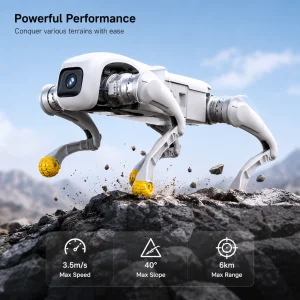
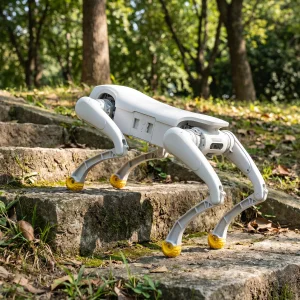
A smart manufacturing facility utilizing bionic quadruped robot dogs for site inspection and automated sorting needed an edge backup solution. If the central control servers lost connectivity, the robots would lose telemetry, posing safety risks and halting production lines.
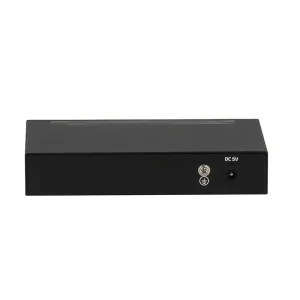
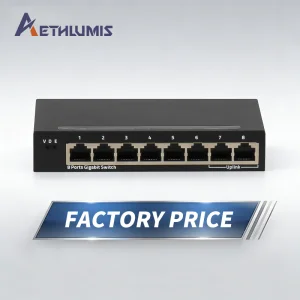
Engineers deployed high-performance 4U rack servers running virtualized backup instances of the AI control models locally. This was paired with 8-port gigabit switches featuring built-in VLAN isolation to separate robot telemetry from standard office network traffic. If connection to the main cloud data center drops, control shifts locally to the edge rack servers, ensuring continuous robotic operations.
A regional municipality required a cost-effective, secure disaster recovery platform to host municipal services, public utilities, and educational portals. Budget constraints required balancing new equipment purchases with refurbished, high-spec components.
The solution combined new high-performance compute servers for core databases with refurbished servers (like the PowerEdge R740XD) for warm storage and general virtualization duties. This hybrid hardware strategy met municipal budget limits while providing the hardware redundancy needed to survive local power or network outages.
Find technical insights and purchasing guidance regarding disaster recovery hardware sourced from Chinese suppliers.
 Nexus AI Server