Pioneering edge hardware, carrier-grade network switches, and ultra-high-density AI virtualization servers designed to host high-concurrency SIP gateways, media engines, and PBX switches.
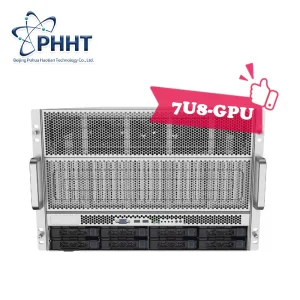
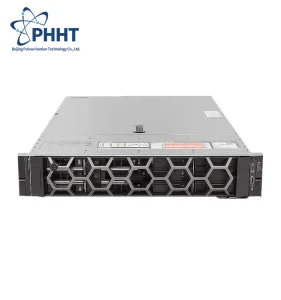
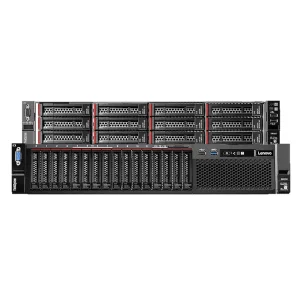
The global telecommunication ecosystem is undergoing a seismic shift. Traditional Session Initiation Protocol (SIP) routing, private branch exchanges (PBX), and Voice over Internet Protocol (VoIP) gateways are no longer standalone hardware appliances. Modern enterprise communications demand hyper-scalable, virtualization-ready hosting platforms that integrate artificial intelligence, noise-cancellation algorithms, real-time voice translation, and high-density media transcoding.
As a leading exporter of cutting-edge hardware, we act as the foundational pipeline for global telecom operators, service providers, and large enterprises. We bridge the gap between classic SIP connectivity and the modern AI data center. By exporting highly customized 2U/7U rack servers, enterprise-grade PoE switches, and network termination controllers, we guarantee that your underlying communication fabric maintains ultra-low latency, robust jitter buffering, and maximum concurrent call capacity (BHCC).
"True communication resilience lies at the intersection of robust Ethernet delivery (PoE Switch Networks) and raw compute intelligence (GPU/CPU Co-Processing Servers). We provide the hardware backbone that translates voice packets into actionable data streams in real time."
Analyses of emerging technologies reshaping business-to-business communications, WebRTC protocols, and hardware requirements.
Voice channels are rapidly integrating Conversational AI. Modern virtual assistants and automated IVR systems process vast quantities of raw voice audio. This requires backend GPU-accelerated computing nodes, like the AMD EPYC and Intel Xeon Scalable clusters, to perform real-time speech-to-text (STT) and natural language understanding (NLU) with sub-100ms latency.
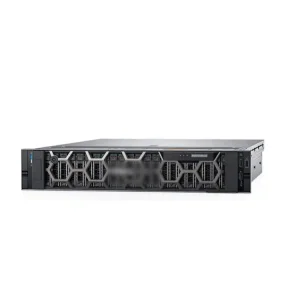
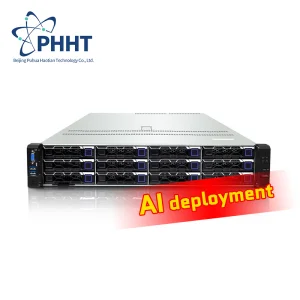
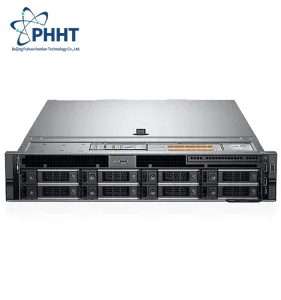
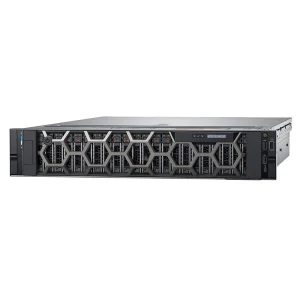
Traditional hardware PBXs are giving way to virtualization and containerized softswitches (e.g., FreeSWITCH, Asterisk running inside Docker/Kubernetes). This shift places a premium on computing density. 2U rack servers with high-core counts (such as Dell R750/R760 series) act as host environments for thousands of concurrent SIP endpoints.
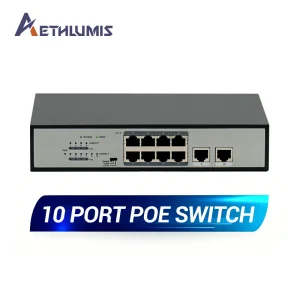
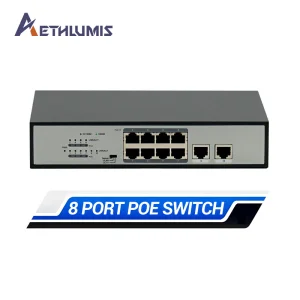
VoIP deployment relies heavily on robust terminal distribution. High-density PoE switches are essential to supply power and high-speed data transmission to IP phones, IP cameras, and local VoIP paging gateways. Implementing switches with internal power delivery (up to 120W per unit) and 6KV lightning protection eliminates the need for separate electrical cabling.
How our tailored network engineering services and deep manufacturing integration satisfy complex international procurement requirements.
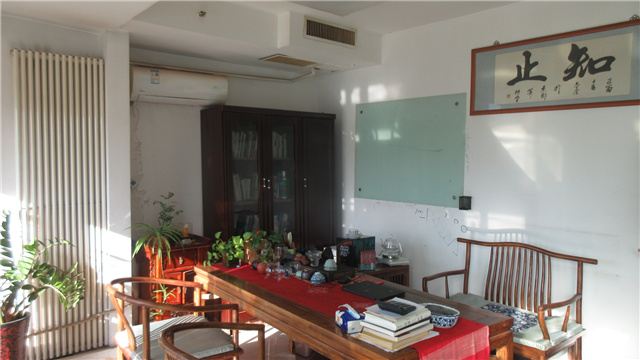
For global buyers, purchasing telecom and server hardware from overseas presents real challenges: equipment stability, compliance certifications, hardware configuration compatibility, and post-sales technical support. Over the past 21 years in the industry, we have built a rigorous quality management architecture tailored to address these concerns.
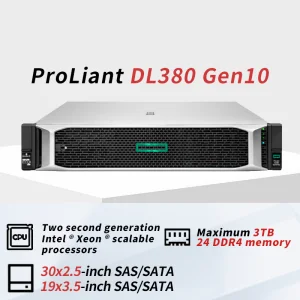
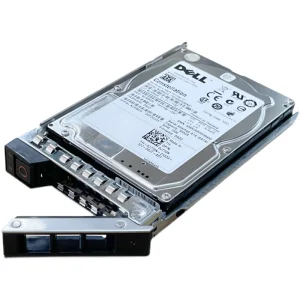
Every single server, switch, and processing node we export undergoes 100% inspection before shipment. We provide full hardware traceability for our raw materials and system components. Whether you require tailored storage arrays on Dell PowerEdge configurations, specialized firmware configurations on HPE ProLiant boards, or VLAN-isolated PoE networks, our engineering team constructs and validates your exact technical configuration prior to dispatch.
A proven track record of delivering telecom assets, network switches, and compute nodes to systems integrators and enterprise end-users worldwide.
| Manufacturer Operational Capabilities & Technical Profile | |
|---|---|
| Company Registration Date | 2003-07-10 (Over 21 Years of Stable Operations) |
| Operational Facility Floor Space | 120 Square Meters (Dedicated Advanced Hardware Assembly & Customization Lab) |
| Primary Export Languages Supported | English (Highly proficient technical communication for global system deployments) |
| Quality Control (QC) Protocols | Comprehensive inspection of all products on production lines; Raw materials traceability verified. |
| Global Market Distribution | Domestic Market (50%), Eastern Europe (20%), North America (15%), and worldwide networks. |
| Main Client Types Supported | Brand Businesses, IT Retailers, Telecom Engineers, Hardware Wholesalers, Manufacturers, and Enterprise Private Clouds. |
| R&D and Customization Options | Sample processing, graphic customization, customized configuration on demand (HDD, CPU, RAM, Network Interfaces). |
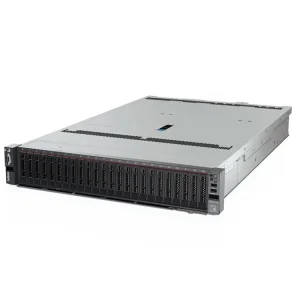
Session Border Controllers require immense processing power to police SIP packets, translate headers, handle media pinning, and safeguard VoIP networks from Distributed Denial of Service (DDoS) attacks. Deploying dual-processor rack servers (such as AMD EPYC scalable systems or Dell R760 platforms) allows operators to scale softswitch deployments dynamically while preserving line-rate processing speeds.
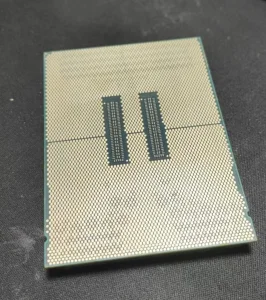
Transcoding audio between G.711, G.729, Opus, and AMR codecs is computationally intensive. Modern unified communications rely on servers equipped with specialized Xeon Gold processors or GPU units to manage real-time voice translation, packet loss concealment (PLC), and active background noise suppression.
VoIP IP Phone deployments depend heavily on the local network infrastructure. By utilizing Gigabit PoE Switches with built-in 120W power supplies, businesses can connect and power up to 8 IP phones or endpoints per switch. Features like VLAN Isolation isolate voice traffic from standard data lines, preventing packet collisions, minimizing latency, and preserving call quality.
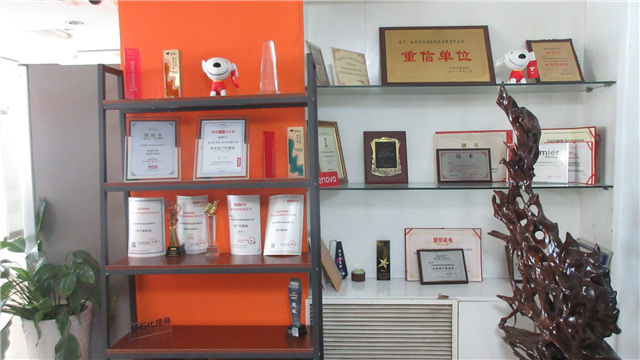
As telecom networks transition to virtualized models, hardware compliance with global standardizations (such as FCC Part 68, CE, RoHS, and UL electrical certifications) is essential. Our hardware configurations are fully audited to ensure compliance with the electrical standards of both North American and European markets.
We are actively developing and preparing next-generation hardware pipelines to meet the demands of emerging telecommunication frameworks:
Addressing technical, operational, and shipping questions for international procurement managers.
Complete your communication pipeline with high-throughput PoE switches, modular server components, and enterprise servers.

 Nexus AI Server