High-performance processing systems designed for complex data analysis, high-density AI modeling, and enterprise backbone networking.
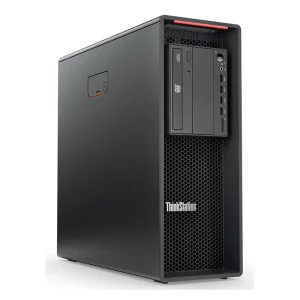
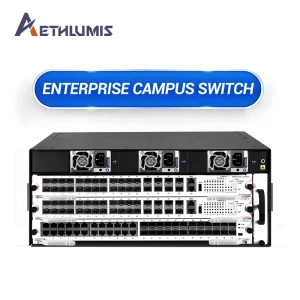
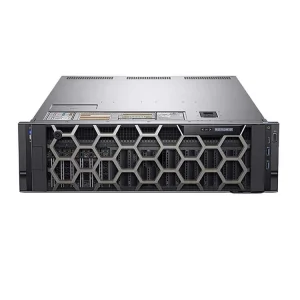
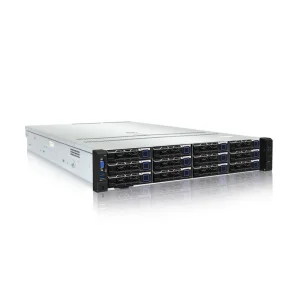
In the modern digital economy, data is no longer just a byproduct of operations; it is the core asset driving corporate strategy. The architecture supporting this asset must be resilient, scalable, and ultra-high-performing. Historically, Big Data focused on software frameworks like Hadoop and Spark. Today, hardware-software co-design has emerged as the definitive path forward. High-performance processors, multi-GPU systems, ultra-fast L3 managed core switches, and enterprise-grade NAS arrays form the bedrock of successful AI, Deep Learning, and petabyte-scale analytics projects.
As an industry-leading manufacturer with 21 years of specialized heritage (since 2003), we recognize that selecting the right Big Data hardware supplier is a critical decision. It impacts compute density, thermal design efficiency, data security, and long-term operating costs (TCO). This comprehensive report outlines the global supplier landscape, technical directions, and supply chain strategies crucial for modern enterprise procurement officers.
Choosing the correct supplier requires evaluating scale, customization flexibility, quality systems, and regional logistics compliance. Here is an objective assessment of the top 10 hardware and infrastructure suppliers fueling the global Big Data revolution:
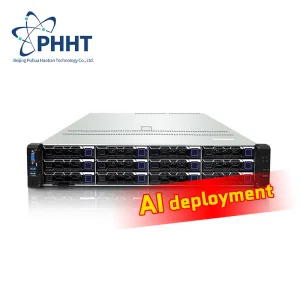
Market leaders in standard 1U/2U rack servers and large-scale SAN storage systems. Ideal for traditional enterprises seeking extensive global support networks but constrained by premium pricing and structured SKU lists that limit custom GPU configurations.
Specialized factories (such as our 2003-established operation) offering bespoke configuration pipelines. We provide direct customization from BIOS modifications to specialized PCI-e riser routing, serving brand businesses and engineering integrators with rapid turnaround times.
Suppliers catering directly to AWS, Azure, and Google Cloud Platform. They prioritize bare-metal boards and modular chassis designed for massive cloud deployments, with high minimum order quantities (MOQs) that exclude typical private cloud operators.
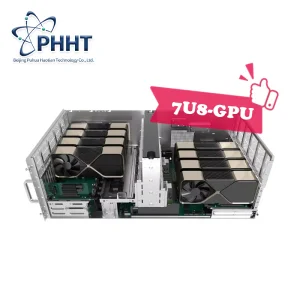
Focused exclusively on GPU-dense configurations (8-way, 16-way accelerators). They push the limits of thermal dissipation and power management, delivering system architectures ready for complex transformer-based deep learning workflows.
Engineered for cold, warm, and hot tiering. These manufacturers specialize in high-density 2U to 4U JBOD/EBOD arrays, emphasizing NVMe-over-Fabrics (NVMe-oF) architectures to eliminate input/output bottlenecks in large database setups.
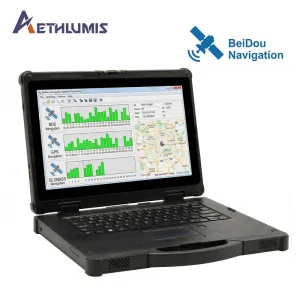
Suppliers of IP65-rated rugged laptops, tablets, and fanless DIN-rail systems. They bring computational power directly to field sites, oil rigs, and smart factories where ambient temperatures and vibration would instantly destroy typical commercial hardware.
Focusing on high-performance switches (managed L3 switches, OSPF/BGP/MPLS, and InfiniBand). These systems prevent network congestion and packet loss from stalling multi-node distributed compute runs.
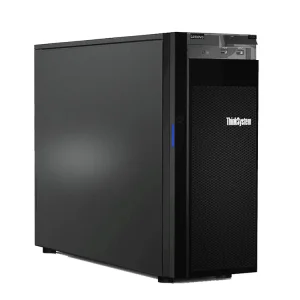
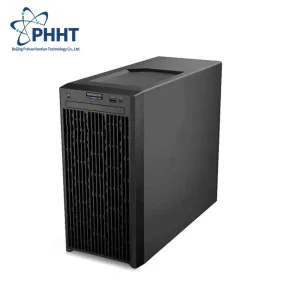
Suppliers of Xeon/Threadripper-powered tower workstations. Designed for local data science prototyping, CAD modeling, and real-time visualization before models are scaled up to multi-node data center clusters.
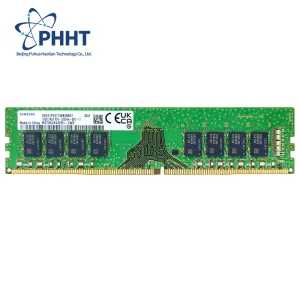
Top tier producers of ECC DDR4, DDR5, and Enterprise SSDs. Their engineering focuses on silicon-level error correction (ECC) to prevent data corruption during massive in-memory analytics operations.
Producers of bionic quadruped systems and specialized edge AI chips, driving robotic process automation and physical data collection in harsh, dangerous, or highly automated environments.
The hardware driving big data is undergoing rapid evolutionary shifts. Procurement teams must plan for these upcoming technologies to avoid building obsolete data centers:
Traditional architectural boundaries between CPU, GPU, and RAM are fading. With CXL 2.0 and 3.0, memory pooling allows servers to share dynamic RAM resources dynamically. This reduces memory overhead, drastically cuts server acquisition costs, and eliminates the latency overhead associated with swapping data to local storage pools.
Modern processors and advanced AI GPUs are pushing Thermal Design Power (TDP) thresholds beyond 400W-700W per chip. Traditional air cooling is reaching its physical limits in multi-GPU configurations. The industry roadmap points decisively toward direct-to-chip (D2C) liquid cooling, rear-door heat exchangers, and immersion cooling, forcing data center architectures to redesign their power and cooling distributions.
PCIe 5.0 and the emerging PCIe 6.0 interfaces double the bandwidth of previous generations. This enables NVMe storage arrays and multi-gigabit NICs to feed processors without creating I/O choke points. Data centers will increasingly deploy DDR5 memory with on-die ECC to ensure stable operations for multi-petabyte analytics workloads.
As data sets contain highly sensitive personal and financial identifiers, security must be embedded directly into the silicon. Future systems will feature Hardware Root-of-Trust (RoT), secure boot protocols, and real-time memory encryption (TME-MK) to protect data both in transit and actively loaded in system RAM.
Modern manufacturing in China has moved beyond high-volume replication to advanced automated engineering. Implementing Industry 4.0 principles ensures our products feature precise structural builds, long-term operational stability, and rapid turnaround times.
By integrating specialized production management systems, component traceability, and automated optical inspection (AOI), we maintain strict quality standards. This rigorous control allows us to provide cost-effective solutions while matching or exceeding the performance metrics of major global brands.
Our 21-year manufacturing history (established in 2003) enables us to build a highly responsive raw material supply network. We source Grade-A silicon and key circuit components directly, shielding our global clients from component shortages and volatile price spikes.
Hardware requirements vary dramatically across different industrial sectors. Our custom architectures are engineered to meet the unique computational challenges of several key industries:
High-frequency trading and risk assessment models demand low latency. We deploy managed L3 switches alongside multi-processor systems to handle millions of transactions per second without data loss or delays.
DNA sequencing yields petabytes of unstructured text files. We design high-speed GPU storage networks to process gene assemblies rapidly, cutting down compute runtimes from weeks to hours.
Processing edge sensor arrays, camera feeds, and automated traffic systems. Our rugged outdoor compute units act as local analytics nodes, minimizing data transfer to central servers.
Deploying enterprise computing hardware globally requires strict adherence to international safety and electrical directives. Non-compliant hardware risks seizure at customs, major insurance issues, and workplace safety violations.
Our products meet key international standards, including CE, FCC, RoHS, and UL certification. Each server chassis, power distributor, and core switch undergoes thorough electrical isolation testing to ensure stability in various industrial environments.
We provide localization services that customize power supply configurations (110V/220V dual phase, high-voltage DC) and custom BIOS configurations in English. This ensures your systems arrive ready to integrate into your existing data center racks.
When evaluating high-performance computing hardware, purchasing teams should look beyond unit prices and assess these technical operational standards:
Evaluate servers using Platinum or Titanium-rated power supplies (up to 96% efficiency). Efficient power delivery lowers utility bills and cuts cooling overhead in high-density rack setups.
Verify that all nodes include standard IPMI 2.0 or Redfish-compliant controllers. This allows remote IT teams to monitor system health, update firmware, and power cycle servers anywhere in the world.
Prioritize toolless tool-free chassis rails, hot-swappable fans, and hot-swap drive bays. Fast component access keeps repair times (MTTR) low and ensures high operational uptime.
We address common technical inquiries from infrastructure engineers and system architects regarding product selection, custom builds, and operational stability.
A1: Our L3 switches support dynamic routing protocols like OSPF and BGP, along with large packet buffers. They process routing tables at the hardware level (up to 1104Mpps forwarding rate). This reduces CPU load, prevents queue overflows, and guarantees low-latency packet delivery for large-scale clustered computing.
A2: Traceability ensures that every component—from capacitors to memory chips—comes from certified, high-grade silicon runs. This helps avoid counterfeit components, keeps system MTBF (Mean Time Between Failures) high, and ensures predictable power draw across large deployments.
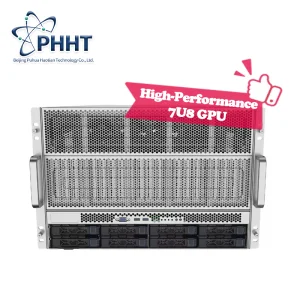
A3: Our 2U and 7U GPU servers use high-airflow cooling walls with redundant, speed-controlled fans. Air channels are optimized around PCIe slots, and we offer liquid-loop options to manage high-TDP processors under continuous workloads.
A4: We provide comprehensive customization, including custom BIOS/UEFI settings, bespoke PCIe riser configurations for specific GPU lengths, custom chassis colorways, and tailored power supplies to match diverse international data center designs.
A view inside our testing facilities, assembly lines, and finished equipment racks. We maintain 100% QA inspection protocols on all outgoing hardware to guarantee reliable out-of-box performance.
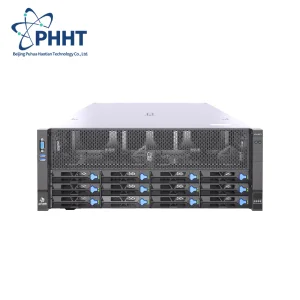
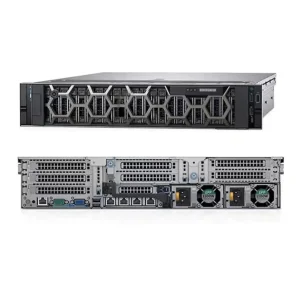
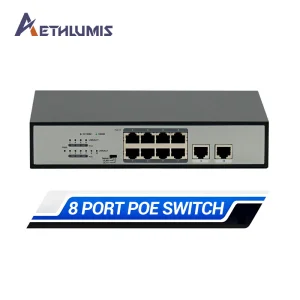
Explore our line of rackmount servers, network switches, rugged field computing gear, and enterprise-grade storage options.
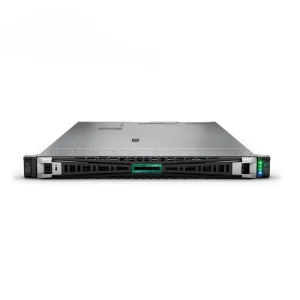

 Nexus AI Server