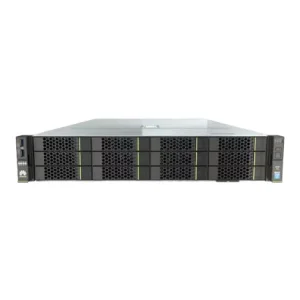
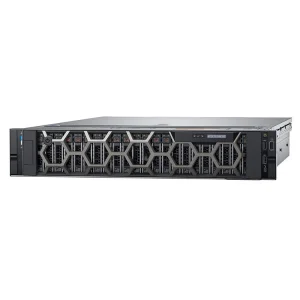
Melbourne has rapidly transformed into a major technology and research hub in the Southern Hemisphere. Driven by key tech precincts such as Cremorne, Docklands, and the Monash Technology Precinct, Victorian enterprises require ultra-stable, high-density CPU solutions. Local financial services, healthcare analytics, and advanced manufacturing sectors are shifting towards hyper-converged infrastructure, driving up demand for scalable processors.
For organizations deploying on-premise private clouds or managing colocation facilities in Victoria, the choice of CPU dictates not only server throughput but also operational expenditures. High-efficiency architectures such as Intel Xeon Scalable and AMD EPYC are essential for processing complex AI modeling and maintaining stable VM dense setups. We provide direct factory-to-exporter logistics pipelines to ensure Melbourne developers and system integrators experience minimal lead times and sustained supply security.
By bypassing multiple broker channels, we support regional tech infrastructures with direct factory diagnostics, full trace audits, and certified reliability benchmarks matching Victorian emission and data safety protocols.
Modern server platforms integrate specialized logic matrices directly onto the silicon wafer to accelerate workloads:
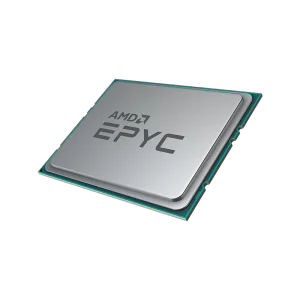
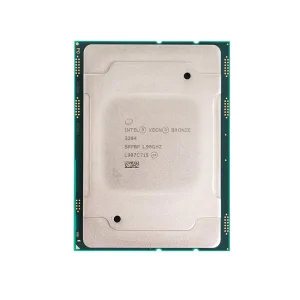
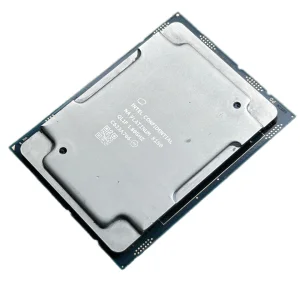
Choosing the correct technological path is critical for regional enterprises. For workloads emphasizing database transactions, virtual desktop density, and massive compute throughput, AMD EPYC processors (such as the 7001/7002/7003 series) scale core densities effectively. On the other hand, for applications relying heavily on memory subsystem throughput, AI vectorization, and deterministic single-threaded speeds, Intel Xeon Gold and Platinum Scalable platforms offer deep chipset maturity.
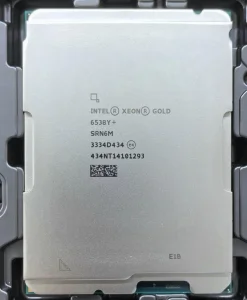
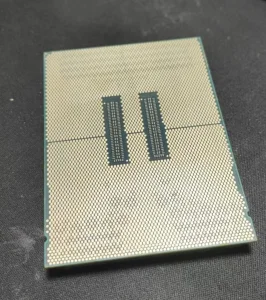
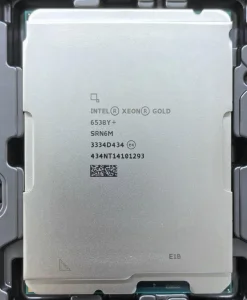
Furthermore, the transition to DDR5 architecture (e.g., Xeon Gold 6538Y+) provides a 50% increase in memory bandwidth compared to legacy platforms. This transition significantly mitigates bottlenecking risks in high-performance computing (HPC) research environments across Melbourne’s universities and academic institutes.
Optimized for high container density. Uses Intel Xeon Silver 4314 / 4309Y or AMD EPYC platforms to achieve balanced core-to-power metrics, decreasing total cost of ownership (TCO).
Requires matrix multiplication acceleration. Recommends Fourth Gen Xeon Scalable CPUs (e.g., Gold 5415 / 6438Y+) featuring built-in Intel AMX to process regional LLMs.
Requires massive L3 cache sizes and deterministic compute speed. Recommends Xeon Gold 6326 or dense Intel Platinum lineups to minimize transaction latency.
Established on July 10, 2003, our operations are built on reliable industrial hardware export experience. Serving global distributors, systems engineers, and data centers, our processes guarantee that every component is physically and logically verified before dispatch.
Our export routes securely cover the Domestic Market (50%), Eastern Europe (20%), and North America (15%), with specialized logistics networks servicing Melbourne. We cater to brand businesses, retailers, engineering integrators, wholesalers, and private developers.
Browse our production, testing facilities, and verified manufacturing lines below:
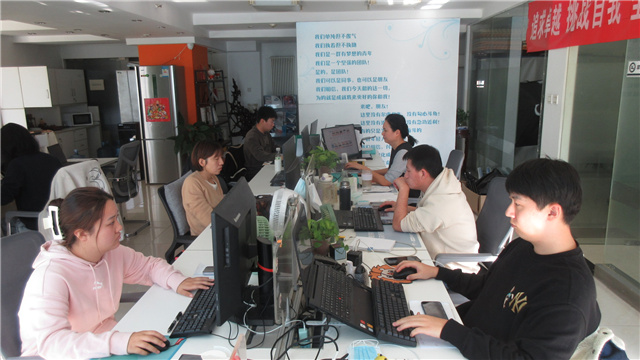
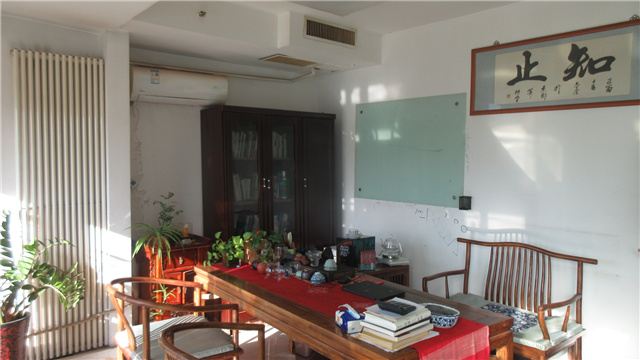
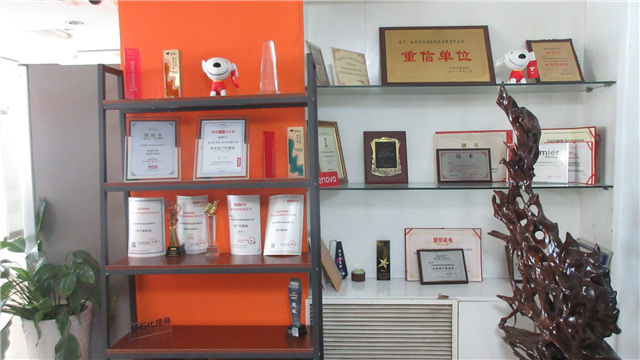
Exporters serving the Melbourne technology sector must satisfy stringent local compliance benchmarks. All silicon processors and pre-integrated server packages we supply are designed to pass RCM (Regulatory Compliance Mark) inspections and adhere to RoHS (Restriction of Hazardous Substances) requirements. By validating that components conform to AS/NZS electromagnetic compatibility thresholds, we prevent infrastructure downtime or administrative deployment delays.
Additionally, we work with specialized freight forwarders handling air and sea shipments directly to the Port of Melbourne or Tullamarine Airport. Secure shipping packaging protects against electrostatic discharge (ESD) and physical vibrations, ensuring that sensitive hardware arrives in ready-to-deploy condition.
CXL 2.0 and 3.0 technologies enable shared pools of high-speed memory between CPUs, GPUs, and custom accelerators. This architecture reduces data copy overheads and minimizes latency spikes in virtualized clusters.
Transitioning to sub-3nm nodes featuring advanced 3D packaging. These chips combine high-performance cores with energy-efficient modules on a single silicon substrate, offering tailored optimization for complex workloads.
As CPU thermal design power (TDP) matches or exceeds 350W-400W, systems are migrating towards hybrid cooling solutions. This shift helps Melbourne enterprise datacenters maintain stable operating temperatures.
We perform complete functional inspections on 100% of our production lines. Each CPU undergoes strict thermal testing, clock-stability verification, and memory channel connectivity sweeps. Full traceability reports and system log printouts are available upon request during the procurement phase.
Standard air-freight deliveries to Melbourne (Tullamarine) take between 5 to 10 business days after production verification, depending on customs clearances. Larger shipments using sea channels typically average 18 to 25 calendar days.
Yes. We support custom requests, including sample processing, custom graphic branding, and configuration tuning. Our R&D engineering team, consisting of graduate specialists, works directly with your technical layouts to align components with your targeted specifications.
DDR5 memory platforms support double the bandwidth compared to DDR4, scaling up to 4800 MT/s and above. It introduces on-die ECC (Error Correction Code) for enhanced stability under prolonged, heavy server utilization, making it suitable for modern virtualization clusters.
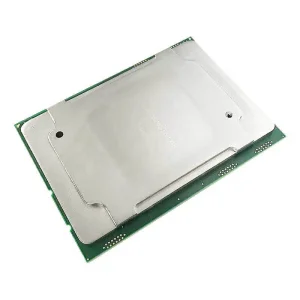
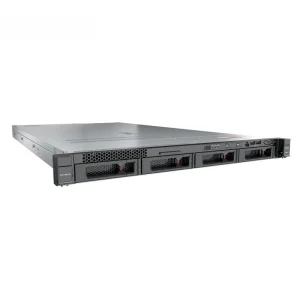
 Nexus AI Server