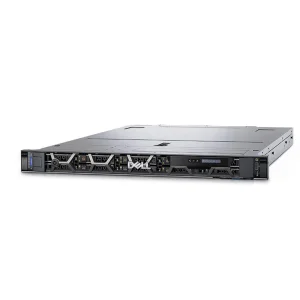
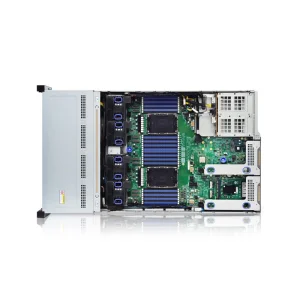
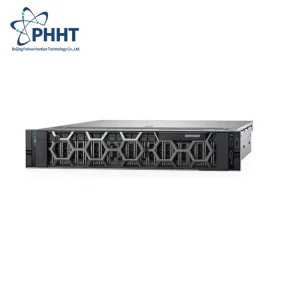
Pre-configured hyperconverged platforms designed to balance processing density, extreme scalability, and reliable virtualization for private cloud environments.
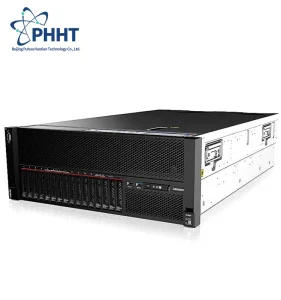
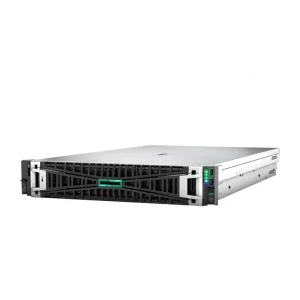
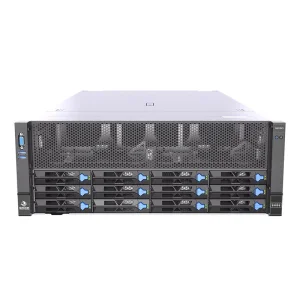
The Seoul Capital Area, including the high-tech hubs of Pangyo Techno Valley, Sangam Digital Media City (DMC), and the financial epicenter of Yeouido, is undergoing one of the fastest digital transformations globally. Driven by South Korea's aggressive national strategies in Artificial Intelligence, big data analytics, and smart city infrastructure, local enterprises are transitioning away from traditional siloed legacy architectures. As local cloud adoption accelerates, Hyperconverged Infrastructure (HCI) has emerged as the architectural standard of choice.
Real estate limitations and high power costs in modern urban districts like Gangnam place space-saving, power-efficient, and dense server setups at a premium. Organizations require systems that can scale compute, storage, and networking resources under a single software-defined pane. By consolidating these functions, local deployments achieve massive footprint reductions while ensuring low-latency data processing.
Furthermore, local regulatory compliance requirements under the South Korean Personal Information Protection Act (PIPA) and the Financial Services Commission (FSC) necessitate highly secure, localized private or hybrid cloud structures. In this environment, our customized HCI solutions offer the ideal architecture: delivering public-cloud-like scalability while keeping sensitive operations within the regulatory boundaries of on-premise hardware.
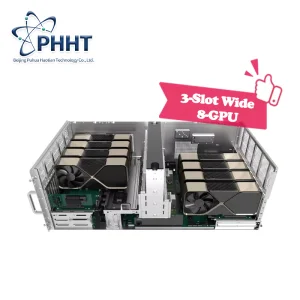
Optimized for deep learning, local LLM training, high-capacity databases, and network backplane coordination.
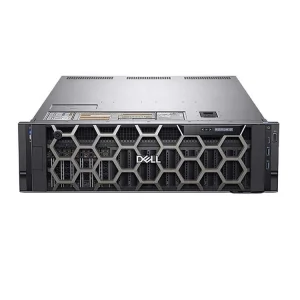
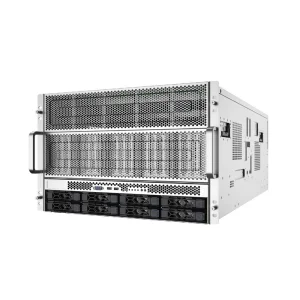
The global HCI market has advanced far beyond simple storage virtualization. As enterprises scale outward, several prominent architectural trends shape hardware purchasing strategies:
Modern HCI forms the foundational layer of hybrid clouds. Software-defined storage (SDS) and compute (SDC) integrate directly with hyperscale public clouds, permitting seamless VM mobility, dynamic container clustering, and automated off-site disaster recovery.
With GPU integration becoming mainstream, modern HCI platforms are no longer restricted to running light microservices. Modern high-density nodes now support multi-GPU pipelines, hosting local LLM inference engines and machine learning pipelines side-by-side with database clusters.
The transition to NVMe-oF (NVMe over Fabrics) and highly optimized PCIe Gen5 lanes ensures that data transport bottlenecks within clustering setups are minimized, unlocking extreme throughput for transactional enterprise software.
Operating from our state-of-the-art manufacturing facility established in **2003 (with 21 years of deep industry expertise)**, we utilize advanced Industry 4.0 processes to design, configure, and inspect server hardware. Our facility integrates automated testing rigs, precision assembly equipment, and direct component sourcing channels to assure structural quality control and high-performance server delivery.
For Seoul-based engineering teams and purchasing directors, partnering directly with a regional manufacturer offers significant logistical advantages. With our factory located strategically in the regional supply chain hub, we support a rapid 24-hour logistics turnaround across the Yellow Sea, cutting procurement lead times compared to Western assembly networks.
Our manufacturing paradigm supports absolute **BTO (Build-to-Order) and CTO (Configure-to-Order)** versatility. Whether your cluster requires specialized high-frequency AMD EPYC architectures, multi-GPU nodes, or high-capacity hybrid arrays, our team of **3 graduate R&D engineers** translates your exact hardware specifications into ready-to-rack solutions.
Under our strict quality guidelines, we enforce a **100% inspection policy** across all production lines. Every single component is tracked with raw material traceability, verified for signal integrity, subjected to thermal stress testing, and pre-burn-in configured prior to custom packaging and export.
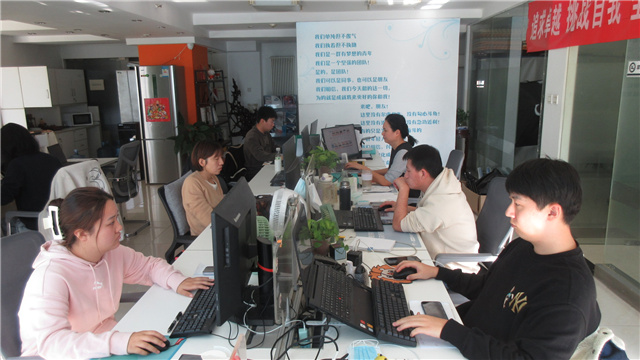
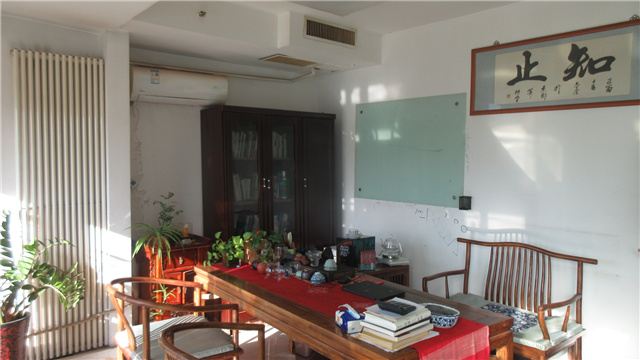
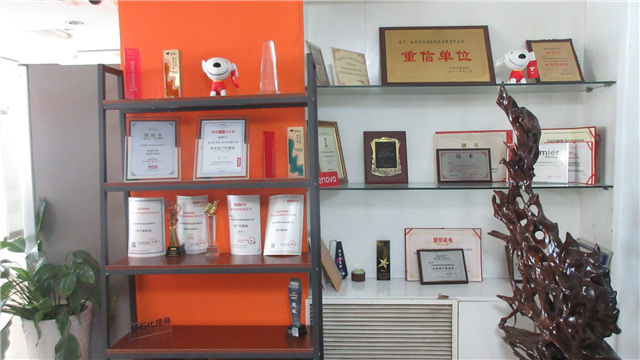
Our verifiable operational indicators reflect our absolute dedication to professional hardware engineering and international logistics compliance:
| Performance Dimension | Capability & Quality Standards |
|---|---|
| Traceability | 100% full raw material traceability from component to finished unit. |
| Quality Control (QC) | 1 dedicated QA/QC inspector running mandatory pre-shipment stress testing on all product units. |
| Customization Scope | Custom graphic layouts, component-level processing (CTO), custom BIOS flashing, OEM/ODM chassis modifications. |
| Export Experience | Serving global clients across North America (15%), Eastern Europe (20%), and Domestic regional markets (50%). |
| Client Archetypes Supported | System Integrators, Regional Wholesalers, Datacenter Engineers, Brand Retailers, and Custom Enterprise Deployments. |
Our HCI hardware platforms are designed to address the specific deployment workloads typical of the metropolitan South Korean enterprise sphere:
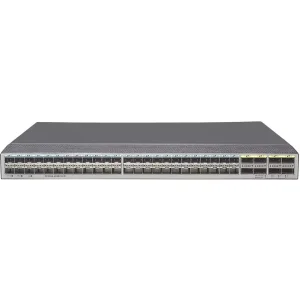
The financial sector demands extreme write speeds, zero data loss risks, and ultra-low latency compute layers. By clustering our dual Xeon and AMD EPYC systems using high-speed SAS/SATA SSDs and 25G/100G network switches, financial institutions in Seoul can achieve the high IOPS necessary for database virtualization, transaction processing, and localized algorithmic risk modeling.
Smart factories and research parks in Gyeonggi-do rely on edge HCI deployment to process sensor arrays, robotics feedback, and local assembly telemetry. These installations require compact, robust, high-performance computing nodes that process locally to minimize outbound public cloud bandwidth costs while safeguarding intellectual property on-site.
Under the municipal directives for smart transportation, AI traffic coordination, and municipal safety systems, our hyperconverged server lines provide public sector system administrators with the modular scaling necessary to process multi-channel video feeds and IoT telemetry under open-source hypervisor environments.
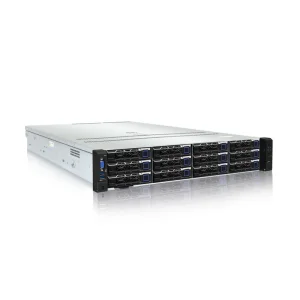
Healthcare hubs in Seoul require reliable, high-capacity, on-site storage nodes to manage medical imaging (PACS) and patient databases. Our storage-heavy configurations, equipped with hot-swap SAS/SATA bays, offer high storage density coupled with strict system reliability.
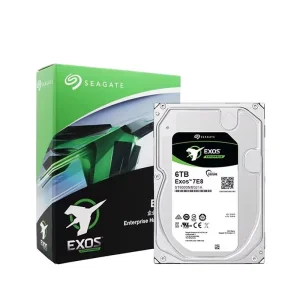
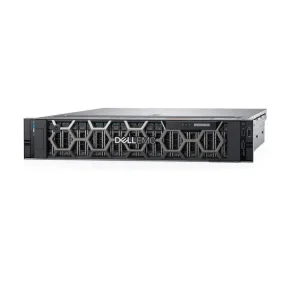
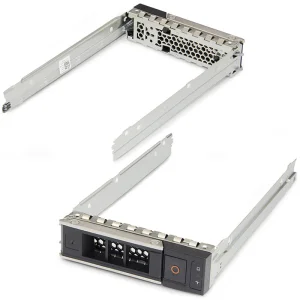
Essential hyperconverged components, high-density drives, and interconnect solutions to complete your infrastructure stack.
Expert answers addressing the practical, technical, and logistical concerns of engineering leads and procurement departments targeting South Korean deployments.
Consult with our structural engineering team today to design, configure, and source hyperconverged server infrastructure tailored to your localized latency, storage density, and budget targets.
Send Inquiry Now Nexus AI Server