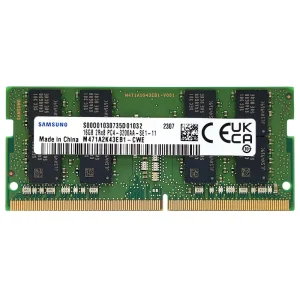
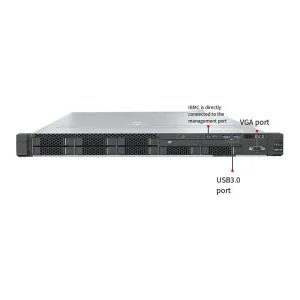
Optimized RAM configurations recommended for Pakistan’s enterprise cloud servers and workstation fleets.
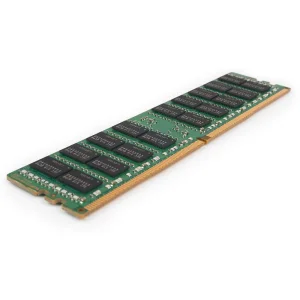
Pakistan's technological ecosystem is undergoing an unprecedented digital overhaul. Driven by large-scale national infrastructure initiatives, including the China-Pakistan Economic Corridor (CPEC) integration, the modernization of local telecommunications networks, and the fast-evolving private cloud computing centers in Karachi, Lahore, and Islamabad, the demand for enterprise-grade hardware has surged exponentially. For local enterprises, internet service providers (ISPs), and government hubs, sourcing reliable Random Access Memory (RAM) directly from an authorized manufacturer is no longer just a purchasing decision—it is a critical strategy to ensure network continuity and computational resilience.
Unlike consumer-grade upgrades, industrial and enterprise applications within Pakistan require memory modules that can withstand severe environments, localized power fluctuations, and intense computational loads. System integrators across the country face unique challenges: high ambient operating temperatures in southern provinces, variable grid reliability, and the urgent necessity to upgrade legacy DDR3 or DDR4 systems while budgeting for next-generation DDR5 installations.
In local deployment zones such as Sindh and Punjab, computing systems frequently encounter elevated ambient temperatures. Thermal stress degrades semiconductor stability, inducing bit-flips and silent data corruption within unbuffered systems. As an experienced RAM manufacturer, we address this localized issue by designing and testing our modules with industrial-grade heat spreaders and incorporating high-dielectric PCBs.
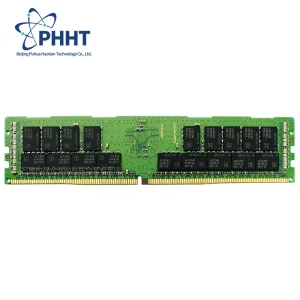
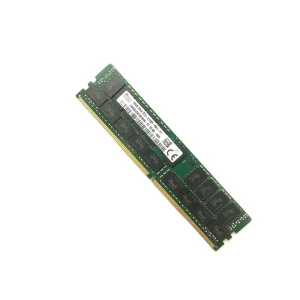
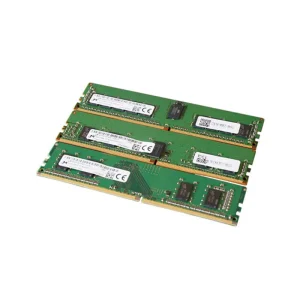
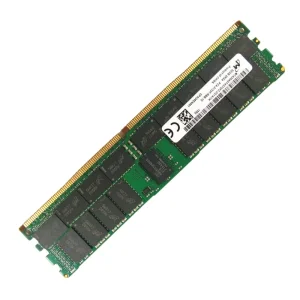
Furthermore, our ECC (Error-Correcting Code) Registered modules are engineered with advanced algorithms to detect and correct single-bit memory errors. This feature is crucial for financial entities and telecommunication towers located across rural networks in Pakistan, where remote diagnostics and hardware replacements are costly and time-consuming.
The global memory architecture is accelerating toward high-frequency, low-voltage DDR5 interfaces. However, the Pakistani hardware landscape exhibits a hybrid profile. Large public institutions, banking servers, and educational infrastructures continue to rely heavily on legacy platforms using DDR2, DDR3, and standard DDR4 formats. A complete infrastructure rebuild is financially unfeasible for many, which makes backward compatibility and a steady supply of legacy memory modules a critical operational requirement.
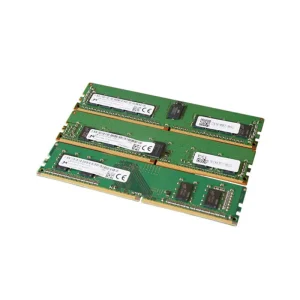
Maintaining long-term supplies for existing platforms. Delivering high-reliability DDR2 and DDR3 ECC Reg modules to keep legacy industrial machinery and servers operational without capital-intensive overhauls.
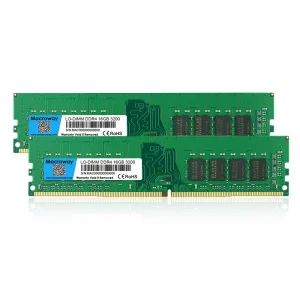
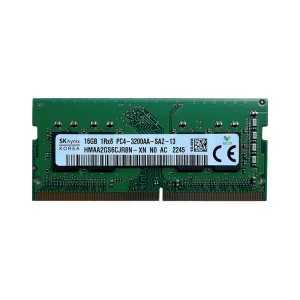
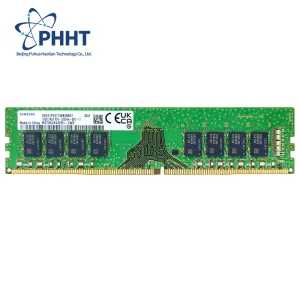
Delivering high-density, 2666MHz to 3200MHz DDR4 solutions. Optimized for modern enterprise workloads, virtualization clusters, and high-performance computing nodes in Lahore's tech parks.
Transitioning into low-voltage (1.1V), high-bandwidth DDR5 arrays featuring on-die ECC. Unlocking next-generation data throughput and AI processing capabilities for advanced datacenters.
Our roadmap is designed to support Pakistani distributors and system integrators at every tier of this transition. By keeping robust stocks of legacy DDR2, DDR3, and standard DDR4 server RAM, alongside our next-generation DDR5 lines, we ensure that local enterprises can expand their capacities incrementally. This hybrid compatibility guarantees that older servers remain active, minimizing e-waste and optimizing the Return on Investment (ROI) for municipal and educational networks.
Sourcing semiconductor components directly from our manufacturing facilities in China provides a streamlined supply chain optimized for Pakistan's specific logistical demands. Established in 2003, with over two decades of dedicated manufacturing experience, we have structured our production lines to meet the strict quality standards of the global IT sector. Our operations feature a 100% inspection rate across all products, verifying that every single IC chip and printed circuit board is vetted before leaving our factory.
Our logistics pipeline to Pakistan utilizes both maritime and overland trade routes, providing transit security and speed:
Our production capabilities are driven by 3 graduate R&D engineers, guiding raw material traceability audits and complete dynamic stress testing. Unlike wholesale brokers, we supervise the assembly and packaging process directly, applying high-density gold-finger plating (up to 30u" depending on custom demand) to protect the interface from humidity-induced corrosion common in coastal cities like Karachi.
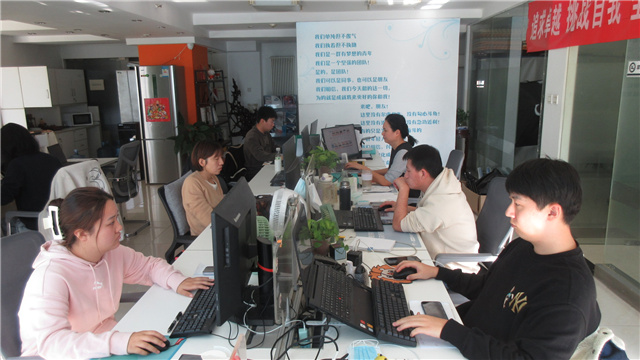
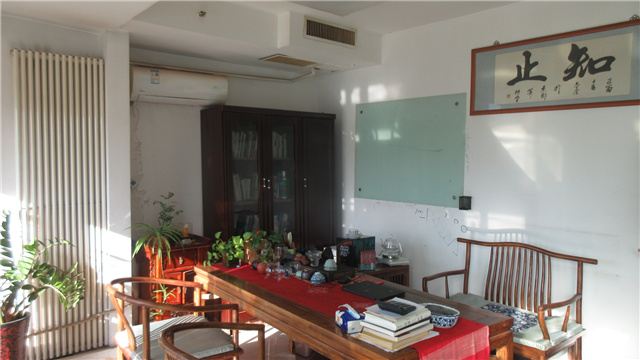
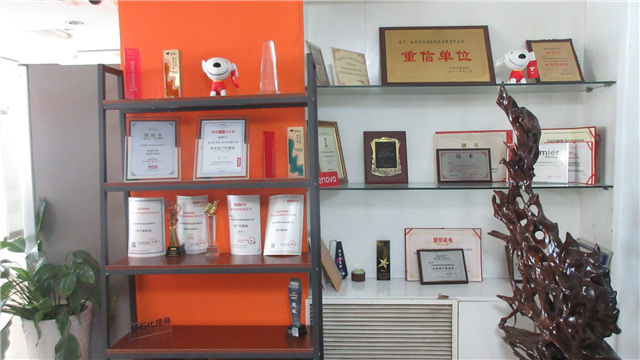
While our manufacturing operations are concentrated in key technological corridors in China, our market reach covers important regions in Europe, North America, and rapidly growing sectors in South Asia. We understand that selling memory modules requires reliable post-purchase engineering support. Because local IT professionals in Pakistan manage complex network architectures under budget constraints, our engineering division offers remote technical validation and firmware troubleshooting to resolve configuration conflicts on OEM motherboard systems.
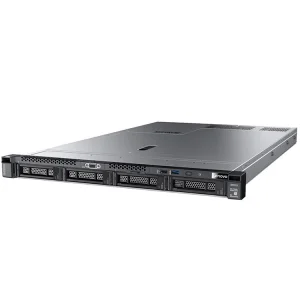
Whether configuring RAM arrays for major server systems from Dell, HP, or Lenovo, or optimizing high-density configurations for bespoke industrial motherboards, our team provides fast technical assistance. All bulk orders are accompanied by a comprehensive warranty system, ensuring that defective units are quickly identified, replaced, and returned with minimal downtime for the end user.
Technical details, shipping logistics, and compatibility answers for Pakistani IT buyers and distributors.
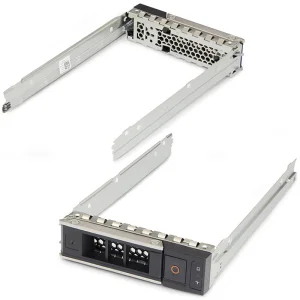
Explore our full line of memory modules, network switches, and server chassis accessories.


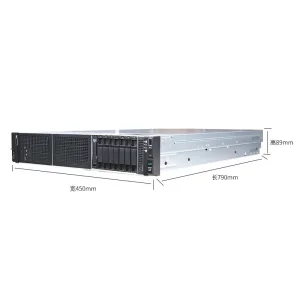
Partner with an established manufacturer offering 21 years of design excellence and 100% inspected shipments directly to your facilities.
Send Inquiry Now Nexus AI Server