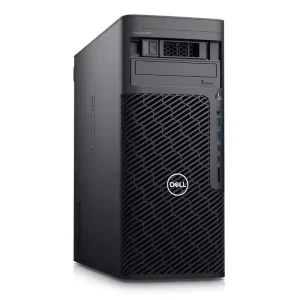
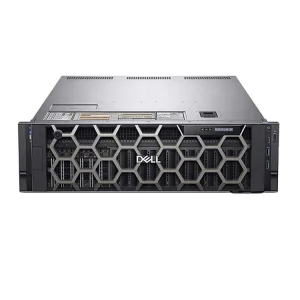
Highly optimized compute nodes tailored for Tokyo's localized R&D centers, local design rendering firms, and finance-related database operations.
As one of the world's most dense technology hubs, the Greater Tokyo Area is experiencing a major shift in how enterprise compute resources are deployed. While public cloud providers like AWS, Microsoft Azure, and Google Cloud have massive regional footprints in Tokyo and Osaka, local businesses are realizing that a purely cloud-centric approach introduces significant data egress costs, latency spikes, and data residency challenges under Japan's revised Act on the Protection of Personal Information (APPI).
In locations ranging from the financial centers of Chiyoda and Nihonbashi to the industrial zones of Kanagawa and the robotics labs of Tsukuba, the demand for local, physical hardware has surged. Tower servers have emerged as the ideal computing architecture for these environments. Unlike standard rack-mount servers that require dedicated, acoustically-isolated server rooms and high-capacity HVAC systems, tower servers provide identical computing power, redundant storage (NAS), and multi-GPU acceleration with minimal noise output and a compact footprint. This makes them highly suitable for typical space-constrained offices in downtown Tokyo.
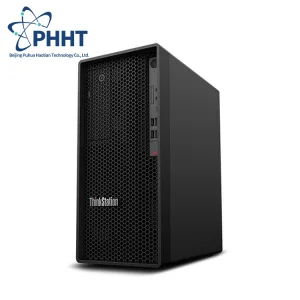
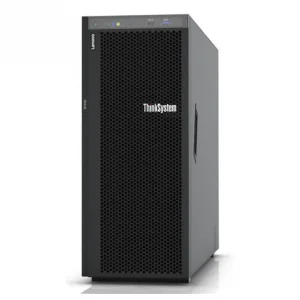
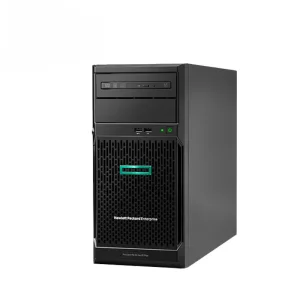
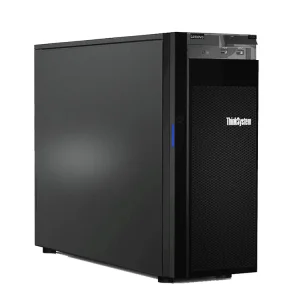
When procuring enterprise tower servers for Tokyo operations, multinational companies and domestic Japanese firms look closely at the Total Cost of Ownership (TCO). Cloud computing costs in Japan have risen due to currency fluctuations (JPY to USD) and rising energy costs in the Kanto region. A physical tower server, such as the Lenovo ThinkSystem ST258 V2 or the HPE ProLiant ML30 Gen10 Plus, can pay for itself within 9 to 14 months compared to equivalent cloud instances running continuous database, ERP, or AI training workloads.
Additionally, global procurement managers must navigate supply chain challenges. Partnering with experienced exporters that provide pre-shipment localization, VCCI Class B certification testing, and dual-voltage power supply units (100V-240V compatibility) is critical to avoiding custom clearance delays and operational failure upon arrival in Japan.
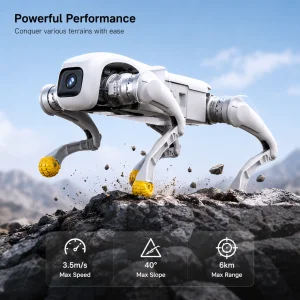
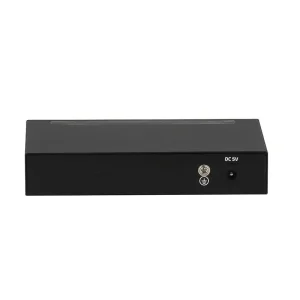
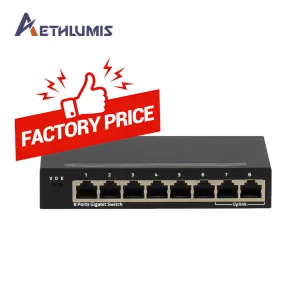
Industrial-grade network switches and programmatic hardware assets to build out local enterprise topologies and education systems in Japan.
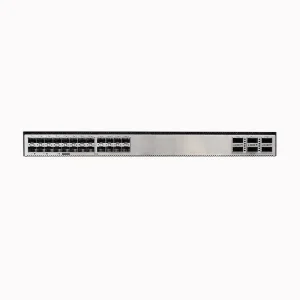
Building a resilient IT infrastructure in modern Japan requires an understanding of hardware performance lifecycles. Our team designs architectures targeting three main enterprise workloads:
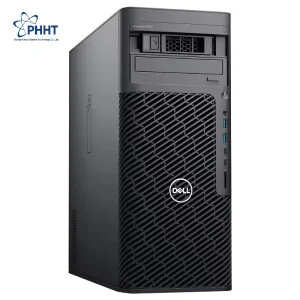
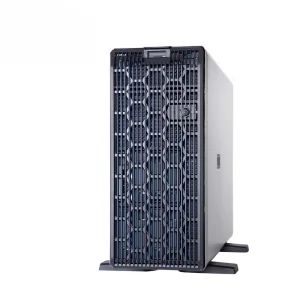
For companies developing custom natural language processing tools in Japanese or utilizing AI-driven optical character recognition (OCR) for handwritten documents, sending massive visual data to public clouds introduces latency and compliance risks. High-performance GPU tower servers (such as the Dell T550 or the Lenovo ST258 V2) running Xeon processors paired with multiple NVIDIA Tensor Core GPUs allow for local execution of models like LLaMA, GPT-Neox, or local Japanese models (e.g., Swallow or PLaMo) directly on-premises.
Design studios in Tokyo’s creative districts (Shibuya and Roppongi) require high single-threaded CPU clock speeds for 3D engineering and CAD software (SolidWorks, AutoCAD) alongside high multi-threaded performance for rendering. System setups using Intel Xeon W-class processors or the 14th Gen Intel Core platform (Precision 3680 / T5860) deliver this balance, keeping workflow latencies minimal.
By utilizing dual-socket tower servers configured with high-density enterprise SAS/SATA drives or NVMe SSDs, companies can build multi-terabyte localized NAS systems. These act as secure staging hubs before archiving selective cold data to external cloud vaults, reducing high internet egress costs.
Operating electronic equipment in Japan requires strict adherence to localized guidelines. The Electrical Appliance and Material Safety Act (PSE mark) governs electrical safety for devices operating at 100V. Furthermore, servers deployed in office settings must meet the VCCI (Voluntary Control Council for Interference) Class B radio disturbance standards to prevent interference with local communication setups.
Our export protocols ensure that all hardware shipped to Tokyo is configured with appropriate high-efficiency auto-switching power supplies. Each server undergoes a comprehensive 48-hour system stability test before dispatch, with full diagnostic logs and component traceability reports included.
Yes. All our server shipments destined for Tokyo are equipped with auto-ranging power supplies (100V-240V, 50/60Hz) to support Japan's 100V power system. For mission-critical environments, we provide dual hot-swap redundant power units rated at 80 Plus Platinum or Titanium efficiency.
Our shipping team manages all aspects of export documentation. We supply complete commercial invoices, HS codes (typically 8471.41 for digital computing systems), certificate of origin documents, and compliance forms detailing compliance with Japan's import guidelines.
Yes. Our systems are built using standard x86-64 server architectures, making them compatible with major operating systems. We offer pre-installation services for Windows Server (including Windows 11 Pro on workstations like the T5860) and various enterprise Linux distributions (Ubuntu Server, Rocky Linux, Red Hat Enterprise Linux) configured with hypervisors such as VMware ESXi or Proxmox VE.
For office installations, we optimize fan profiles within the system BIOS/UEFI and configure high-efficiency, large-diameter cooling fans. This keeps operating noise below 35-40 dB under normal workloads, allowing units like the Lenovo ST258 V2 or Precision 3680 to run quietly next to office desks.
Yes. We provide hardware customization to meet specific performance needs. This includes installing additional high-capacity PCIe Gen 5 expansion cards, adding system memory up to maximum board limits, and installing specialized GPUs (such as NVIDIA L4, A100, or RTX series cards) configured with matched power distribution setups.
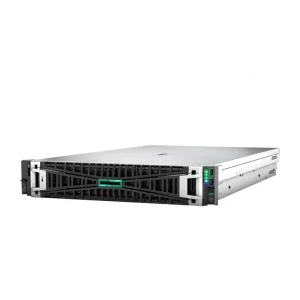
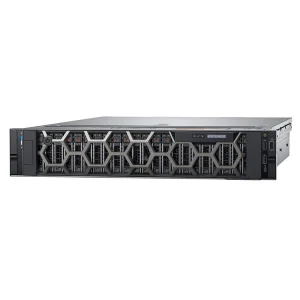
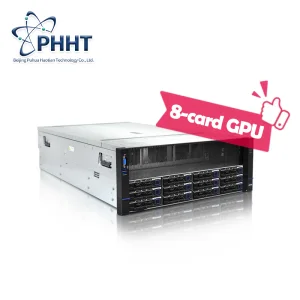
Browse our broader range of high-performance towers and high-density rack units configured for Tokyo’s datacenters and remote office infrastructures.
 Nexus AI Server