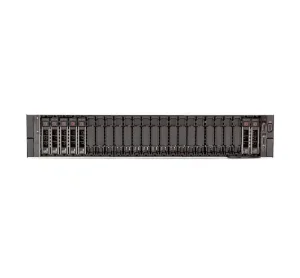
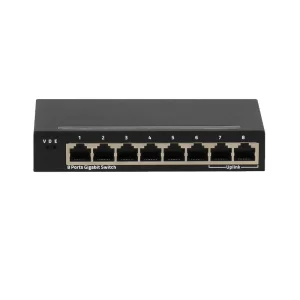
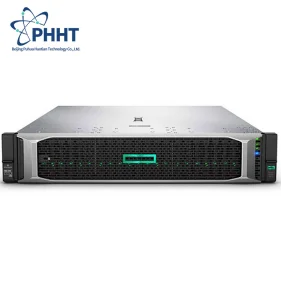
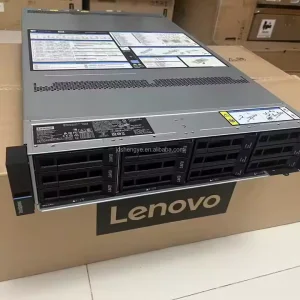
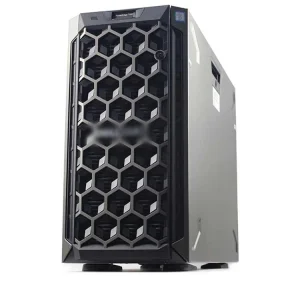
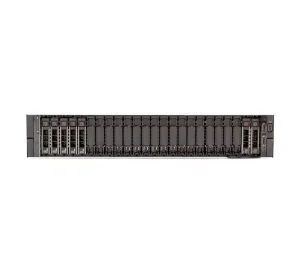
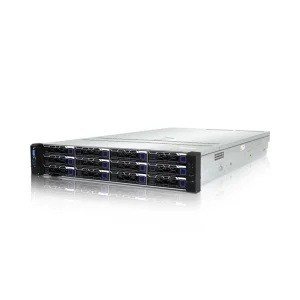
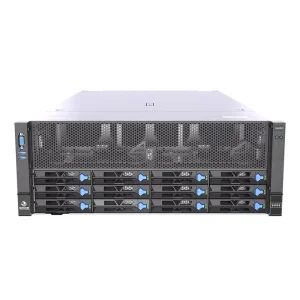
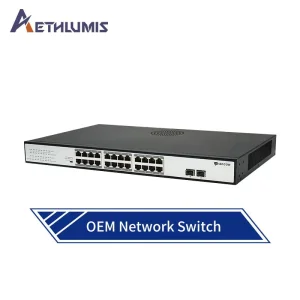
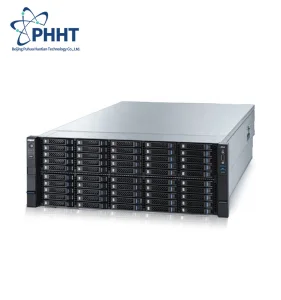
Deploy high-performance rack servers, scalable clusters, and enterprise-grade networking appliances manufactured under strict traceability protocols.
Understanding the evolution of compute paradigms, market forces, and the strategic positioning of scalable enterprise hardware.
High Performance Computing (HPC) has shifted from specialized scientific laboratories to the backbone of modern commercial enterprises. Driven by the exponential growth of Large Language Models (LLMs), AI deep learning, molecular modeling, financial risk analysis, and high-frequency virtualization, high-density server configurations are now essential infrastructure. Today’s industrial landscape relies heavily on heterogeneous computing architectures where multi-socket CPUs act in orchestrating unison with high-throughput GPU accelerators. These dense configurations require rapid data ingestion, robust virtualization fabrics, and low-latency storage arrays to prevent processing bottlenecks.
To sustain these complex computational demands, hardware architecture has moved towards modular configurations. Custom-configured systems—specifically BTO (Build-To-Order) and CTO (Configure-To-Order) bare metal servers—allow enterprise buyers to align processing threads, memory limits, and hardware-accelerated expansion interfaces exactly with their specific application demands. Global buyers face a key strategic decision: procuring pre-packaged configurations with premium brand margins, or sourcing directly from established high-performance computer factories that offer identical component traceability, custom engineering flexibility, and far higher ROI.
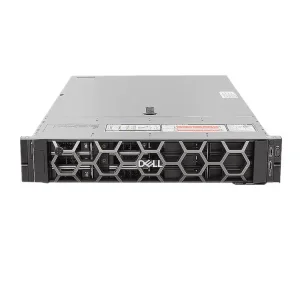
Modern HPC clusters focus on three core areas: compute capacity, thermal dissipation efficiency, and dynamic network throughput. Standard server setups face physical limits due to rising TDP (Thermal Design Power) from modern enterprise chips. In response, factories are modifying chassis structures to support advanced liquid cooling, high-flow fan designs, and efficient layouts that prevent hot spots. At the same time, high-speed L3 managed switches and reliable PoE networks ensure data moves quickly and securely across compute, storage, and management nodes.
How geographic manufacturing hubs optimize production efficiency, material quality control, and direct cost-performance ratios.
The concentration of raw material suppliers, high-precision PCB assemblers, and component manufacturers in China's technology corridors creates an efficient production ecosystem. This localized supply chain minimizes transit delays and ensures quick access to essential components, from specialized capacitors and structural brackets to high-end network controllers and system boards. Consequently, China-based OEM factories can prototype, assemble, validate, and scale high-density rackmount systems faster than manufacturers in regions with fragmented supply chains.
For global buyers, this efficient ecosystem translates into substantial strategic advantages:
Traceability: Full structural tracking of crucial materials and electronic components.
Reliability: 100% inspection procedures across production lines ensure server nodes run reliably under heavy compute loads.
Testing: Extensive testing under load simulates demanding datacenter operations before systems are packaged and shipped.
Inside the production, verification, and assembly facilities designed for high-performance server hardware.
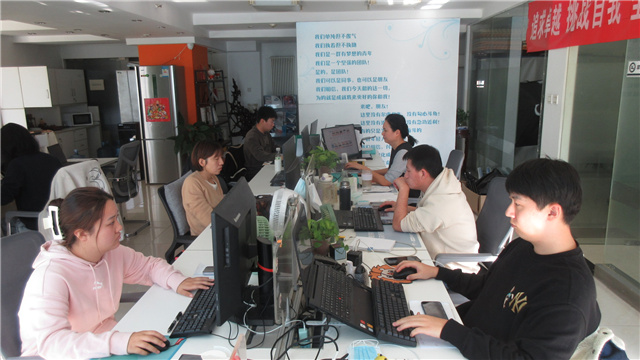
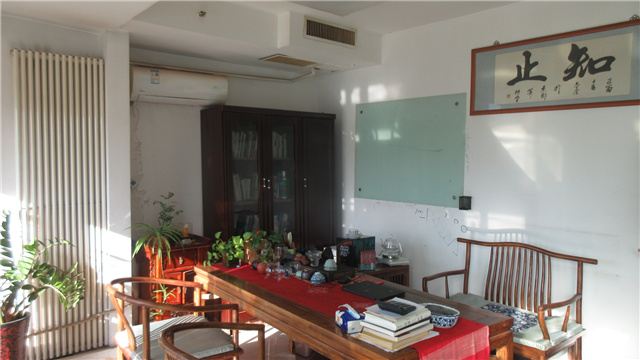
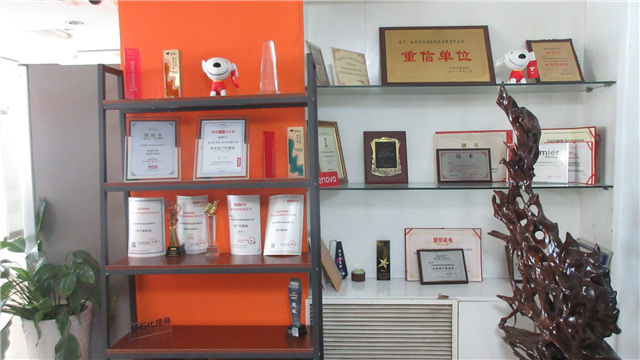
Review the production capabilities, quality metrics, and business overview details of our manufacturing operation.
Aligning server configurations and switching architectures to solve critical workloads across diverse industry verticals.
Modern machine learning workflows require substantial GPU density and high-throughput network architectures. Standard server setups often struggle with GPU-to-CPU communications and cooling under continuous workloads. Direct factory-configured server solutions address these requirements by matching multi-core processors with dense graphics arrays and high-capacity, low-latency RAM. This ensures that large models can process training sets without running into performance-limiting bottlenecks.
Data centers running hypervisors require compute nodes with high virtual machine (VM) density. Dual Intel Xeon systems are designed for this scenario, offering high core-count setups, extensive PCIe lanes, and generous memory limits. These physical features support dense software-defined storage arrays and hypervisors, helping minimize infrastructure footprint and licensing expenses.
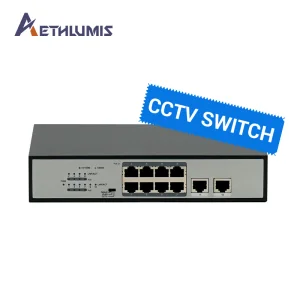
HPC computing nodes need reliable, high-speed network support to keep data flowing smoothly. Unmanaged desktop switches serve edge deployments and security cameras well, while managed core switches with high switching capacities and dual power supplies handle core data center traffic. For demanding enterprise environments, PoE configurations deliver both power and data to remote devices, simplifying wiring and power layouts.
Ensure low latency, high throughput, and high storage capacity with our factory-wholesale networking solutions.
Answers to common technical, logistics, and quality assurance questions when procurement teams source direct-from-factory computing hardware.
Our BTO (Build-to-Order) and CTO (Configure-to-Order) services allow you to select specific components for your compute nodes. After analyzing your application requirements, we design layout options matching processors, memory limits, and expansion cards to your needs. This approach ensures you pay only for the hardware performance your workload requires.
We use a multi-phase validation process that includes verifying the trace origins of incoming components, performing Automated Optical Inspections (AOI) during board layout assembly, and conducting extended burn-in testing under load. This process helps ensure that final server assemblies perform reliably under continuous operation in enterprise data centers.
Our high-density server cases use multi-fan zones with high-performance cooling profiles. The interior physical layouts are designed to separate heat-generating components, ensuring proper airflow around high-wattage CPUs and GPU accelerators. This thermal design helps maintain optimal running temperatures, preventing performance throttling during intense compute cycles.
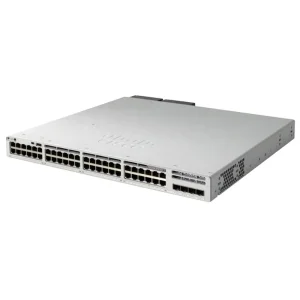
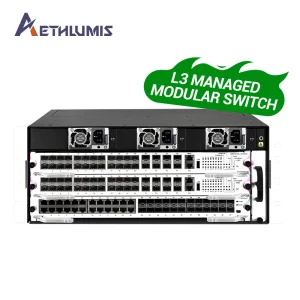
Unmanaged Layer 2 switches are suitable for simple data passing at the network edge, such as IP camera feeds. Layer 3 switches provide advanced routing protocols (like OSPF, BGP, and MPLS), stackable dual-power redundancies, and high switching capacity. These features are essential for organizing routing paths and managing data flow between compute clusters and storage pools in enterprise networks.
All high-density server configurations are packaged using shock-absorbing foam inserts inside heavy-duty double-wall corrugated boxes. Additional structural reinforcements are added for heavy server units to prevent damage from transport vibrations, helping ensure your computational hardware arrives in ready-to-deploy condition.
 Nexus AI Server