Why modern enterprise application development demands custom, tailored bare-metal platforms and OEM-certified systems architecture rather than generic commodity instances.
In the current technological paradigm, software applications are no longer isolated logical layers running on abstract hardware. Modern artificial intelligence algorithms, massive distributed cloud environments, real-time edge processing networks, and advanced simulation software have outgrown generic hardware platforms. Co-design between software applications and underlying compute machinery is crucial to unlock next-tier performance, control operating expenditures, and maintain complete hardware control.
Whether you are building custom database clusters, low-latency financial systems, containerized cloud infrastructure, or localized computer vision endpoints, relying on off-the-shelf platforms introduces bottlenecks. These include suboptimal memory layouts, unnecessary chipset overheads, thermal throttles, and security vulnerabilities. Custom OEM design bridges this gap by engineering the physical hardware—including specific CPU cores, customized PCIe lane assignments, dedicated NVMe layouts, high-performance network interface cards (NICs), and secure BIOS revisions—to align perfectly with the target runtime software.
Our capabilities act as a direct extension of your product design team. We supply tailored systems that bypass the typical overheads of global brands, delivering target configurations that precisely optimize CPU-to-memory throughput, thermal dynamics, and density profiles, ensuring maximum stability and efficiency.
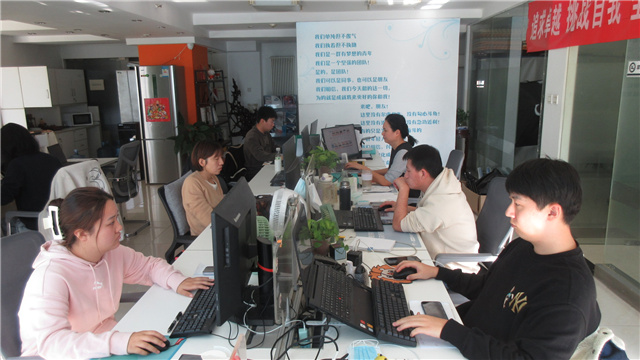
Addressing the complex requirements of worldwide technology buyers, systems integrators, and infrastructure procurement managers.
Different application verticals require bespoke compute densities. We design and integrate architectures around high-core-count AMD EPYC and Intel Xeon processors, complemented by specialized deep learning tensor accelerators (GPUs) configured for multi-node workloads.
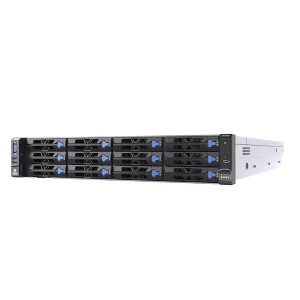
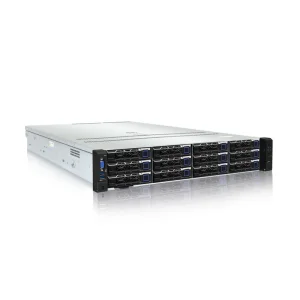
Reducing datacenter power consumption requires rigorous thermal engineering. Our OEM enclosures, custom fan curves, and airflow baffling designs maximize cooling efficiency, preventing throttling even under sustained 100% compute loads in 1U and 2U configurations.
Security is non-negotiable for enterprise applications. We supply systems equipped with verified hardware TPM 2.0 modules, secure boot options, customized UEFI/BIOS firmwares built to prevent firmware injection attacks, and strict raw-material traceability profiles.
From core datacenters to advanced bionic edge units: bridging hardware-software integration gaps worldwide.
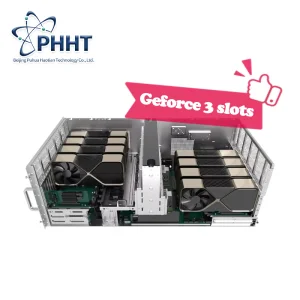
For workloads relying on large language models (LLMs), machine vision, and real-time inference engines, memory bandwidth and multi-GPU topologies are critical. By deploying GPU rackmount systems featuring PCIe Gen 5 lanes directly mapped to the AMD EPYC or Intel Xeon scalable sockets, we ensure that deep learning model training maintains maximum data throughput without bus bottlenecks.
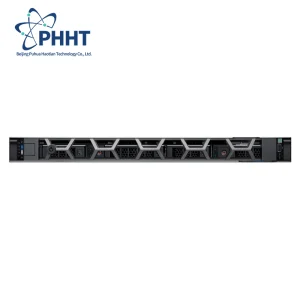
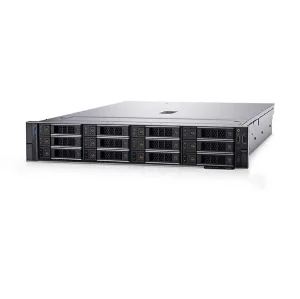
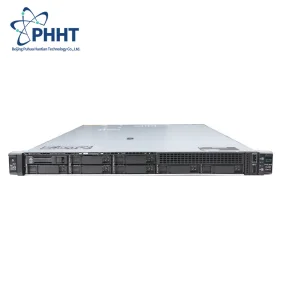
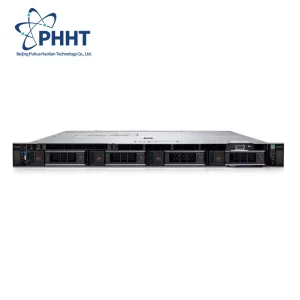
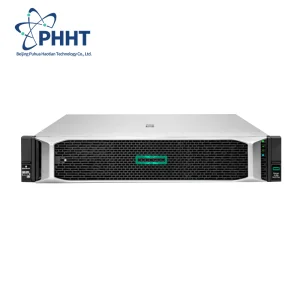
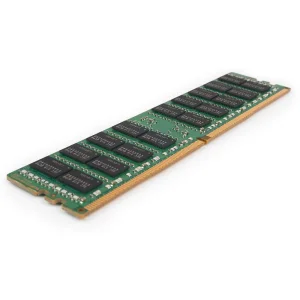
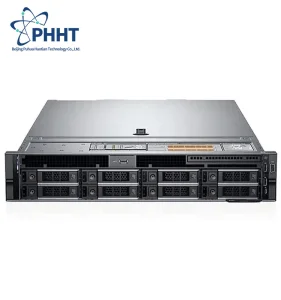
Containerized workloads, Kubernetes clusters, and multi-tenant virtualization layers demand reliable system-level architectures. Systems like the DL360 Gen11 and PowerEdge series are optimized for virtualized architectures, offering support for high-capacity DDR5 RAM, hot-swappable NVMe arrays, and dual 10G/25G network interface cards, reducing latency for host-to-VM networks.
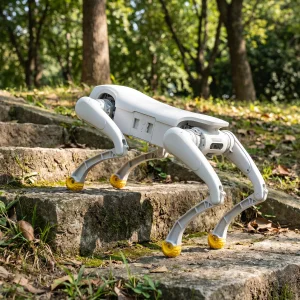
Beyond traditional server farms, application development frequently extends to physical, automated environments. We engineer custom computing units that power high-precision bionic devices—such as quadruped programmable robot dogs. These units process sensory data locally, utilizing deep learning algorithms directly at the edge, where real-time responsiveness and mechanical coordination are crucial.
Understanding our stringent manufacturing processes, compliance checks, and comprehensive quality assurance benchmarks.
Our operational model prioritizes quality control and traceability. Every incoming shipment of raw integrated circuits, central processors, storage drives, and network controllers undergoes meticulous validation. Unlike volume-based distributors, we conduct systematic inspections on all units across every production line, assuring clients of consistent quality.
This strict policy ensures that memory chips, storage modules, and PCIe network switches operate within set tolerances before final unit configuration. Additionally, we integrate customized BIOS revisions, apply thermal paste to specification, and run stress-testing routines (such as Memtest and multi-hour GPU burn-ins) to simulate heavy production workloads.
By monitoring the supply chain at every stage, we mitigate risks related to component variation, firmware bugs, and physical defects, ensuring reliable, long-term deployment for our partners.
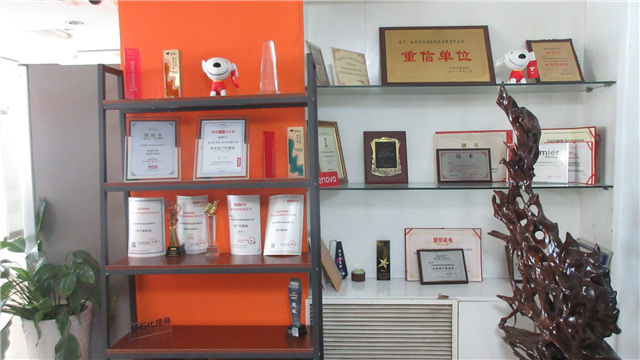
A transparent overview of our facility’s structural data, certifications, and trade capacity based on industry standards.
Technical insights, engineering consultations, and logistics questions concerning our OEM application development platforms.
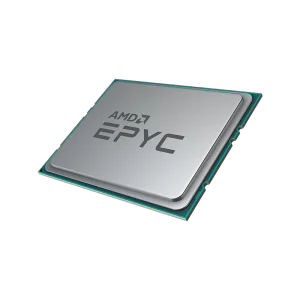

 Nexus AI Server