High-capacity node systems, GPU computing matrices, and high-performance network routing hardware.

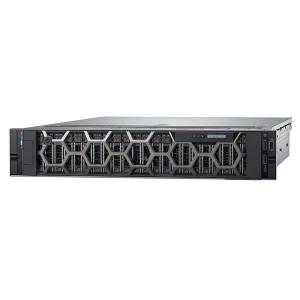
In the modern era of cryptographic economies and decentralized compute, the physical hardware Layer 0 constitutes the foundational architecture that supports all Layer 1 protocols and Layer 2 scaling scaling networks. Blockchain networks have transitioned from experimental, CPU-based hobbyist operations into multi-billion-dollar enterprise ecosystems requiring high-density computing arrays. As global consensus models evolve towards Proof-of-Stake (PoS), zero-knowledge (ZK) validity proof systems, and Decentralized Physical Infrastructure Networks (DePIN), the hardware requirements have shifted dramatically. High-throughput processing units, high-capacity network switches, and custom high-density storage servers have become critical components of sustainable node architectures.
Enterprise node operators, institutional validators, and cryptographic service providers now face the challenge of scaling their physical architecture to keep pace with cryptographic throughput demand. Whether implementing zero-knowledge proof (ZKP) hardware accelerators, scaling multi-GPU computational stacks for layer-2 rollups, or securing hardware security modules (HSMs) for cold-storage consensus key management, the specification of the underlying hardware determines the reliability, latency, and slashing protection of the infrastructure. As a specialized OEM/ODM blockchain hardware manufacturer, we provide the industrial capacity and custom engineering capabilities required to support this global technological transition.
Over two decades of production-grade precision, rigorous testing protocols, and global supply chain logistics.
Founded in 2003-07-10, our manufacturing facilities have spent 21 years scaling custom server rack units, enterprise network switches, and advanced computing configurations. Backed by graduate-level R&D engineers, we execute full-line quality control audits across all production operations to guarantee that validator nodes and storage servers operate with maximum uptime and zero hardware bottlenecks.
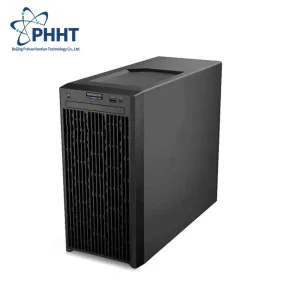
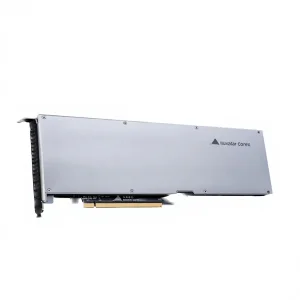
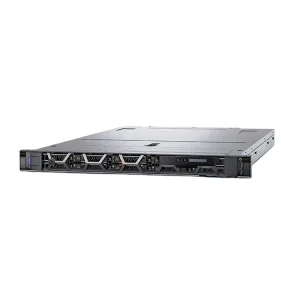
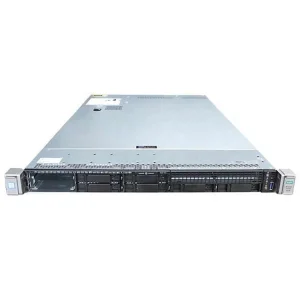
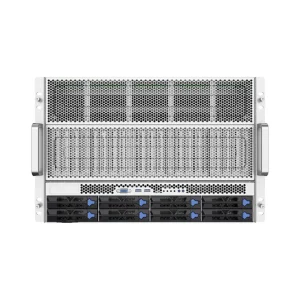
The primary vector of growth in modern Web3 architecture is the convergence of AI training workloads and decentralized computation networks. Platforms require high-performance GPU AI servers, such as the PowerEdge series or custom configurations utilizing cards like the Iluvatar CoreX TG150, to complete distributed AI inference and zero-knowledge proof generation. Simultaneously, the demand for decentralized physical infrastructure networks (DePIN) is encouraging data center operators to build hybrid setups that function as both validator nodes and local distributed storage systems.
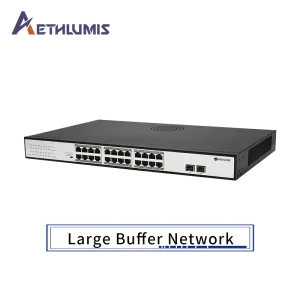
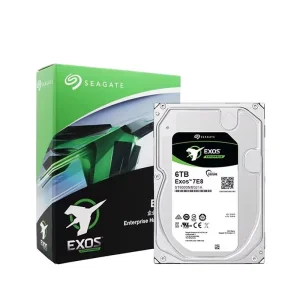
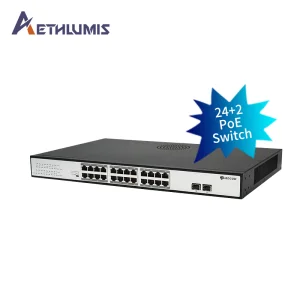
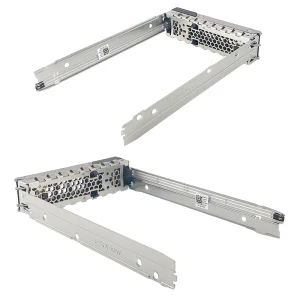
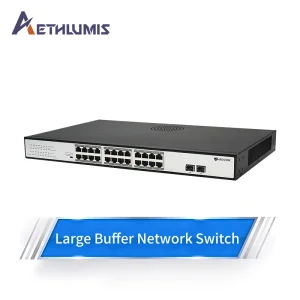
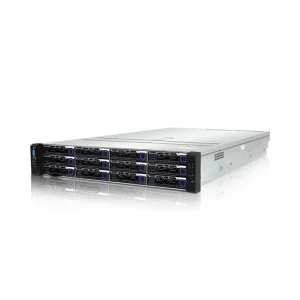
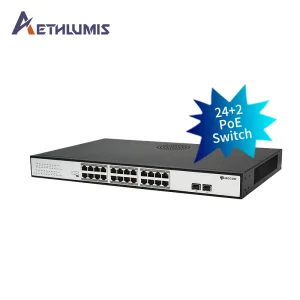
In this hybrid environment, latency is the critical metric. Enterprise network infrastructures require 24-Port Gigabit PoE Switches and high-capacity network switches to route high-volume traffic without data loss. Storage arrays must utilize hot-swappable HDD/SSD drive carriers to maintain constant read/write uptime for state archiving. As an experienced exporter, our enterprise server builds and connectivity arrays are structured to handle these data-heavy environments, ensuring clients can scale their setups globally without facing hardware bottlenecks.
| Hardware Node Classification | Primary Compute Requirements | Critical Network Metric | OEM Customization Focus |
|---|---|---|---|
| ZK-Rollup Prover Nodes | High-density GPU arrays / FPGA cards | Ultra-low internal PCIe latency | Custom GPU power distribution & thermal systems |
| EVM Validation Nodes | Multi-core, high-frequency CPU setups | High disk read/write throughput (NVMe) | Hardware-level cryptographic key isolation (TEEs) |
| DePIN Storage Networks | High-density SAS/SATA hot-swap storage arrays | Consistent gigabit switching, dual uplinks | Optimized backplane layout & cooling fans |
| Distributed AI Training | 320+ TOPS Computing Power cards (e.g., TG150) | High-speed interconnects & multi-GPU bridging | Stable power supplies & heat dissipation architectures |
Standard, off-the-shelf servers are rarely optimized for the unique power, thermal, and computing demands of blockchain protocols. Validation processes require continuous CPU and memory resource commitment, which can cause premature thermal degradation in systems not built for constant workloads. Our specialized design department works closely with clients to engineer bespoke hardware setups, offering sample processing, graphic design processing, and custom, on-demand hardware configurations.
Our server configurations are engineered to prevent single points of failure. By utilizing redundant power supplies, hot-swappable cooling fans, and high-performance server caddies, our chassis architectures maintain system integrity in harsh hosting environments. Our network hardware solutions, which include high-power 24-Port Gigabit switches, are optimized with built-in power modules and large packet buffers. This ensures that node configurations receive consistent power delivery and maintain stable data routing even during peak network traffic.
Our international supply chain enables us to customize server builds to meet the specific grid, regulatory, and datacenter requirements of different regional markets.
Deployments in North American facilities focus heavily on compliance, energy efficiency, and high compute density. Our enterprise rack server solutions are configured to support UL/CSA standards and are optimized for standard 110V-220V rack systems. They integrate with smart PDU configurations to meet strict green energy requirements while running high-performance GPU and storage cards.
Our hardware solutions for Eastern European deployments focus on cost-efficient computing performance, thermal stability, and robust storage expansion options. We provide custom GPU servers and high-capacity storage racks that deliver high uptime even in variable temperature environments. These builds are engineered with redundant cooling fans and robust caddy layouts to simplify maintenance in remote locations.
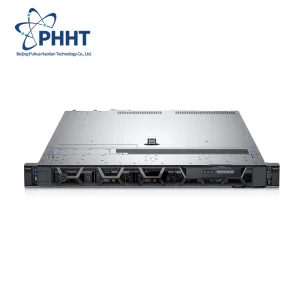
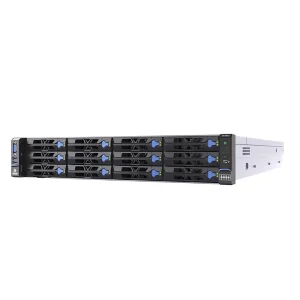
For domestic deployments and high-growth tech hubs, our focuses are rapid scalability and cost-effective network routing. We supply unmanaged gigabit PoE switches and customizable 2U enterprise nodes that allow companies to build scalable server clusters without complex integration cycles. This approach helps reduce setup costs and shortens deployment timelines.
As consensus algorithms mature, our R&D roadmap focuses on adapting hardware configurations to support emerging cryptographic standards and edge computing demands.
Answering common technical, manufacturing, and shipping questions for validator operators and IT directors.
Reliable data distribution, stable network switching, and high-performance server components for cloud infrastructure.
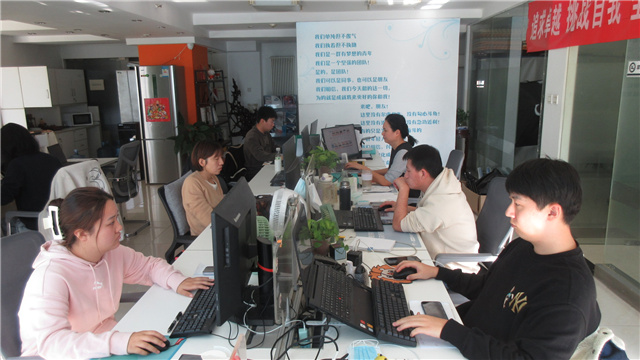
A look inside our assembly operations, server burn-in setups, and product verification processes.

 Nexus AI Server