Explore our industrial hardware deployments engineered for real-time data ingestion, routing, and high-performance server processing.
In the contemporary industrial landscape, the deployment of the Internet of Things (IoT) has evolved from basic sensor networks into hyper-integrated ecosystems that converge big data, machine learning, and high-performance computing. Today, multinational corporations and infrastructure operators seek more than just hardware components; they demand end-to-end reliability, long-term lifecycle stability, and deep technological synergy. As a veteran with 21 years of experience in the industry, our organization understands that procuring IoT infrastructure requires addressing strict requirements across connectivity, computational density, and operational continuity.
Global enterprise procurement managers are shifting away from fragmented public-cloud dependencies toward hybrid topology models. In these hybrid models, localized execution, low-latency edge servers, and high-throughput managed Layer 3 core switches act as the primary operational layers. Hardware reliability is paramount; a single minute of downtime in a smart manufacturing plant or automated distribution hub can result in thousands of dollars in lost operational efficiency. Modern procurement directives prioritize manufacturers capable of providing robust customized designs (OEM/ODM support), total quality assurance, and complete physical component traceability.
Additionally, purchasing paradigms are highly localized. While North American enterprises emphasize raw performance metrics, edge-to-cloud security, and machine learning compatibility (especially for real-time model inferencing), Eastern European and Domestic markets focus heavily on structural longevity, power efficiency, and regional compliance standards. To meet these varied needs, hardware vendors must provide flexible architecture platforms, such as multi-GPU systems and highly scaleable Layer 3 switches, that can adapt to different workloads without requiring expensive modifications.
“The fundamental shift in IoT procurement is the move towards 'Computational Edge Autonomy'—where local industrial nodes execute complex decisions without WAN-dependent latency.”
Translating raw hardware capabilities into industrial-grade solutions requires a systematic architectural design. Below are three primary macro-level frameworks where our products are currently deployed globally:
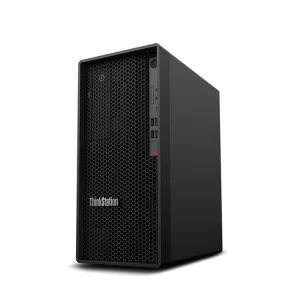
Integrating high-performance edge compute units directly with the factory floor. GPU workstations and rack-mounted servers run computer vision algorithms to detect flaws in real-time while routing sensor telemetry through managed, low-latency Layer 3 switches.
Providing high-availability network setups for power grids, municipal water systems, and transportation networks. By using redundant stackable switches with dual AC/DC power options, we prevent data loss across long-range installations.
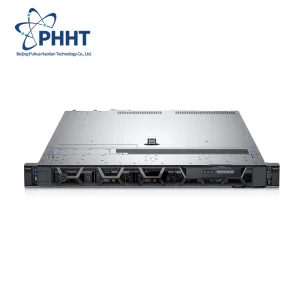
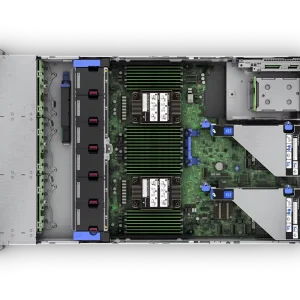
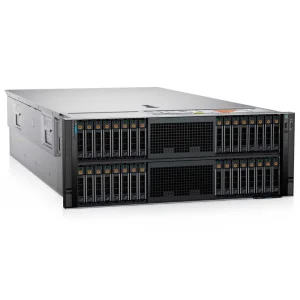
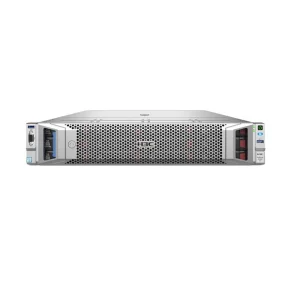
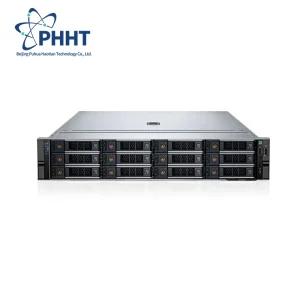
Deploying powerful CPU and GPU servers (such as the PowerEdge and HPE ProLiant series) to process large datasets locally, reducing the bandwidth demands on central cloud resources and ensuring business continuity even during network outages.
For instance, in automated logistics warehouses, hundreds of autonomous mobile robots (AMRs) continuously report coordinates and receive navigation updates. The local network infrastructure must process these signals with sub-millisecond latency. A stack of L3 core switches managed with high-bandwidth OSPF or BGP routing manages the distribution of this data across local GPU hosts. These GPU hosts analyze the spatial telemetry to dynamically update routes and optimize traffic flow throughout the facility.
Our operational transparency and engineering benchmarks define our reliability as a global hardware partner.
| Verified Factory Profile Specifications & Capabilities | |
|---|---|
| Company Registration Date | 2003-07-10 (Over two decades of persistent industry presence) |
| Production Floor Space | 120 ㎡ specialized precision testing, configuration, and QC space |
| Export Experience | Direct international export channels since 2022 (Supporting global procurement) |
| Accepted Languages | English (Fluency in technical coordination, architectural design, and contract negotiations) |
| Quality Control Systems | Full raw material traceability; QC checks run on all active lines; 100% pre-shipment inspection |
| Primary Market Footprint | Domestic Market (50%), Eastern Europe (20%), North America (15%), and global enterprise networks |
| Core Client Classifications | Brand Businesses, High-volume Wholesalers, System Engineers, Retailers, and Specialized Manufacturers |
| R&D / Customization | Sample processing, graphic rendering/modeling layout processing, custom specifications on-demand |
As we look toward the future, the integration of high-performance artificial intelligence (AI) and local sensor ecosystems has become a major driver of industry innovation. The traditional model of sending raw data to the cloud is no longer practical due to bandwidth limitations, high latency, and security concerns. The future of IoT is edge autonomy—a framework we call AIoT (Artificial Intelligence of Things).
Our technical roadmap focuses on optimization across three main areas:
By combining these hardware capabilities, our clients can build networks that collect, route, analyze, and act on local data with minimal delay. In high-speed manufacturing environments, our L3 switches quickly route telemetry from visual sensors to local GPU servers, where edge AI models identify anomalies and trigger shutdowns before equipment damage can occur.
Deploying enterprise hardware globally requires meeting strict regulatory compliance and regional standards. Whether shipping to North America, Eastern Europe, or domestic facilities, devices must comply with local security, interference, and environmental guidelines.
Our systems are designed to comply with CE, FCC, RoHS, and other international standards. We use high-grade components to ensure long operational lifetimes and reliable performance, even in challenging industrial environments. Additionally, our R&D team works closely with clients to customize systems to meet specific local criteria, ensuring smooth deployment and regulatory approvals worldwide.
In terms of security, our Layer 3 switches offer robust network isolation tools, including VLAN configurations and access control lists (ACLs). Combined with raw material traceability, this approach provides a secure, verified supply chain for critical enterprise and infrastructure applications.
Browse our selection of gigabit PoE switches, high-performance L3 core switches, and rackmount servers designed for high-density edge deployments.
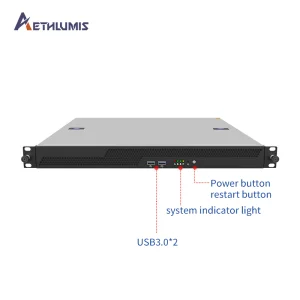
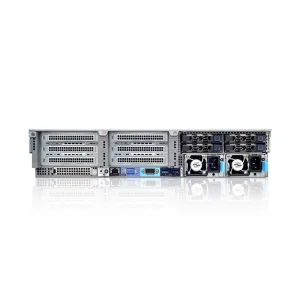
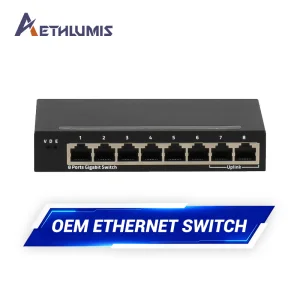
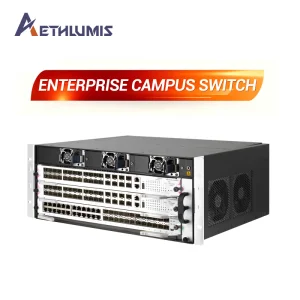
Deploying complex networks and edge servers can present challenges. Below, we address common technical and architectural questions raised by procurement managers and network engineers.
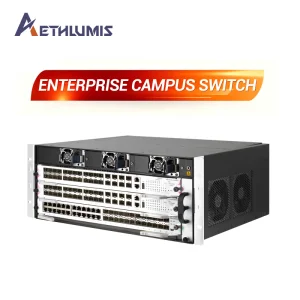
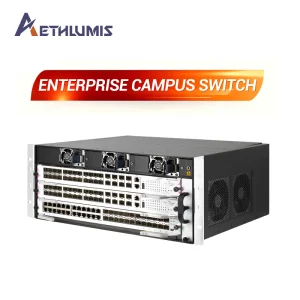
Layer 3 switches handle IP routing directly on the hardware, which minimizes latency compared to using external routers. For industrial installations with multiple subnets or VLANs, L3 switches route data locally at wire-speed. Supporting dynamic routing protocols like OSPF, BGP, and MPLS allows for redundant, self-healing network paths that keep local systems running even if a main network trunk is disconnected.
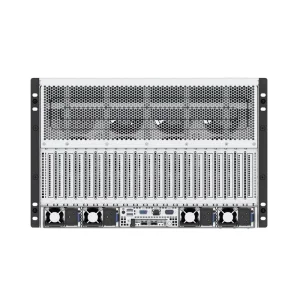
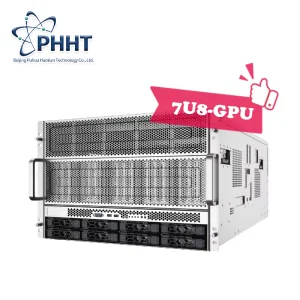
Models like the PowerEdge R960 or our customized 7U/8U GPU server series host multiple high-performance graphics units alongside Intel Xeon or AMD EPYC processors. This enables local execution of deep learning models, such as real-time computer vision, without the round-trip latency and bandwidth usage of cloud processing. It also ensures that critical automation systems continue operating even if the connection to the main WAN is lost.
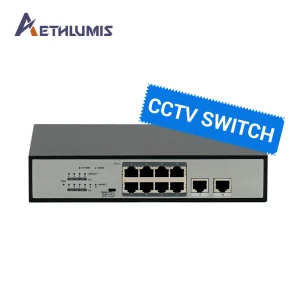
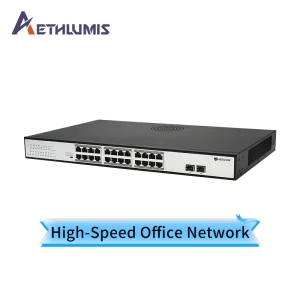
PoE switches send power and data over a single Ethernet cable, simplifying the installation of devices like IP cameras, access controls, and wireless access points. Our 8-port and 24-port PoE switches deliver high wattage (up to 370W total) with built-in surge protection (up to 6KV) and VLAN isolation. This design protects connected edge devices from electrical spikes and helps prevent network interference.
With over 21 years of experience, we implement rigorous quality control on all production stages. This includes full component traceability, 100% inspection of finished systems, and active line monitoring. Every server, workstation, and switch is tested under load to ensure it meets enterprise specifications before shipment.

 Nexus AI Server