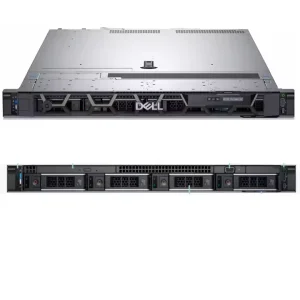
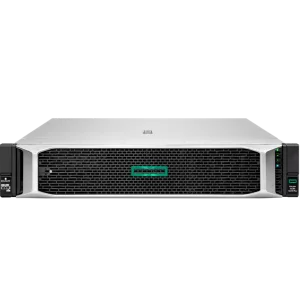
High-efficiency rackmount systems designed to meet local Calgary requirements for speed, density, and industrial reliability.
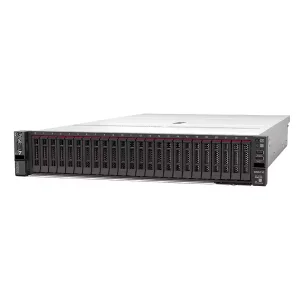
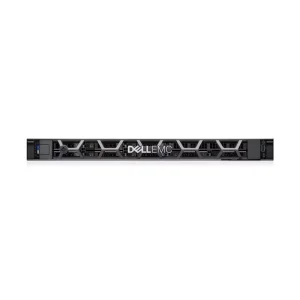
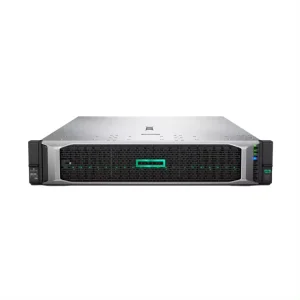
Adapting to high-altitude cooling parameters, regional power structures, and the growing demand for deep learning workflows in Western Canada.
Calgary, Alberta, is rapidly transitioning from a traditional energy hub into a premier Western Canadian digital corridor. As local industries modernize, the demand for enterprise-grade rackmount servers has shifted dramatically from legacy database storage to high-intensity computational tasks, such as geophysical data modeling, oil reservoir simulations, clean energy intelligence, and low-latency edge computing. Deploying high-density server infrastructure in Calgary requires a deep understanding of unique environmental and operational conditions.
At an elevation of approximately 1,048 meters (3,438 feet) above sea level, Calgary's lower atmospheric pressure reduces air density. In server engineering, this directly impacts heat dissipation capacity. Standard cooling fan profiles optimized for sea-level conditions must be reconfigured to handle high-altitude airflows without inducing thermal throttling. Our custom server solutions address these requirements by incorporating high-efficiency heatpipe heat sinks, hot-swappable high-RPM cooling systems, and specialized firmware adjustments (such as custom fan-curve tables within BMC/IPMI settings) to ensure continuous operation under peak thermal design power (TDP).
Furthermore, Calgary's commercial power market operates on a dynamic deregulated structure. Large enterprise data centers and colocation spaces must optimize their Power Usage Effectiveness (PUE) to maintain profitability. Leveraging Calgary's cool semi-arid climate via economizer-based free cooling is a primary architectural approach. Our rack servers are designed to align with ASHRAE A2 to A4 standards, enabling continuous high-temperature operating limits and reducing auxiliary air-conditioning costs.
Understanding high-density hardware transitions, liquid cooling integrations, and localized deployment strategies.
With the rise of large language models like DeepSeek, Llama, and proprietary enterprise AI workloads, standard CPU architectures must be coupled with high-throughput GPU interconnects (PCIe Gen 5, SXM5). Our rack systems support multi-GPU topologies with optimized thermal zoning.
Calgary's financial and energy sectors require strict adherence to security frameworks (SOC 2, ISO 27001). Our systems feature hardware Root of Trust (RoT), secure boot mechanisms, and TPM 2.0 chips, protecting sensitive operations from firmware-level exploits.
Transitioning from standard power supplies to 80 PLUS Titanium redundant power modules reduces conversion heat losses. Advanced power monitoring capabilities allow infrastructure administrators to throttle power profiles based on real-time grid costs.
As server power densities reach 30kW to 100kW per rack, standard air cooling approaches their thermodynamic limits. Globally, and increasingly within Western Canada's technology initiatives, Direct Liquid Cooling (DLC) technology is transitioning from niche supercomputing centers to mainstream enterprise environments. By bringing cold-plate liquid loops directly to high-TDP processors, operators can capture up to 90% of server-generated heat. In Calgary, where winter temperatures routinely drop below zero, this waste heat can be captured and redirected to building HVAC or municipal district heating schemes. This approach drastically lowers the overall power consumption of commercial real estate while supporting corporate carbon footprint reduction goals.
Tailored architectural strategies designed for primary commercial sectors in Western Canada.
Geophysical modeling requires ingestion of petabytes of field-acquired data. Traditional computing platforms struggle with structural analysis bottlenecks. Our specialized AMD EPYC high-core density servers, equipped with high-throughput NVMe RAID storage, provide the high memory bandwidth and core counts needed for complex reservoir calculations and stratigraphic modeling.
Oil fields, pipeline networks, and clean-tech generation facilities operate in challenging conditions. Our ruggedized, short-depth 1U/2U server platforms deploy seamlessly at local pump stations and remote telemetry nodes. These servers run containerized software modules to compile, process, and analyze sensor telemetry at the edge before sending filtered metadata to central databases.
Modern smart city designs require low-latency AI processing to coordinate traffic systems, transit routes, and utility grids. High-performance GPU servers provide the necessary localized computational performance. They support multi-model data streams and visual processing workloads, reducing dependence on high-latency cloud paths.
Calgary's trading desks, insurance networks, and corporate offices rely on low-latency hybrid cloud topologies. By utilizing high-frequency, optimized CPU systems, companies can balance immediate regional access with compliant private clouds, satisfying provincial and federal data protection policies.
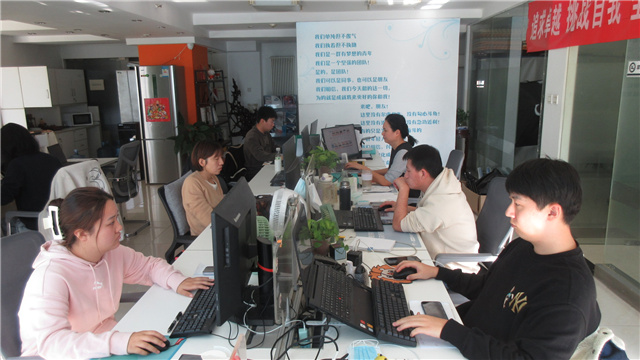
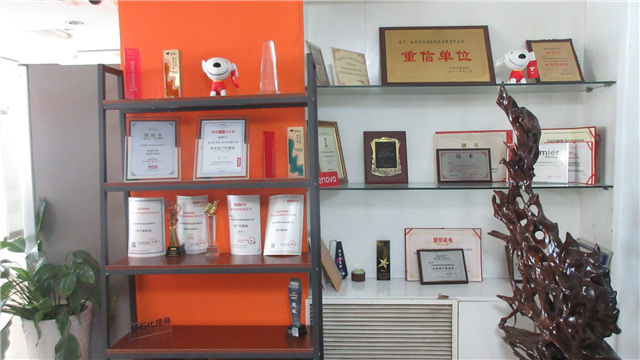
Since our registration on 2003-07-10, we have committed to manufacturing and supplying reliable, high-performance computing hardware. Serving international markets for over two decades has taught us that enterprise-grade hardware requires thorough quality assurance processes.
We enforce a strict 100% product inspection method. Every server node undergoes component testing, thermal cycling, and continuous hardware-stress testing under simulated workloads before packaging and shipping. Supported by a specialized team of graduate-level R&D engineers, we customize hardware layouts, PCIe trace configurations, and cooling profiles to match your specific workloads.
Explore our full line of rackmount platforms, from budget-friendly SMB systems to multi-GPU AI learning setups.
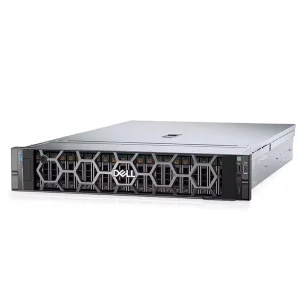
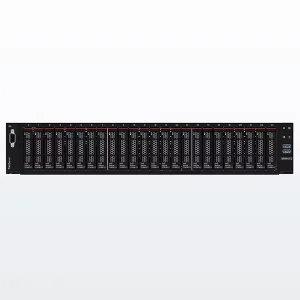
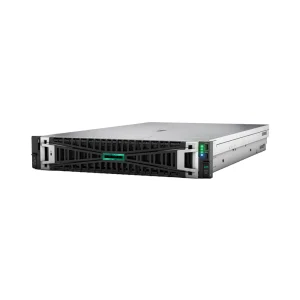
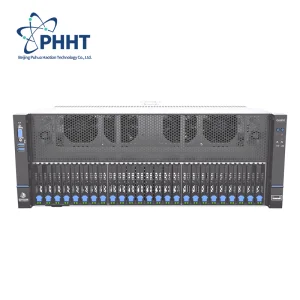
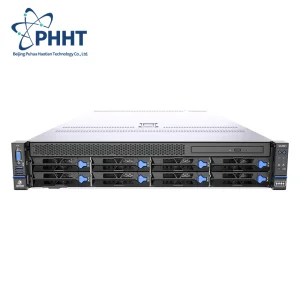
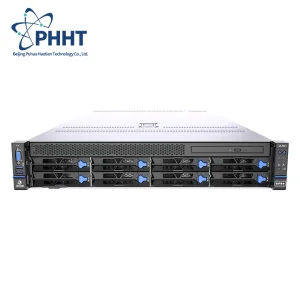
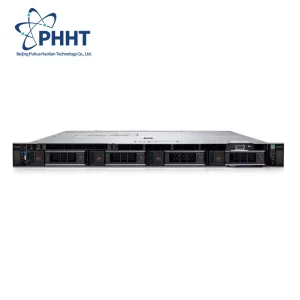
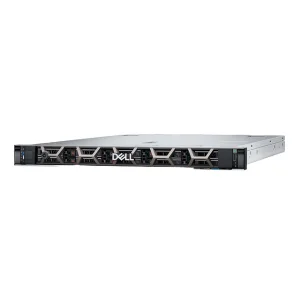
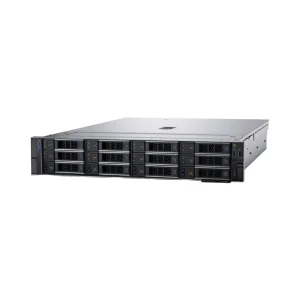
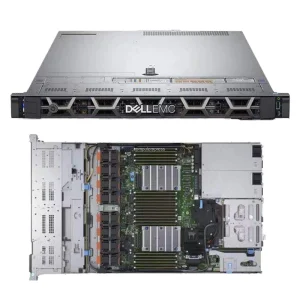
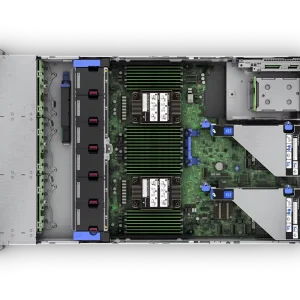
Engineering calculations and airflow requirements for deploying high-power servers in high-altitude environments.
Deploying servers in Calgary (approx. 1,000 meters above sea level) requires adapting to lower air density compared to sea-level data centers. At this altitude, air density decreases by approximately 10% to 12%. Because air is the primary cooling medium in standard configurations, this density reduction lowers the mass flow rate of air passing over hot server components, leading to a corresponding increase in processor temperatures.
To maintain component temperatures within safe operating limits without thermal throttling, operators should consider the following options:
For organizations deploying high-density hardware (such as deep learning nodes with multiple GPUs and high-wattage CPUs), liquid-to-air hybrid cooling or direct-to-chip liquid loops help mitigate these altitude challenges. By transferring heat from hot silicone surfaces to a liquid coolant, you bypass air density limitations and can run your systems continuously at peak performance.
Answers to technical and operational questions regarding server deployment in Western Canada.
 Nexus AI Server